Japan's GDP Dips 0.1% as Consumption and Imports Outweigh a 1.6% Capex Gain
Business investment rose and households pulled back, while economists see only a weak rebound and Tokyo's food tax cut moves through the upper house.
Business investment rose and households pulled back, while economists see only a weak rebound and Tokyo's food tax cut moves through the upper house.
Six weeks after its first increase since 2023, the Warsh-led Fed weighs a pause against September's jump in consumer prices.
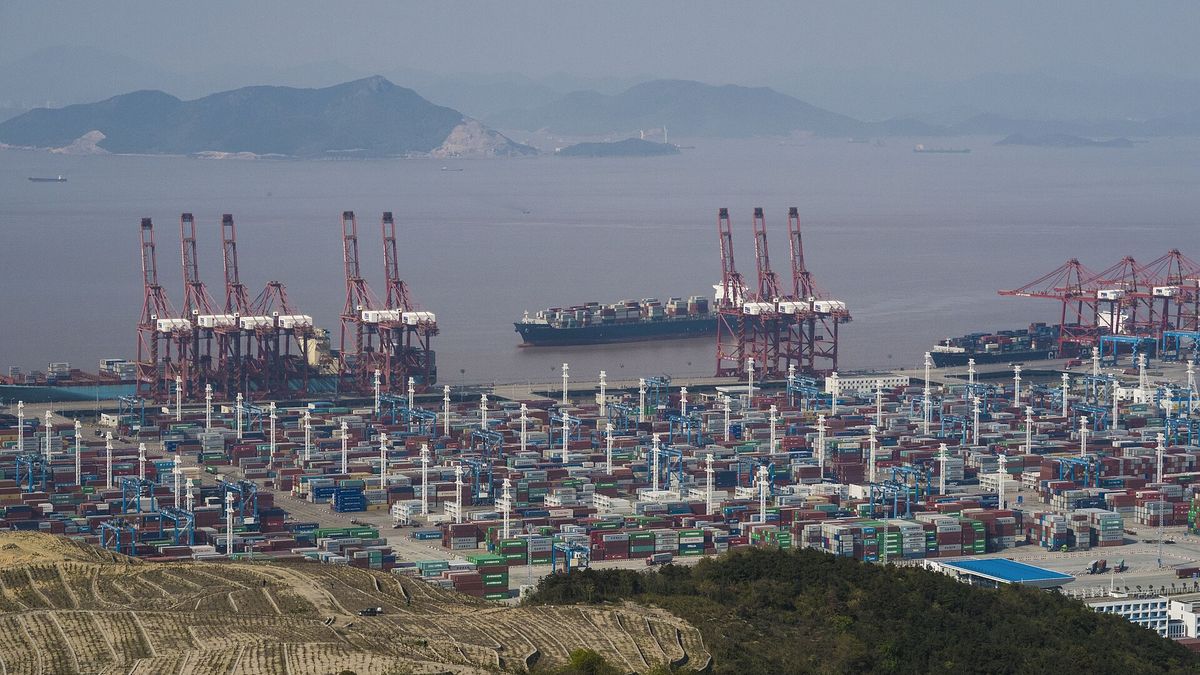
Shipments beat forecasts by more than 10 percentage points, and the annual surplus is on pace to top $1 trillion again.
Headline prices rose 4.3% in the year to September as fuel surged, and bond markets now put the odds of a Nov. 3 rate increase above 80%.
Lisa Cook and Beth Hammack wanted a hike, markets still see one in December, and in 2027 the Fed will set rates at only seven of its eight meetings.
China's central bank now steers money markets with daily one-day loans priced 15 basis points below the old seven-day benchmark, a step analysts call a de facto cut.
From Jakarta to Tokyo, policymakers have raised rates or tightened currency settings this year. China is the main exception.
The Cleveland Fed chief, a dissenter at last week's hold, wants policy to turn restrictive in smaller, more frequent steps. Richmond's Barkin struck a similar note.
Three chip bills headed for the annual defense bill, including one requiring location tracking, gained momentum after the allegations. Nvidia's China business was already small, and Beijing calls the spy claims a smear.
Bangkok says the two sides have agreed the main terms of a reciprocal trade pact, but the statement names no tariff rate and the binding agreement is still to come.
A national security finding keeps duties on the table for Asian robot and machine-tool exporters, but the White House chose negotiations first.
Washington's intellectual property investigation could add duties on top of a 12.5% tariff, with manufacturers and rights holders split on what comes next.
Export orders and imports both contracted as holiday demand faded, while services stalled at 50 and construction orders sank to 40.
Capital formation jumped 26.36% as chip-equipment imports climbed, marking Taiwan's fourth straight quarter of double-digit growth.
Government consumption jumped 8.95% and construction grew 6.42% as Jakarta's priority programs lifted output, while household spending held near 5%.
Final October surveys show Taiwan, Japan and South Korea cooling while Indonesia, Thailand and Malaysia speed up, and China holds at 52.