South Korea's Economy Grows 1% in Third Quarter, Triple the Bank of Korea's Forecast
Chip exports and equipment spending drove the expansion, putting full-year growth on course to beat the central bank's 3.3% call.
What to know
- South Korea's real GDP rose 1% in the third quarter from the previous quarter, against a Bank of Korea projection of 0.3%.
- Facility investment jumped 4.1% and exports rose 2.3%, while private consumption fell 0.2%.
- Output in the first nine months was 3.6% above a year earlier, already above the central bank's 3.3% full-year forecast.
SEOUL
South Korea's economy expanded 1% in the July-to-September quarter from the previous three months, according to an advance estimate released by the Bank of Korea on Tuesday. That is more than three times the 0.3% pace the central bank had projected for the period in August.
The figure also beat the 0.7% median forecast in a Reuters poll of 16 economists, as reported by EconoTimes ahead of the release. Growth picked up from 0.6% in the second quarter, with semiconductor exports and spending on chipmaking equipment carrying the economy while households pulled back.
Compared with a year earlier, output rose 3.4%, slowing from 3.7% in the April-to-June quarter, Yonhap reported in The Korea Herald.
For investors, the data show the Korean economy running well ahead of official projections. That strengthens the case for a sizable upgrade to the central bank's outlook next month and keeps further rate increases on the table.
Chips and equipment did the heavy lifting
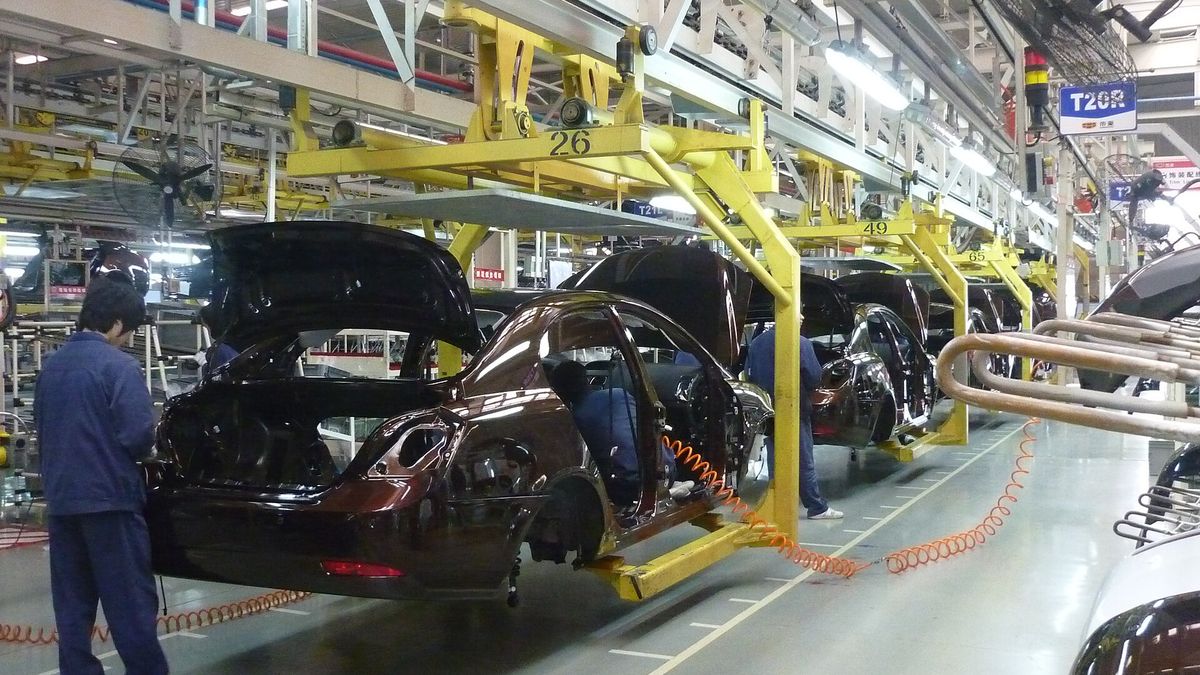
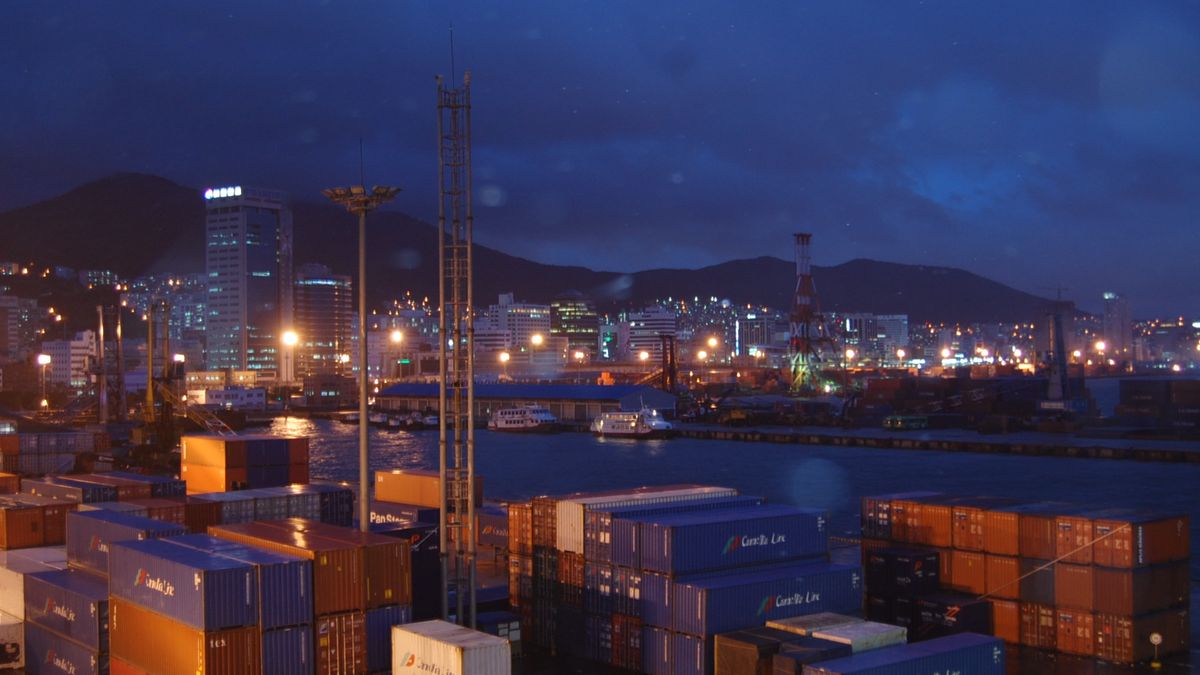
Exports rose 2.3% on the quarter, led by semiconductors, machinery and electrical equipment, The Korea Times reported. Imports grew 2.4%, driven by crude oil and chip manufacturing tools.
Facility investment jumped 4.1%, much of it machinery for semiconductor production. Investment in intellectual property products, such as research and software, climbed 2.3%. Government spending increased 1.9% and construction investment edged up 0.7%, according to the Yonhap report.
The Korea JoongAng Daily, citing the central bank, said exports contributed 1.1 percentage points to growth and domestic demand 0.9 point, and that semiconductors accounted for roughly half of the quarter's expansion. After subtracting imports, net exports added 0.1 point, Yonhap reported.
Private consumption was the weak spot, slipping 0.2% as spending on both goods and services fell. The central bank linked part of the decline to auto industry strikes that delayed car deliveries and to lower stock trading volumes, which cut spending on financial services.
Full-year forecast looks too low
The path this year has been uneven. The economy shrank 0.1% in the final quarter of 2025, then grew 1.8% in the first quarter of 2026, its strongest quarterly pace since the third quarter of 2020, before slowing in the spring. Growth for all of 2025 was 1%.
According to calculations reported by the Korea JoongAng Daily, output in the first nine months was 3.6% higher than a year earlier, already above the bank's August forecast of 3.3% for the full year. Even with no growth in the fourth quarter, the annual figure would come in at 3.6%, and quarterly growth of 1.4% or more would push it to 4%, the newspaper said.
The central bank is due to publish new projections next month, and The Korea Herald said the stronger-than-expected quarter could prompt it to raise its 3.3% forecast. When the bank held its base rate at 3% on Oct. 22, after two consecutive increases, it signaled that growth in 2026 and 2027 would come in considerably above its August forecasts of 3.3% and 2.9%, EconoTimes reported.
National income has grown even faster than output. Real gross domestic income, which adjusts for changes in export prices relative to import prices, rose 18.8% from a year earlier, the largest gain since the fourth quarter of 1977, as chip prices climbed and import costs eased.
Rate path in focus
The strong reading arrives as the bank weighs whether its two recent rate increases are enough. Governor Shin Hyun-song has said core inflation next year will probably exceed the bank's August forecast of 2.5%, and that “we need to maintain our current restrictive monetary policy stance,” according to the Korea JoongAng Daily. The newspaper said the odds of another increase before year-end have risen, as export growth and rising incomes could add to demand-driven price pressure.
Some economists had flagged the gap between exports and the domestic economy before the release. The central bank said on Oct. 22 that the chip boom's gains might not fully reach domestic demand, according to EconoTimes, which cited Reuters reporting that high borrowing costs and household debt were weighing on consumption.
The next markers are the bank's November forecast round and its preliminary estimate for the third quarter, which can revise Tuesday's advance figures. In September, the preliminary reading for the second quarter confirmed the 0.6% advance estimate while making small changes to construction, intellectual property investment and government consumption.
Sources
- The Korea Herald (Yonhap): S. Korea's GDP expands 1% in Q3 on strong exports, investment: BOK (Oct. 27, 2026)
- Korea JoongAng Daily: Korea's economy posts surprise 1% growth in Q3 propelled by semiconductor exports (Oct. 27, 2026)
- The Korea Times: [BREAKING] Korea's economy grows 1% in Q3 on chip exports, beating forecasts (Oct. 27, 2026)
- EconoTimes: South Korea's Q3 GDP Growth Seen at 0.7% as Chip Exports Surge (Oct. 23, 2026)
- The Korea Herald (Yonhap): S. Korea's nominal GDP grows at fastest pace in 47 years in Q2 (Sept. 8, 2026)
Our standards: Capital Times reports under the principles set out in our Editorial Standards and Ethics Policy. Spotted an error? Report it to our editors.