Samsung's Second Texas Fab Fully Booked by AMD, Nvidia for HBM Base Dies, Report Says
The 2-nanometer plant in Taylor would make the logic layer under high-bandwidth memory, with tools arriving in 2029, a Korean newspaper reported, as Samsung and SK Hynix lock in multiyear orders.
What to know
- Maeil Business Newspaper reported that Samsung's second Taylor, Texas plant has orders for its entire output, mostly from AMD, with Nvidia also a customer.
- The 2-nanometer plant covers about 2.7 million square feet, with equipment due from February 2029 and mass production in 2030, according to the report.
- Samsung expects 2026 capital spending of about 84.4 trillion won, while SK hynix has signed long-term supply agreements with 14 customers.
SEOUL
Samsung Electronics will use a second chip plant in Taylor, Texas, to make base dies for the high-bandwidth memory sold to AMD and Nvidia, and the factory's entire output is already spoken for before formal construction starts this month, Maeil Business Newspaper reported Tuesday, citing industry sources. Most of the booked volume belongs to AMD, the paper said.
Samsung declined to comment, according to Reuters, which said it could not confirm the report. If accurate, it would give Samsung a U.S. production base for a part of the AI memory supply chain that has become a bottleneck, and a second anchor for a Texas campus that until now has leaned on a single large customer, Tesla. For investors in Seoul, a confirmed order book would also suggest that Samsung's heavy spending is being matched to signed demand.
What the Taylor plant would make
The base die is the logic chip at the bottom of an HBM stack. Samsung said in its third-quarter results on Oct. 29 that its foundry business improved "on HBM base-die sales growth" alongside wins with 2-nanometer customers, including major cloud companies.
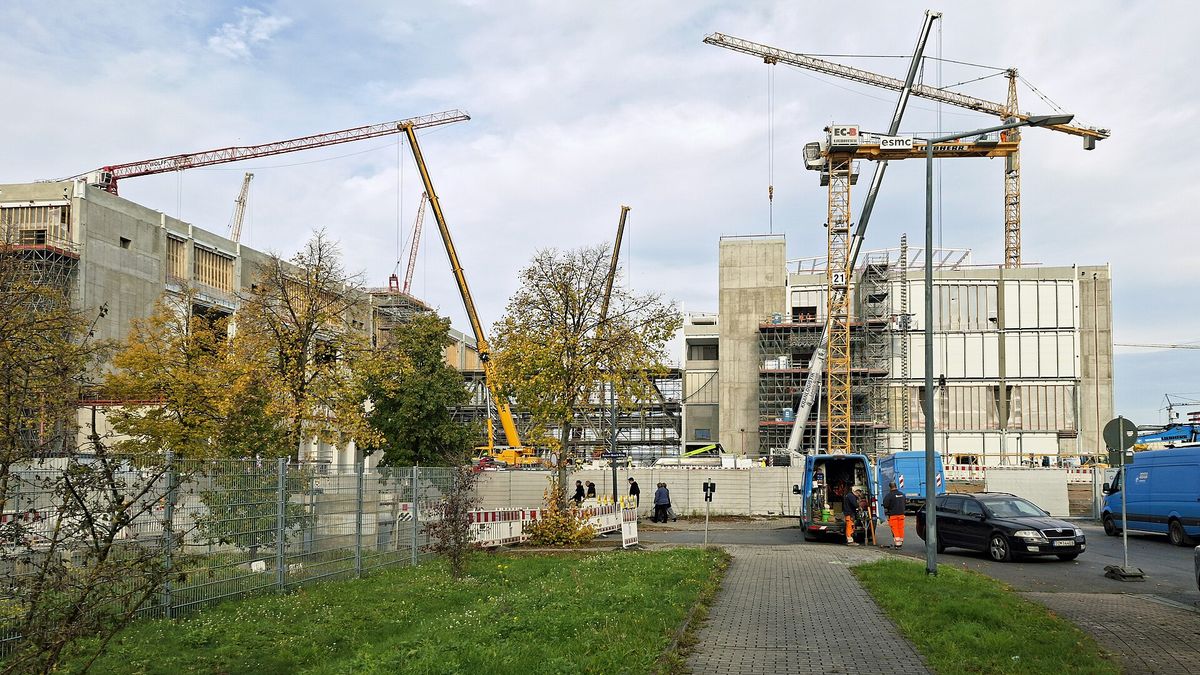
According to the Maeil report, as relayed by Reuters, the new plant will use 2-nanometer technology and cover about 2.7 million square feet, roughly 1.5 times the size of the first Taylor facility. TrendForce, in its March report on the planned fab, put both plants at about 2.7 million square feet. Equipment installation is expected from February 2029, with mass production in 2030. If the report is accurate, the orders would have no bearing on near-term earnings but would lock in a customer base for spending that will run through the end of the decade.
Samsung's planned investment in the site has grown from $17 billion to $37 billion, a figure that includes $4.75 billion in U.S. CHIPS Act subsidies, TrendForce reported in March. Tesla is its anchor customer under a $16.5 billion contract for AI5 and AI6 chips, and the first fab is scheduled to begin mass production in 2027, TrendForce said. The company owns 1,268 acres in Taylor, enough for up to 10 fabs, TrendForce said.
Long contracts and bigger budgets
The Texas report follows a week in which both of Korea's memory makers told investors they are selling future output years in advance. Samsung said on its Oct. 29 earnings call that it had signed long-term agreements with 10 customers and was negotiating with 10 more, Korea JoongAng Daily reported. It aims to place 60% to 70% of its total capacity under such contracts by 2030, and said volumes requested in extension talks far exceeded its expectations.
SK hynix went further on its Oct. 28 call. It said it had signed long-term agreements with 14 customers, including large cloud operators, usually for five years, and had secured more than half of its 2027 and 2028 capacity that way. Counting deals still under negotiation, its DRAM and HBM output is effectively sold out through 2029, according to JoongAng Daily. The company said it will speed up construction at its Yongin cluster in Gyeonggi province and its M17 plant in Cheongju, opening clean rooms in phases. Its record quarter is covered in our report on SK Hynix's 83 trillion won operating profit.
The contracts are not fixed-price. SK hynix said its agreements reflect market price changes within a range agreed with customers, which leaves both sides exposed to swings but caps the extremes.
Samsung's budget is rising to match. It expects 2026 capital expenditure of about 84.4 trillion won, including 76.8 trillion won for its Device Solutions chip division, after spending 29 trillion won in the third quarter alone, up 19.8 trillion won from a year earlier. The company said it expects AI infrastructure spending to reach a historic level in 2027 and AI-driven memory demand to far exceed industry supply.
Why investors remain cautious
More spending does not translate cleanly into more chips. Samsung told analysts it expects capital spending to rise significantly in 2027 but that this may not lift bit output in 2028, and it plans to secure building space first and add tools in line with demand. Park Jun-young, an analyst at Hanwha Investment & Securities, told JoongAng Daily that “higher investment no longer directly translates to higher output.”
Shareholders have also been waiting on payouts. Samsung said the plan for its remaining 2026 return funds will be settled at a board meeting in late January 2027, a delay that weighed on the stock after its third-quarter results. At Friday's close, Samsung shares were 39.9% below their 52-week intraday high and SK hynix shares 52.5% below theirs, JoongAng Daily reported.
The next concrete marker for Taylor is the start of formal construction on the second plant, which the Maeil report put in November. Tools are not due to arrive until February 2029, according to the same report, and Samsung has not confirmed either date.
Sources
- Reuters (via The Star): Samsung to make AMD, Nvidia chip parts at second Texas plant, Maeil Business reports (Nov. 3, 2026)
- The Next Web: Samsung to make AMD and Nvidia HBM parts at second Texas fab, report says (Nov. 3, 2026)
- Samsung Electronics Newsroom: Samsung Electronics Announces Third Quarter 2026 Results (Oct. 29, 2026)
- Korea JoongAng Daily: Samsung, SK hynix build long-term order pipelines on back of continued AI chip demand (Nov. 2, 2026)
- TrendForce: Samsung Reportedly to Build a New Wafer Fab in the U.S. (March 25, 2026)
Our standards: Capital Times reports under the principles set out in our Editorial Standards and Ethics Policy. Spotted an error? Report it to our editors.