China-ASEAN Free Trade Upgrade Takes Effect Dec. 1, Adding Rules but No New Tariff Cuts
Leaders in Manila set the start date for the ACFTA 3.0 protocol, which covers digital trade, green industry, standards and supply chains rather than tariffs.
What to know
- China and ASEAN leaders announced in Manila on Nov. 16 that the ACFTA 3.0 Upgrade Protocol will enter into force on Dec. 1, 2026, according to China's Commerce Ministry.
- The ministry said the protocol does not directly involve new market access preferences; it adds chapters on the digital economy, green economy, standards, supply chain connectivity and customs procedures.
- Premier Li Qiang told the summit that China-ASEAN trade rose 29.6% in the first 10 months of this year and that cumulative two-way investment has passed $500 billion.
HONG KONG
The upgraded free trade agreement between China and the Association of Southeast Asian Nations will take effect on Dec. 1, after leaders meeting in Manila on Monday, Nov. 16, set the start date for the ACFTA 3.0 Upgrade Protocol, China's Ministry of Commerce said.
For companies that move goods between Chinese factories and Southeast Asian plants, the date matters less for tariffs than for paperwork. The ministry said in a question-and-answer release on Monday that the protocol "does not directly involve" new market access preferences. Its value lies in rules: common standards, digital customs documents and a supply chain chapter that the two sides have never had before in a trade agreement.
The announcement came at the 29th China-ASEAN Summit, held at the Philippine International Convention Center and co-chaired by Philippine President Ferdinand Marcos Jr. and Chinese Premier Li Qiang, according to the Daily Tribune. The China-Global South Project, a research and news site, also reported the Dec. 1 start.
What the ACFTA 3.0 protocol changes
The free trade area has been built in layers. Version 1.0 was fully in place by 2010, with zero tariffs on more than 90% of goods overall, according to the ministry. A 2.0 upgrade signed in 2015 and fully in force from 2019 widened access for services and investment. Talks on 3.0 began in November 2022, closed in May 2025 and produced a protocol signed in October 2025.
The new layer reaches behind the border. On the digital side, the ministry said the two sides will work on single-window customs systems, electronic invoices, electronic payments and electronic bills of lading, and will cooperate on artificial intelligence. It described these as the most advanced digital trade rules either side has agreed in its existing trade pacts.
The standards chapter may prove the most practical for manufacturers. When no international standard exists, each side can consider the other's standard as a reference when drafting its own, the ministry said. The text also encourages recognition of each other's conformity assessment results, so a product tested in one market may not need to be tested again in the next. New energy vehicles and electrical and electronic goods are named as priority areas, and the ministry said cutting duplicate testing and certification costs can help a product's competitiveness more than a tariff preference does.
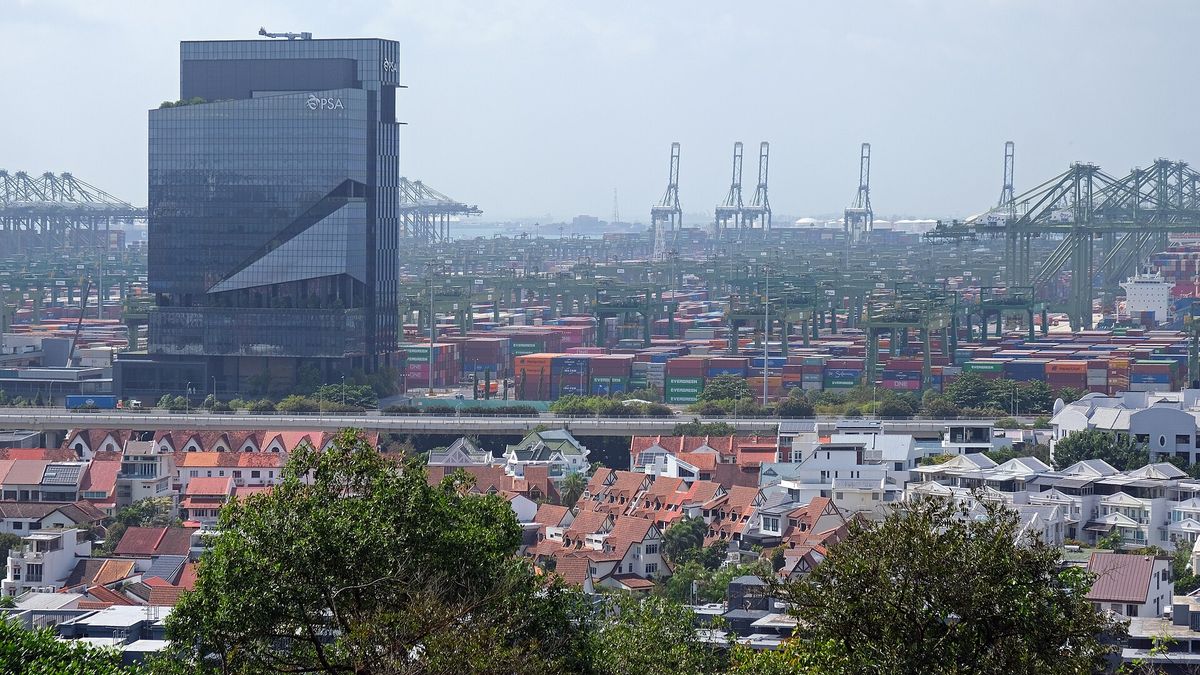
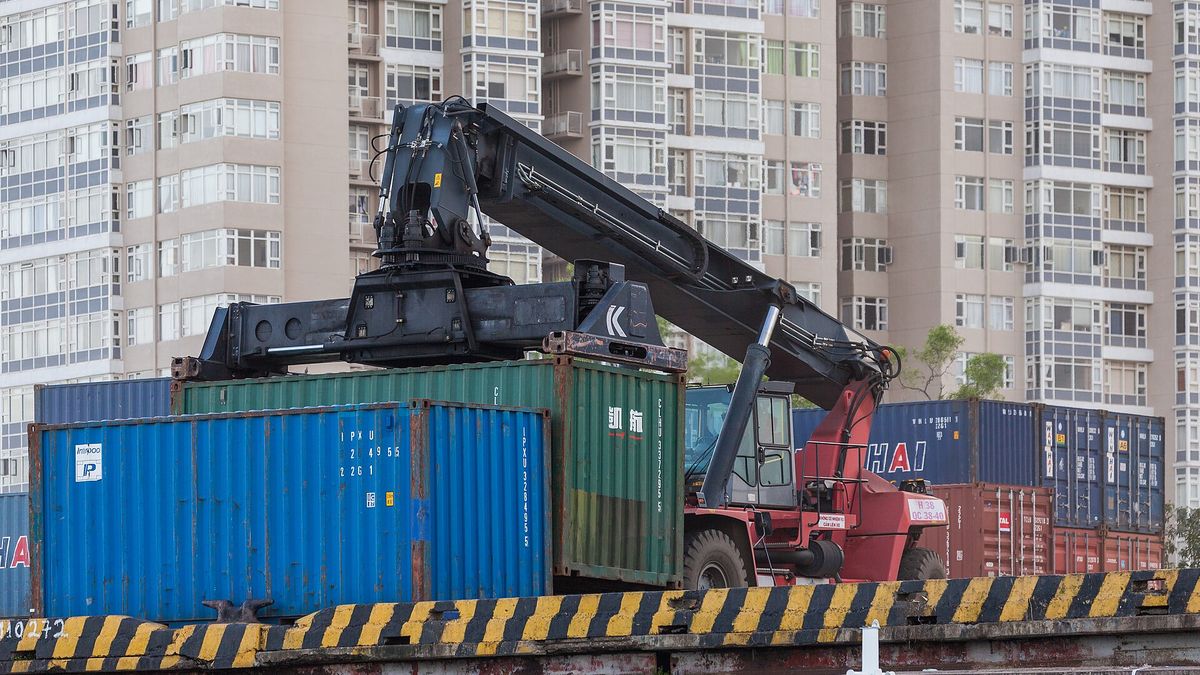
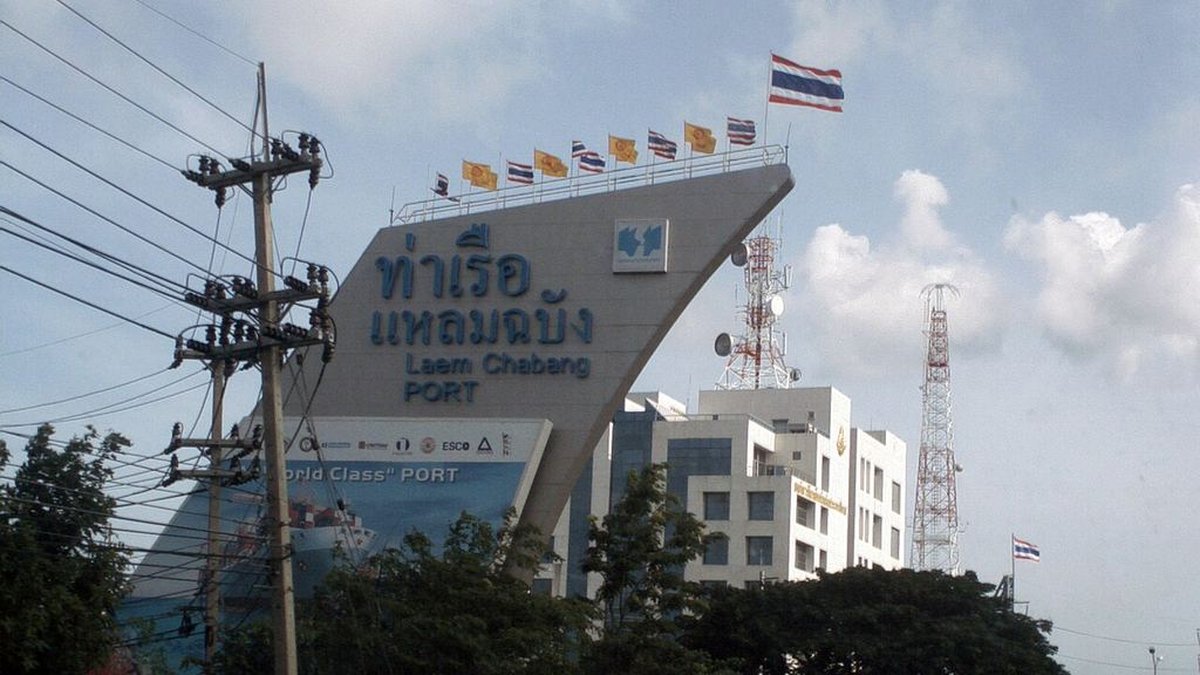
A green economy chapter sets eight priority areas, from green trade and investment to sustainable finance and green standards, with new energy vehicles and solar products named for further work. The supply chain chapter commits both sides to promote the free flow of key goods and services and to ease logistics bottlenecks at ports. Other chapters cover customs procedures, competition and consumer protection, small businesses and sanitary rules for food and plant products.
China and ASEAN plan to set up subcommittees under the free trade area's joint committee for digital trade, green economy, standards and small businesses, and to hold further consultations on the digital economy and AI, the ministry said. Chinese and English texts of the protocol are posted on the China FTA Network for companies to study.
Trade figures from the Manila summit
Li gave the summit fresh numbers. China-ASEAN trade rose 29.6% in the first 10 months of this year, he said, according to the text of his remarks published by China's Foreign Ministry. Two-way trade passed $1 trillion last year, and cumulative two-way investment has exceeded $500 billion, up more than 50% over five years.
The ministry said 2025 trade, which topped $1 trillion, had grown 18-fold since 2002, when the free trade area process began. China has been ASEAN's largest trading partner for 17 years running, and ASEAN has been China's largest partner for six. For a broader view of China's export surge this autumn, see our report on China's October exports and its $1 trillion surplus.
Li said China would work with ASEAN to host a Year of AI Cooperation next year and would explore aligning with ASEAN's own Digital Economy Framework Agreement. He also said a China-ASEAN Digital Academy would offer 100 full scholarships to ASEAN countries next year, and he welcomed a new China-ASEAN energy cooperation partnership. The China-Global South Project reported that Li called on the bloc to "stand united, ward off interference, and work together."
Marcos told the summit that the upgrade protocol and a 2026 to 2030 plan of action would create more opportunities for Filipino exporters, investors and small businesses looking for wider regional markets, according to the Daily Tribune. ASEAN and China "continue to find common ground," he said.
Why investors should read the fine print
The absence of new tariff cuts means the upgrade will not, by itself, reshape where factories go. More than 90% of goods already move duty-free under the earlier versions. What changes is the cost of compliance. A Chinese battery or electric vehicle maker with assembly in Southeast Asia, or an ASEAN electronics supplier selling into China, stands to gain most if conformity assessment is in fact mutually recognised and customs documents move electronically.
Much depends on implementation. The standards language encourages rather than requires mutual recognition, and the subcommittees that will turn the chapters into working rules have not yet been formed. The ministry also said a review of certain provisions is planned under a future work programme written into the protocol.
The next date to watch is Dec. 1, when the protocol takes effect. After that, the first meetings of the new subcommittees on digital trade and standards will show how quickly the rules reach customs offices and testing labs.
Sources
- Ministry of Commerce of the People's Republic of China: 商务部国际司负责人就中国-东盟自贸区3.0版升级议定书生效实施答记者问 (Commerce Ministry official answers questions on the entry into force of the China-ASEAN FTA 3.0 Upgrade Protocol) (Nov. 16, 2026)
- China FTA Network, Ministry of Commerce: 中国-东盟自贸区3.0版升级议定书将于2026年12月1日正式生效实施 (China-ASEAN FTA 3.0 Upgrade Protocol to take effect Dec. 1, 2026) (Nov. 16, 2026)
- Ministry of Foreign Affairs of the People's Republic of China: Remarks by H.E. Li Qiang Premier of the State Council of the People's Republic of China at the 29th China-ASEAN Summit (Nov. 16, 2026)
- The China-Global South Project: Li Qiang Pitches ASEAN on Free Trade as South China Sea Code Stalls (Nov. 16, 2026)
- Daily Tribune: Phl, China deepen trade ties (Nov. 17, 2026)
Our standards: Capital Times reports under the principles set out in our Editorial Standards and Ethics Policy. Spotted an error? Report it to our editors.