China October Exports Jump 35.2%, Imports Surge 41.6% as Surplus Tops $1 Trillion
AI hardware kept shipments growing at close to September's pace, while an unexpected import surge narrowed the monthly surplus.
What to know
- China's exports rose 35.2% from a year earlier in October to $412.33 billion, ahead of a 33.5% Reuters poll forecast.
- Imports grew 41.6%, against expectations of 32%, narrowing the monthly surplus from September.
- China's trade surplus for the first 10 months reached $1.04 trillion, passing $1 trillion a month earlier than in 2025.
HONG KONG
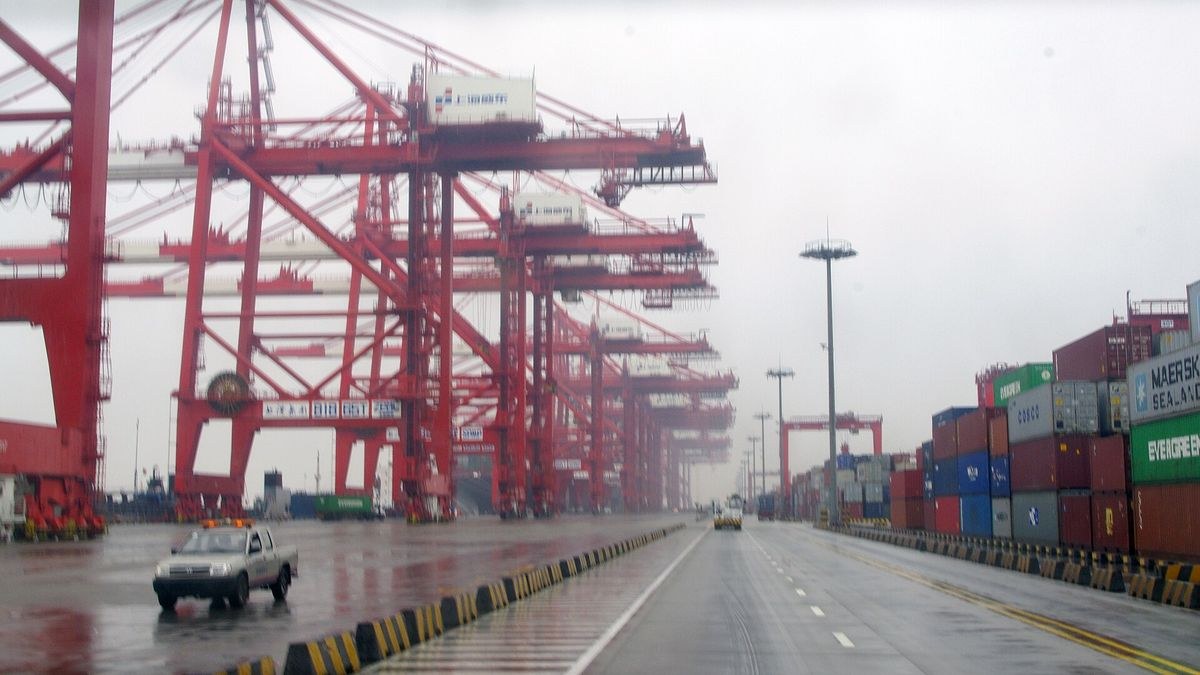
China's exports rose 35.2% from a year earlier in October to $412.33 billion, customs data showed on Tuesday, while imports jumped 41.6%, lifting the country's trade surplus for the first 10 months of 2026 to $1.04 trillion.
Both figures beat forecasts. Economists polled by Reuters had expected export growth of 33.5% and import growth of 32%, and a separate poll by data provider Wind had put export growth at 33.25%, according to the South China Morning Post. For investors in Asia, the export number is the one that matters most: it suggests demand for Chinese-made AI hardware held up through October, after a selloff in U.S. AI stocks last week raised doubts about the pace of data center spending. That offers some support to Asian technology and supply-chain stocks, analysts have noted.
China's exports stay close to September's pace
October's export growth was only slightly slower than the 36.3% rise in September, which Capital Times reported last month. Economists have pointed to printed circuit boards, memory chips and optical transceivers as the main drivers of this year's surge in outbound shipments, according to investingLive.
The SCMP said trade momentum stayed strong even as the yuan strengthened, a move that normally makes Chinese goods more expensive abroad. It also cited a rebound in demand as relations between Beijing and Washington improved.
The surplus passed $1 trillion for a second year in a row and did so a month earlier than in 2025, Reuters reported. Its size has drawn growing scrutiny from Western governments.
Macquarie analysts expect China's exports to speed up further in the fourth quarter and then begin to slow from the first quarter of 2027. "The outlook for exports depends on how long the AI boom will last," they wrote, according to Reuters.
Some shipments may also be pulled forward. The European Union has reached an agreement with Beijing to limit Chinese exports of hybrid vehicles to the bloc over the next few years, and because those measures have not yet taken effect, factories are expected to front-load deliveries, Reuters said.
An import surge narrows the October surplus
The bigger surprise came on the other side of the ledger. Import growth accelerated from 31% in September to 41.6%, and the stronger import bill narrowed the monthly surplus. That was well below the roughly $126 billion economists had forecast and down from about $134 billion in September.
The headline release did not explain the jump. Higher prices for crude oil and other commodities would raise the value of China's purchases, and inbound chips and components for assembly would also add to the total, analysts have noted. A fuller customs breakdown, due later, should show how much reflects prices rather than volumes.
Oil is part of the picture. Crude imports fell 13.3% from a year earlier but reached their highest monthly level since March, Reuters reported, as buyers sought supplies after the war involving Iran disrupted flows from the Middle East.
For commodity exporters, including Australia, a lasting rise in Chinese import demand would be welcome news. Without the detailed data, it is too early to say whether October reflects firmer domestic demand or a higher energy bill.
US-China trade surplus and the Shenzhen summit
China's surplus with the United States edged down to $32.71 billion in October from $34.01 billion in September, according to Reuters.
The data arrived a day after Beijing formally announced a two-month extension of its trade truce with Washington, which had been due to expire on Nov. 10. China said last week that expanding purchases of U.S. farm goods would depend on implementation of the reciprocal tariff-reduction arrangement the two sides proposed after a September summit in Washington, Reuters reported. That proposal is a $60 billion package of tariff cuts, including roughly $17 billion of U.S. farm goods. Capital Times covered the farm purchase dispute last week.
Trade friction is unlikely to fade. "The risk of additional tariffs and other trade barriers will remain elevated in 2027," said Joe Peissel, lead macroeconomist at Trivium China, according to Reuters. He tied that risk to Chinese manufacturers' continued expansion abroad.
Exports also matter more for Beijing because demand at home is weak. Household spending remains subdued, held back by a property downturn that has eroded wealth and confidence, which leaves the economy more exposed if global demand slows.
President Xi Jinping and President Donald Trump are expected to meet next week at the Asia-Pacific Economic Cooperation summit in Shenzhen, their third meeting this year. The detailed customs tables on October imports will show whether the import jump came from oil prices or from stronger buying of chips and raw materials.
Sources
- The Standard (Reuters): China's trade surplus soars past $1 trillion as AI boom powers exports
- South China Morning Post: China's imports outpace exports in October amid efforts to address record imbalance
Our standards: Capital Times reports under the principles set out in our Editorial Standards and Ethics Policy. Spotted an error? Report it to our editors.