Asia's Currencies Close October Mixed as Rupee Gains About 1% and Yuan Hits 4-Year High
With the Fed and the Bank of Japan both on hold, central bank defenses, export dollars and oil decided which currencies won the month.
With the Fed and the Bank of Japan both on hold, central bank defenses, export dollars and oil decided which currencies won the month.
September inflation of 4.3% pushed hike odds to 88%, but a softer jobs report and a hike already largely priced in have kept the Aussie from breaking higher.
A softer dollar, a stable sovereign outlook and higher export forecasts lifted the baht off its weakest levels since July, but the central bank is warning about jobs and spending at home.
The currency weakened again in Monday morning trade after a brief Friday rebound, leaving Bank Indonesia to weigh a hold at 5.75% against calls for a hike.
The currency gave back its early-November gains as Thailand reported 2.9% growth and the central bank readied rules on cash gold trades and baht stablecoins.
Export booms have lifted the won and yuan to multi-year highs, while costly oil keeps the rupiah near a record low and the rupee under pressure.
A shrinking yield advantage over U.S. Treasuries and bets that the RBA has finished hiking sent the Aussie down 0.8% last week, ahead of minutes, wage and jobs data.
The peso lost about 67 centavos over the week as bets on a December Fed hike lifted the dollar, while weak demand at a central bank bill auction pushed short-term yields higher.
Fed hike bets erased the currency's gains since Bank Negara's Nov. 5 decision, leaving third-quarter GDP and exporter dollar sales as the main domestic supports this week.
The kiwi has slid since the RBNZ's surprise 4-3 hold at 2.75% in October, and economists are split on how fast rates must now rise.
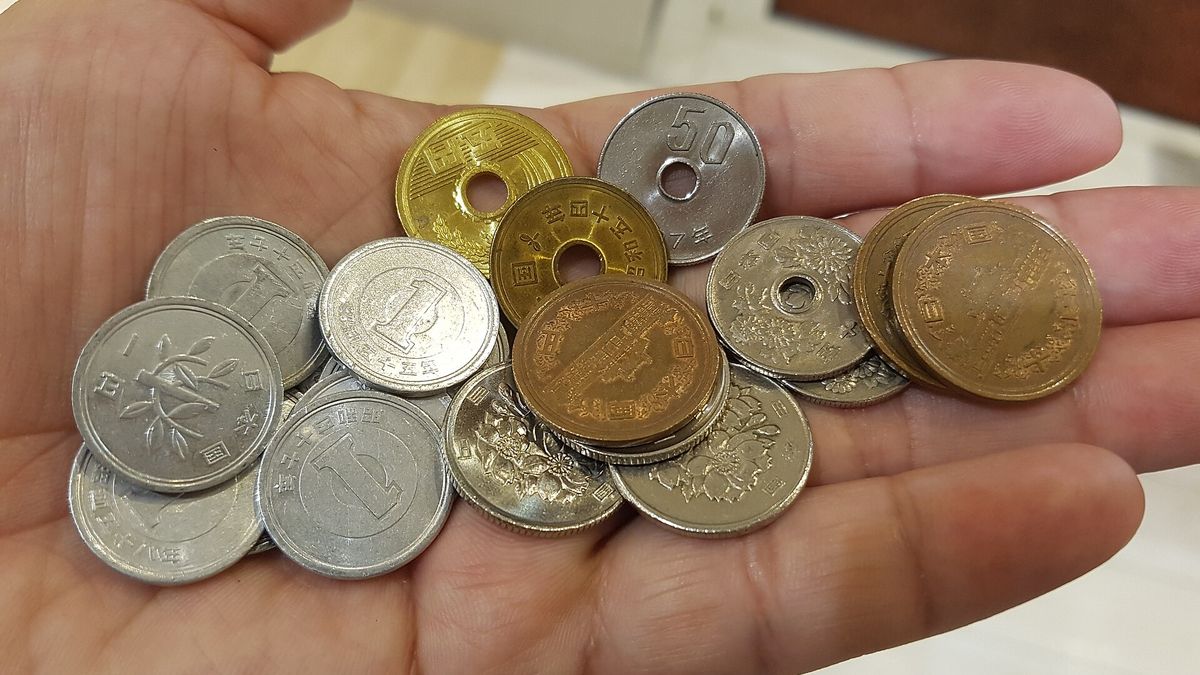
The Bank of Japan held at 1.25% and the Fed at 3.75% to 4% last week. That spread pays investors to borrow yen, until the yen jumps.
Hot U.S. inflation and hawkish Fed officials lifted the greenback to a 19-month high last week. Warsh, retail sales and the Fed's minutes now set the tone for Asia.
The currency has sat just inside the weak end of its band since mid-October as a Hibor discount to U.S. rates keeps the carry trade alive.
The dollar climbed back to its Nov. 4 level at Vietcombank, the free-market rate briefly topped 26,100 dong, and SJC gold bars fell to a 13-month low.
MAS data show the currency lost about 0.5% to a resurgent greenback last week while firming against the euro, pound, yen and baht, a split that matters more to policymakers than the dollar rate alone.
Offshore funds sold a net 5.4 billion rupees of Sri Lankan government bonds in the week to Nov. 12, EconomyNext reported. The currency is down about 6.8% this year.
Draft notifications would bar transfers to other people's wallets and ban liquidity providers for stablecoin-baht pairs, with comments open until late November.
A single memorandum signed on Nov. 13 replaces the 2023 bilateral deals and brings the peso into the regional framework for settling trade and investment without dollars.
Tokyo has stayed out of the market since its record summer operation, leaving 27 trillion yen of yen buying this year and reserves of US$1.18 trillion.
The yen rallied in Tokyo while stocks and Treasury yields fell, then weakened again in London and New York and hit a one-month low against the euro.
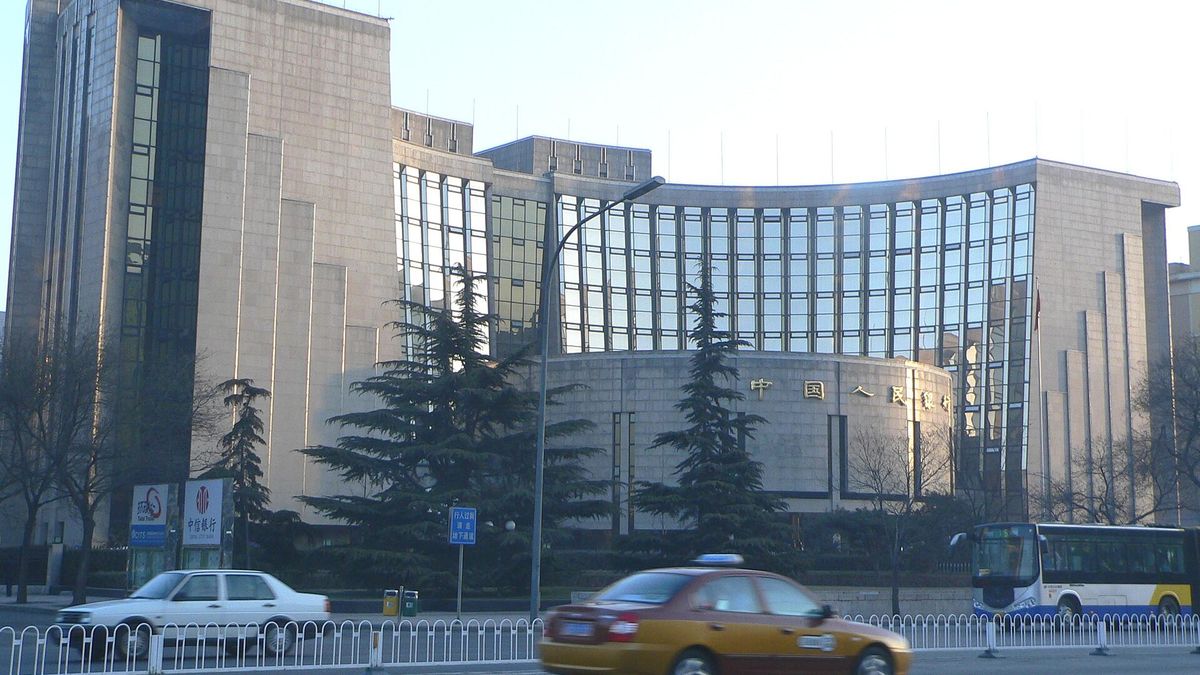
China's central bank will lock up about US$24 billion from Nov. 15 and set three weaker daily fixings in a row, cooling a rally of about 5% this year.
The rupee touched a two-week high as the dollar slid after the U.S. midterms, but strategists still expect oil and outflows to drag it lower.
A record US$61.46 billion September current account surplus failed to lift the currency as chip shares tumbled after the U.S. midterm elections.
An 8-1 vote, with one member pushing for a half-point move, gave sterling only a brief lift as traders had already priced the increase.
The currency barely reacted to Monday's GDP miss. Warnings from Finance Minister Satsuki Katayama and a drop in Tokyo stocks did more to steady it.
The PBOC kept its daily fixings weaker than models expected all week, but seasonal corporate dollar sales still lifted the yuan against a basket of trading partners' currencies.
Record oil-driven imports pushed the goods deficit to a one-year high, but RBI data show deposit inflows have rebuilt the currency's cushion, and foreign equity buyers have returned.
A 10% weekly rebound in the Taiex did little for the currency, which closed the week weaker as the central bank's reserves sat below US$600 billion after intervention.
Exporters' dollar sales lifted the won to a 15-day high on Thursday, but an oil spike and renewed foreign selling of Seoul shares pulled it back on Friday.
The latest reserve figures from New Delhi, Taipei and Manila show which central banks are still selling dollars, and how much of the recent good news comes from gold prices.
Foreign inflows lifted the rupee and the won firmed despite heavy foreign stock selling in Seoul on Monday, even as Fed hike bets pushed the dollar index to its strongest level since April 2025.