Brazilian Stocks Plunge 13.7% and the Real Slides After Lula Wins Runoff
Investors had bet on a Bolsonaro victory after the first round. Lula's narrow comeback reversed that trade and put Brazil's debt back in focus.
What to know
- Brazil's Ibovespa closed down 13.7% at 176,906 on Oct. 26 after Lula won the runoff with 51.8% of valid votes.
- The real fell as far as 5.60 per U.S. dollar before trimming losses to about 5.44, according to Trading Economics.
- Brazil's National Treasury canceled fixed-rate and inflation-linked bond auctions scheduled for this week.
SAO PAULO
Brazilian assets sold off heavily on Monday after President Luiz Inácio Lula da Silva narrowly won Sunday's presidential runoff, unwinding a rally that had been built on expectations his challenger would take office.
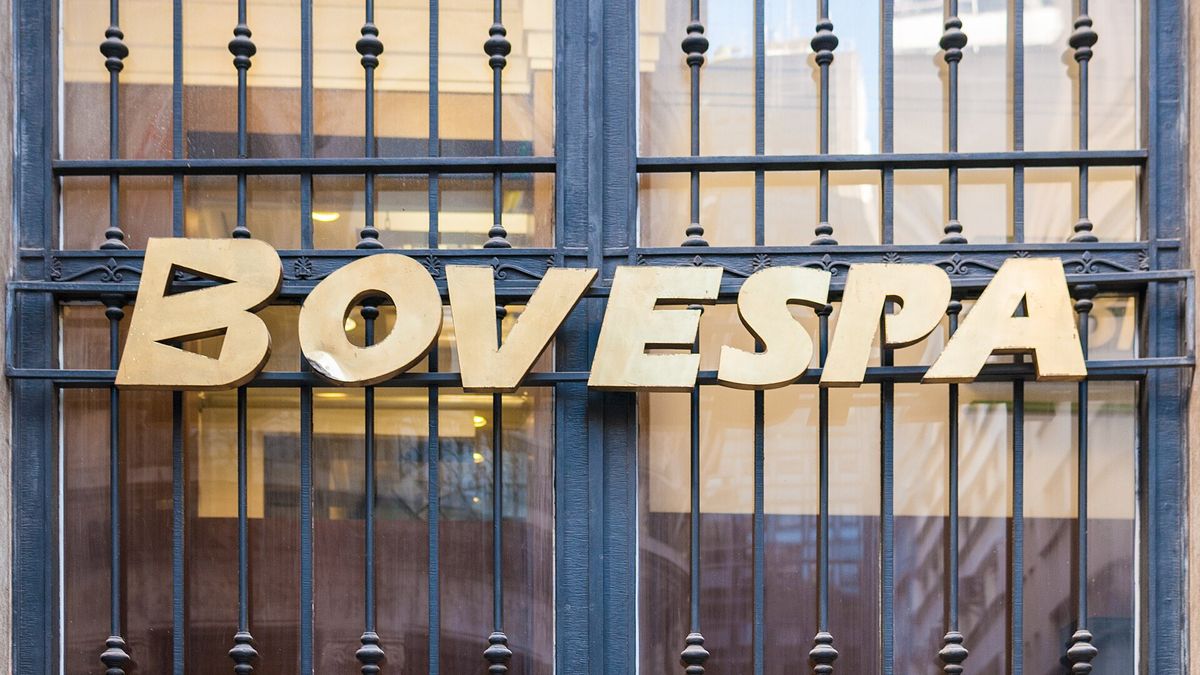
The benchmark Ibovespa index closed down 13.7% at 176,906 points, according to Trading Economics. The session opened late after the B3 exchange triggered a circuit breaker, and the index at one point fell more than 16%, to below 172,000.
The real dropped as far as 5.60 per U.S. dollar, close to its weakest level since mid-2025, before recovering to around 5.44, Trading Economics reported. The currency had traded near 5.045 on Oct. 23, two days before the vote.
For investors in Asia who hold Brazilian stocks and bonds through emerging-market funds, the swing shows how much of a single election outcome had been priced in over the past three weeks.
A Reversal After the First Round
Lula took 51.8% of valid votes to 48.2% for Sen. Flávio Bolsonaro, according to Trading Economics. He is the first candidate since Brazil restored direct presidential elections in 1989 to win a runoff after finishing second in the first round, the data provider noted.
That first round, held Oct. 4, had gone the other way. Bolsonaro, a son of former President Jair Bolsonaro, won 47.03% of valid votes to Lula's 45.16%, outperforming the average of polls tracked by Goldman Sachs by more than four percentage points, Trading Economics reported.
Markets responded quickly. The Ibovespa rose as much as 8% the next day, to above 208,000 points, MercoPress reported, while the real strengthened to below 5 per dollar, according to Trading Economics. J.P. Morgan upgraded Brazilian equities to overweight, citing a more favorable political outlook, according to Argentine newspaper El Economista.
Investors viewed Bolsonaro as more likely to cut spending, which could let Brazil's high interest rates come down, MercoPress reported. “The market wants change, it wants reforms, it doesn't want a large public deficit,” Pedro Galdi, an analyst at AGF Investments, said at the time, according to MercoPress.
The race tightened through October. A Datafolha survey released shortly before the runoff showed the two candidates tied at 50% of valid votes each, according to Trading Economics.
Banks Lead the Selloff
Monday's losses were heaviest among lenders. Banco do Brasil dropped 27.3%, Bradesco fell 21.2% and Itaú lost 13.2%, while Petrobras declined 8.5%, Trading Economics reported.
A few stocks moved the other way. Mining company Vale gained 4.5% ahead of its quarterly results, and WEG rose 5.1% after announcing plans to buy a business from L&S Electric, according to Trading Economics.
The government's debt managers also stepped back. Brazil's National Treasury canceled auctions of fixed-rate and inflation-linked bonds scheduled for Tuesday and Thursday, keeping only Tuesday's sale of securities tied to the Selic policy rate, Trading Economics reported.
Bolsonaro called for the result to be annulled, according to Trading Economics, which also reported that Brazil's Superior Electoral Court has confirmed the outcome.
Fiscal Questions Return
The market's main worry is the state of public finances. Brazil's gross public debt has risen by more than 10 percentage points during Lula's current term, to 82.5% of gross domestic product, and the nominal budget deficit stands at 9.3% of GDP, El Economista reported after the first round.
Trading Economics said investors are reassessing persistent primary deficits and a public debt load above 82% of GDP, and that worries about debt sustainability have already lifted borrowing costs. It also noted that Lula will face the most right-wing Congress of Brazil's democratic era.
During the campaign, Lula was reported to be considering naming Vice President Geraldo Alckmin as finance minister, a move El Economista said was aimed at shoring up fiscal credibility and winning over centrist voters. Alckmin, a two-term governor of São Paulo, ran the development and trade ministry until early this year, which made him a key point of contact with Washington after the U.S. put tariffs on Brazilian goods, the newspaper reported.
Inflation offers policymakers some relief. Brazil's mid-October inflation reading came in at 4.62%, below the 4.74% that markets had expected, according to Trading Economics.
Investors will now watch for the makeup of Lula's economic team, any early statements on spending, and when the Treasury returns to selling fixed-rate debt. Those signals are likely to decide whether Monday's drop deepens or begins to reverse.
Sources
- Trading Economics: Brazilian Stocks Close Lower Amid Election Uncertainty (Oct. 19, 2026)
- Trading Economics: Brazilian Real Strengthens on Election Runoff Polls (Oct. 9, 2026)
- Trading Economics: Brazilian Real Surges After Bolsonaro Leads First Round (Oct. 5, 2026)
- MercoPress: São Paulo stocks jump 8% and the real firms after Bolsonaro's first-round win (Oct. 5, 2026)
- El Economista (Argentina): Mientras el mercado celebra el triunfo de Bolsonaro, Lula apuesta por Alckmin para recuperar terreno (Oct. 5, 2026)
Our standards: Capital Times reports under the principles set out in our Editorial Standards and Ethics Policy. Spotted an error? Report it to our editors.