Asia's Currencies Close October Mixed as Rupee Gains About 1% and Yuan Hits 4-Year High
With the Fed and the Bank of Japan both on hold, central bank defenses, export dollars and oil decided which currencies won the month.
What to know
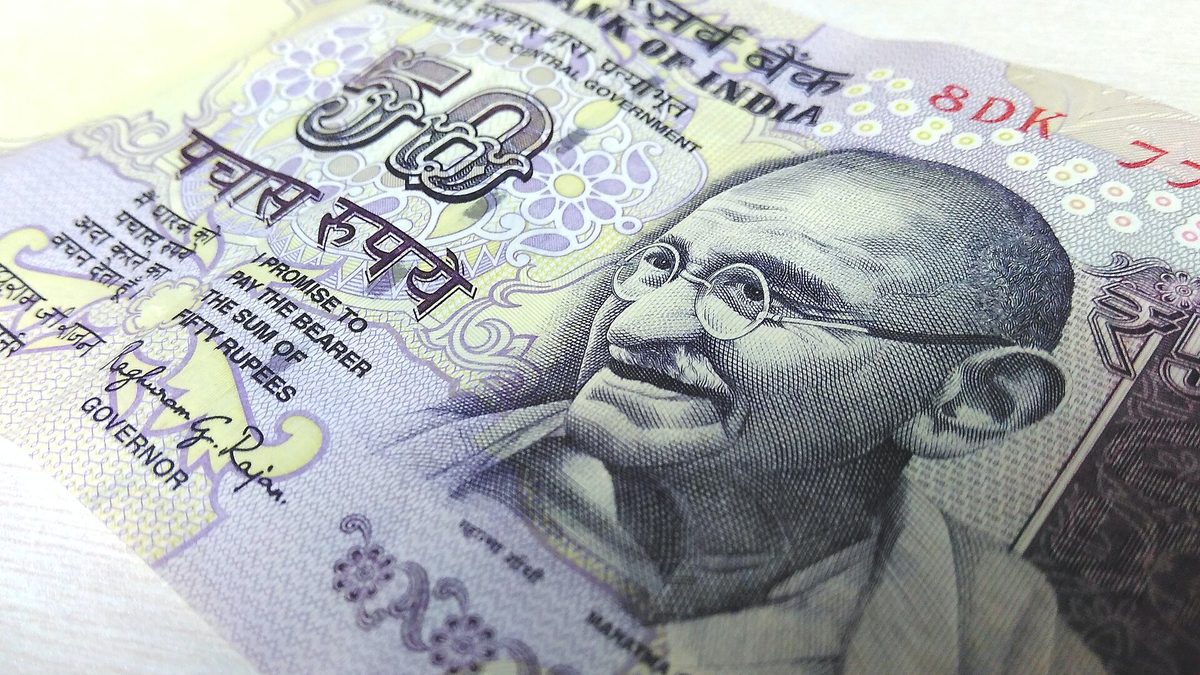
- The Indian rupee closed at 94.95 per dollar on Oct. 30 and rose about 1% in October, its best month since February, Reuters reported.
- In Asian trade on Friday the yuan reached 6.659 per dollar, its strongest since June 2022, and the won rose to 1,332.51, both headed for a fourth straight monthly gain.
- The yen rose to as high as 157.115 per dollar in Asian trade after the Bank of Japan held its rate at 1.25%, putting it on track to end October broadly flat.
HONG KONG
India's rupee posted its best month since February, and China's yuan and South Korea's won headed for a fourth straight monthly gain, as Asian currencies closed out an October in which both the U.S. Federal Reserve and the Bank of Japan left rates unchanged. The rupee ended Friday at 94.95 per dollar, up about 1% for the month, Reuters reported.
The month's lesson for investors in Asia is that local forces did more than Washington to sort the region's currencies. The dollar index was headed for only a 0.3% gain in October, according to Reuters. Central bank measures in India, export receipts in China and Korea and an October rally of about 11.5% in Brent crude did the rest, while Indonesia's rupiah stayed near record lows.
Rupee, Yuan and Won Lead the Region
The rupee's gain followed a run of support steps from the Reserve Bank of India. Earlier in October, the central bank began steering state oil companies' dollar purchases away from the spot market and tightened hedging rules while the rupee traded near its record low of 96.96 per dollar, set in May, Reuters reported. The RBI also raised its policy rate in October for the first time in nearly four years.
Those steps, along with RBI intervention, helped the rupee beat most Asian peers in October, according to Reuters. Analysts at Goldman Sachs said healthier capital flows and the RBI's toolkit should keep the currency in a range, even if higher oil prices strain the current account.
The yuan's climb came from exporters. Companies converting dollar earnings and stepping up hedging, traders said, pushed the spot rate to 6.659 per dollar in early Friday trade, its strongest since June 6, 2022, Reuters reported. The currency was up 0.7% in October and 5.0% this year. The People's Bank of China set its daily midpoint at 6.7138, its strongest fixing since February 2023, and OCBC analysts said the steady rise in the fixing suggests policymakers have little wish to reverse the trend, though the pace may slow.
The won rose to 1,332.51 per dollar in Asian trade on Friday, recovering further from a slide of more than 7% in the first half, Reuters reported. It gained about 13% in the third quarter, its sharpest quarterly rise since late 1998. Bank of Korea board member Hwang Kunil linked the won's recent gains to dollar inflows from AI-driven demand for memory chips made by SK Hynix and Samsung Electronics. Hwang told Reuters, “The pace of the recent move has been somewhat faster than expected.” He said this year's current account surplus could be revised up to nearly $500 billion.
Malaysia's ringgit touched 4.046 per dollar in Asian trade on Friday, its strongest since Sept. 8, according to Reuters, and was quoted at 4.0555 at 6 p.m. in Kuala Lumpur, Bernama reported. Bank Muamalat Malaysia chief economist Mohd Afzanizam Abdul Rashid said traders were rethinking the odds of a Fed hike. In Taipei, the U.S. dollar closed at its session low of NT$32.478, the Central News Agency reported, even as Taiwan's benchmark stock index fell 2.5%, according to Reuters.
Yen Heads for Flat Month After the Bank of Japan Holds
The yen was headed for a flat October. The Fed held its target range at 3.75% to 4% on Oct. 28 in a 10-2 vote, and traders pared bets on 2027 hikes after Chair Kevin Warsh's news conference, Reuters reported. The dollar stood at 157.755 yen in Asian trade on Thursday.
On Friday the Bank of Japan kept its policy rate at 1.25% in an 8-1 vote and raised its inflation forecast. The yen strengthened to as high as 157.115 per dollar in Asian trade after the decision, erasing most of its October losses and leaving it on track to end the month broadly flat, according to Reuters.
Inflation data released hours earlier kept a December move in view. Consumer prices in Tokyo's 23 wards excluding fresh food rose 2.6% from a year earlier in October, down from 2.7% in September, Japan's Statistics Bureau said. Headline inflation quickened to 2.8% from 2.7%, while prices excluding fresh food and energy slowed to 2.6% from 2.9%. Before the decision, markets were pricing in about an 80% chance of a December hike, Reuters reported.
The dollar slipped on Friday as a fresh selloff in AI shares drove investors into Treasuries, pushing the 10-year yield to about 4.90%, its lowest in more than a month. OCBC strategist Sim Moh Siong said the move differed from a typical energy-driven risk-off episode because U.S. yields fell and the dollar softened instead of rallying.
Rupiah Stays Near Record Lows as Oil Climbs
Indonesia was the month's clear loser. Its benchmark stock index was down 18% for October, on course for its worst month in nearly two decades, after MSCI warned it could downgrade the market, and the rupiah lingered near the record lows it hit in early June, Reuters reported. Indonesian bond yields were near six-year highs.
Oil compounded the pressure on importers. Brent crude was headed for an 11.5% gain in October, its fourth straight monthly rise and longest winning streak in more than two years, Reuters reported, after climbing as high as $117.84 a barrel as Yemen's Houthis stepped up attacks on Saudi Arabia. Nikkei Asia reported on Oct. 27 that worries about AI overinvestment and costly oil were weighing on several Asian currencies, with central bank defenses helping the rupee and won hold up.
ANZ's head of Asia research, Khoon Goh, told Reuters he sees the week's string of central bank holds as a temporary pause in a global tightening cycle that will keep driving currency markets.
The Bank of Japan publishes a summary of opinions from its October meeting on Nov. 10, and its board meets again on Dec. 17-18.
Sources
- Reuters (via Business Recorder): Indian rupee posts best month in eight on RBI measures to curb dollar demand (Oct. 30, 2026)
- Reuters (via Business Recorder): China's yuan hits over 4-year high, set for fourth monthly gain (Oct. 30, 2026)
- Reuters (via Business Recorder): India rupee to benefit from dollar retreat, plunging US yields; oil surge tempers impact (Oct. 30, 2026)
- Reuters (via The Star): Indonesian shares head for worst month in 18 years, AI retreat hits Korea, Taiwan (Oct. 30, 2026)
- Bernama (via The Star): Ringgit extends rally against US dollar as traders reassess Fed rate hike prospects (Oct. 30, 2026)
- Reuters (via WHBL): Yen gains after BOJ, AI jitters drive Treasury rally, weigh on dollar (Oct. 30, 2026)
- Reuters (via WHBL): Euro steady before ECB decision, dollar holds ground as Fed stands pat (Oct. 29, 2026)
- Reuters (via WHBL): Exclusive-Bank of Korea board member says won moves faster than expected (Oct. 29, 2026)
- Statistics Bureau of Japan: 2025-base Consumer Price Index, Ku-area of Tokyo, October 2026 (preliminary) (Oct. 30, 2026)
- The Japan Times: Tokyo inflation exceeds BOJ's 2% target before rate decision (Oct. 30, 2026)
- Bank of Japan: Statement on Monetary Policy (Oct. 30, 2026)
- Reuters (via Business Recorder): Yen steady before BOJ, AI jitters drive Treasury rally, weigh on dollar (Oct. 30, 2026)
- Bank of Japan: Monetary Policy Meetings (Oct. 30, 2026)
- Focus Taiwan (CNA): U.S. dollar closes lower on Taipei forex market (Oct. 30, 2026)
- Nikkei Asia: AI and oil worries rattle Asian currencies from Taiwan to Philippines (Oct. 27, 2026)
Our standards: Capital Times reports under the principles set out in our Editorial Standards and Ethics Policy. Spotted an error? Report it to our editors.