Malaysia's Budget 2027 Lifts Tax Relief to RM12,000, Cuts Rates for Middle Earners
Tax on RM100,000 of chargeable income would fall RM840 a year from 2027, while a 30% top rate from RM1 million could add RM18,300 to the biggest bills.
What to know
- Malaysia plans to raise individual income tax relief to RM12,000 from RM9,000 from the 2027 year of assessment, the first change since 2010.
- Rates fall to 18% on chargeable income of RM70,001 to RM100,000 and to 24% on RM100,001 to RM150,000; with the higher relief, tax on RM100,000 of chargeable income drops RM840.
- The 30% top rate will apply to chargeable income above RM1 million instead of RM2 million, adding up to RM18,300 a year to a top earner's tax, Vialto Partners estimates.
KUALA LUMPUR
Malaysia plans to raise the basic income tax relief for individuals to RM12,000 from RM9,000 and cut rates for middle earners from the 2027 year of assessment, while extending its 30% top rate to all chargeable income above RM1 million, according to the Budget 2027 tax measures published by the Ministry of Finance.
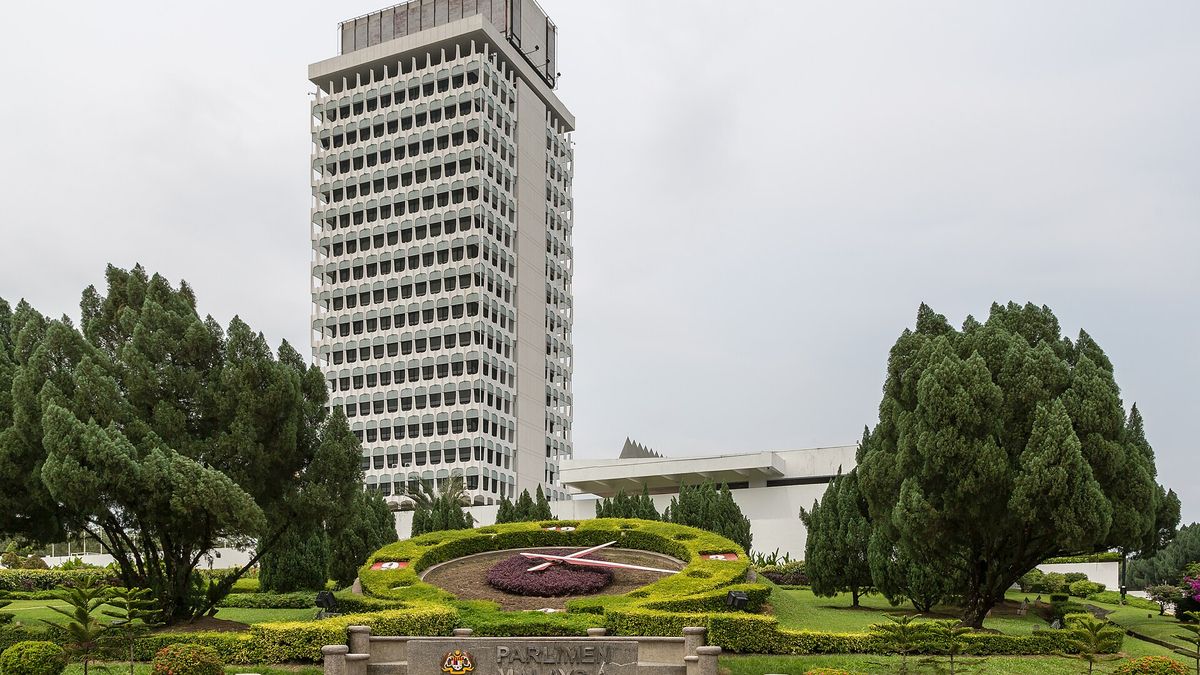
Prime Minister Anwar Ibrahim, who is also finance minister, announced the changes when he tabled the budget in Parliament on Oct. 9. He told lawmakers the higher relief and lower rates would give about 5 million taxpayers up to RM1,600 in additional disposable income. The basic relief last changed in the 2010 year of assessment, when it rose to RM9,000 from RM8,000, the ministry's document shows.
For companies across the region with staff in Malaysia, payroll calculations may need updating, and tax-equalized senior executives with taxable income above RM1 million may cost more, mobility tax adviser Vialto Partners said in an Oct. 12 alert.
The tax cuts sit alongside cash aid and about RM40 billion of fuel subsidies, OCBC said, in a year when higher energy costs have lifted prices across Asia and pushed several central banks to tighten.
How Malaysia's New Income Tax Bands Work
Bands up to RM70,000 of chargeable income stay at rates from 0% to 11%. Above that, four changes would take effect from the 2027 year of assessment, covering income earned in 2027 and later, as Malay Mail noted:
- The rate on chargeable income of RM70,001 to RM100,000 falls to 18% from 19%.
- A new band of RM100,001 to RM150,000 is taxed at 24%, down from 25%. Income from RM150,001 to RM400,000 stays at 25%.
- The 28% band, now RM600,001 to RM2 million, will end at RM1 million.
- Income above RM1 million is taxed at 30%, a rate that today applies only above RM2 million.
Because chargeable income is measured after reliefs, the bigger relief, which Malay Mail said is given automatically, also removes RM3,000 from every resident taxpayer's taxed income.
Steve Chia, tax leader at PwC Malaysia, said in comments carried by Bernama that the relief goes mainly to middle-income earners and small businesses. “I welcome the progressive design of these measures,” he said.
Worked Examples: Who Saves and Who Pays More
The examples use chargeable income, which is income after all reliefs, not gross salary. Each starts from chargeable income under current rules, then applies the extra RM3,000 of relief and the new rates, with nothing else changed.
A taxpayer with RM70,000 of chargeable income gains only from the bigger relief, because the rate cuts start above that level. Taking RM3,000 out of the 11% band saves RM330, Vialto estimated.
At RM100,000, chargeable income falls to RM97,000 and the slice above RM70,000 is taxed at 18%. Tax drops to RM8,560 from RM9,400 by Capital Times' calculation using the ministry's rate tables, a saving of RM840 that matches the estimates of Malay Mail, Deloitte and Vialto. The rate cut alone would save RM300 at that level, Malay Mail calculated. At RM150,000, the saving rises to RM1,520, Malay Mail and Deloitte said.
The largest gain, RM1,640, slightly more than the RM1,600 cited in the speech, goes to people with current chargeable income between about RM603,000 and RM1,003,000, according to Vialto. They receive the full RM800 benefit of the two rate cuts plus RM840 from RM3,000 of relief at a 28% marginal rate.
Above RM1 million the higher top rate starts to eat into that gain. Vialto put the break-even point at about RM1,085,000 of chargeable income. A taxpayer with RM1.5 million of chargeable income would pay RM8,300 more, and one with RM2 million or more would pay RM18,300 more, after counting the bigger relief, Vialto estimated. Malay Mail's figure of RM19,200 more at RM2 million counts the rate change alone, before the bigger relief, while Deloitte said affected taxpayers could pay up to RM20,000 more, depending on income.
Wider Reliefs, First Homes and Payroll Steps
The budget also widens what counts toward several existing reliefs, mostly without raising their caps. Medical relief is renamed health and well-being relief and keeps its RM10,000 limit, adding postnatal care at a confinement center or by a qualified individual up to RM3,000 and absorbing the separate RM1,000 relief for breastfeeding equipment.
The existing RM8,000 relief for parents' and grandparents' care will cover all types of care at home, in day care or in residential centers, not only medical care. A doctor's verification will no longer be needed, though claims still require receipts and a carer's written declaration or work permit copy.
Education relief keeps its RM7,000 cap but covers recognized courses in any field at local institutions, with up to RM3,000 for technical and vocational training and up to RM2,000 for courses unrelated to work or for children's classes in STEM subjects, arts, languages and religion. The RM2,500 lifestyle relief adds AI software subscriptions, pet adoption from registered shelters and veterinary vaccination or neutering. Because that cap is unchanged, the new items compete with books, devices and internet bills already in it. Sports relief adds sports shoes up to RM300 within its RM1,000 limit, and the RM1,000 tourism relief is extended for 2027.
First-time buyers also gain. Malaysian citizens buying a first home priced up to RM750,000 would get a full stamp duty exemption on loan agreements and transfer documents for the first RM500,000 of the price and half on the rest, for sale agreements signed from Jan. 1, 2027, to Dec. 31, 2030. Homes up to RM500,000 stay fully exempt, extending a break that now ends in December 2027.
Spending in the new categories counts only from the 2027 year of assessment. Employers may need to update monthly tax deductions for the higher relief, Vialto said, while employees who want other reliefs reflected in those deductions may need to file Form TP1 and keep supporting documents.
The tax changes remain proposals until Parliament passes them. The Dewan Rakyat approved the Supply Bill at the policy stage on Oct. 29, and the committee stage is scheduled to run from Nov. 2 to 26, Bernama reported.
This article is general information, not financial advice.
Sources
- Ministry of Finance Malaysia: Tax Measures Budget 2027 (Oct. 9, 2026)
- Ministry of Finance Malaysia: Budget Speech 2027 (Oct. 9, 2026)
- Bernama: Budget 2027: Individual Tax Relief Raised To RM12,000 - PM Anwar (Oct. 9, 2026)
- Bernama: Budget 2027 Channels Savings Back To Rakyat, Businesses While Maintaining Fiscal Discipline - PwC Malaysia (Oct. 9, 2026)
- Malay Mail: Budget 2027: How much tax could Malaysians save under the proposed new rates? We did the maths for you (Oct. 16, 2026)
- The Star: Budget 2027: Good news for M40, tax relief increased to RM12,000 (Oct. 9, 2026)
- Vialto Partners: Malaysia | Global Mobility Tax | Budget 2027 (Oct. 12, 2026)
- Bernama: Budget 2027 Passes Policy Stage, Concluding Fourth Week Of Dewan Rakyat Session (Oct. 30, 2026)
- Deloitte Southeast Asia: Malaysia Budget 2027 Snapshot (Oct. 9, 2026)
- OCBC Global Markets Research: Malaysia: Budget 2027 review (Oct. 9, 2026)
Our standards: Capital Times reports under the principles set out in our Editorial Standards and Ethics Policy. Spotted an error? Report it to our editors.