Singapore Homeowners Weigh 2027 Property Tax Bills After Rebates of Up to 20%
Two one-off rebates cushioned rising annual values in 2025 and 2026. Here is how owner-occupier rates work before the next bills land.
What to know
- Singapore's 2026 rebate was 15% for owner-occupied HDB flats and 10%, capped at S$500, for private homes, down from 20% and 15% (capped at S$1,000) in 2025.
- Owner-occupier rates run from 0% on the first S$12,000 of annual value to 32% on annual value above S$140,000, under bands in force since Jan. 1, 2025.
- Both rebates were described as one-off, and the Ministry of Finance has not said whether 2027 bills will carry another.
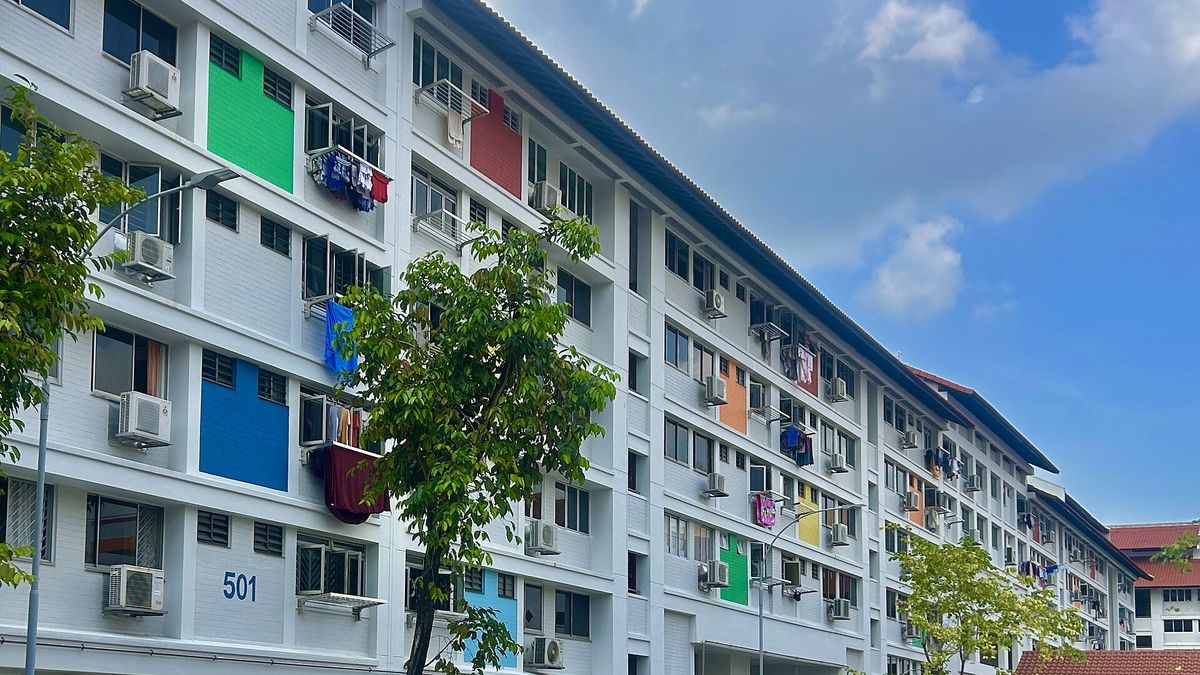
Singapore homeowners who live in their own flats have had two years of help with property tax: a one-off rebate of 20% for owner-occupied HDB flats in 2025, and 15% in 2026. Both were labeled one-off, and the Ministry of Finance has not said whether the 2027 bills will carry a third.
The question matters for household budgets because the tax follows rents, not purchase prices. The Inland Revenue Authority of Singapore (IRAS) taxes a home on its annual value, which it describes as the estimated rent the property could fetch in a year if it were let out. When rents climbed, annual values rose with them, and the rebates were the government's way of softening the bills.
How the 2025 and 2026 rebates worked
The 2025 package, announced by IRAS on Nov. 29, 2024, gave owner-occupied HDB flats a 20% rebate and owner-occupied private homes 15%, capped at S$1,000. IRAS said the relief, together with higher tax bands, would lower 2025 bills for all owner-occupied HDB flats and more than 90% of owner-occupied private homes. It tied the change to "significant increases in residential AVs over the last two years."
The 2026 round, announced by the Ministry of Finance on Nov. 28, 2025, was smaller. Owner-occupied HDB flats got 15% off and private homes 10%, capped at S$500. The ministry said that even after the rebate, owners of three-room and larger HDB flats would pay on average S$2 to S$3 more a month. Half of private owner-occupiers would see increases of less than S$6 a month, with bigger rises mostly at higher-value homes. One- and two-room HDB flats continued to pay nothing.
PropertyGuru estimated that without the 2026 rebate, a typical four-room flat's tax could have risen by S$50 to S$80 for the year, against roughly S$24 to S$36 with it. The rebate is deducted automatically, so owners do not need to apply.
Owner-occupier rates and annual values
The rate schedule itself has not changed since Jan. 1, 2025, according to IRAS. The first S$12,000 of annual value is tax-free, up from S$8,000 in 2024, which keeps every one- and two-room HDB flat out of the net. After that the rates climb in steps:
- 4% on annual value from S$12,001 to S$40,000
- 6% from S$40,001 to S$50,000, and 10% from S$50,001 to S$75,000
- 14% from S$75,001 to S$85,000, and 20% from S$85,001 to S$100,000
- 26% from S$100,001 to S$140,000, and 32% above S$140,000
On those bands, a flat with an annual value of S$30,000 would owe S$720 before any rebate. A private condominium valued at S$60,000 would owe S$2,720. A 10% rebate on that condo bill would have been S$272, inside the S$500 cap. Readers in Hong Kong and Jakarta tracking Singapore housing may also find that falling resale prices do not quickly flow into bills: HDB resale prices fell for a third straight quarter, but annual value is set by rents.
The lower rates are not automatic for everyone. IRAS applies them to buyers of new or resale HDB and DBSS flats and new executive condominiums, and to Singapore citizens and permanent residents buying private homes, as long as neither spouse already enjoys the rates elsewhere. A married couple with two homes can claim them on only one.
What can cost owners money
The concession ends when the owner stops living in the home. IRAS says the rates stop from the date a whole property is rented out, and owners who move out should tell the authority through its online service to avoid penalties. Renting out a room while living in the flat does not disqualify an owner. Nor does a temporary overseas work posting, provided the home is not let. A vacant unit between tenancies does not qualify unless the owner has moved back in. Owners who were wrongly charged the higher rate can seek refunds going back five years.
Timing matters too. For 2026, IRAS sent bills from December 2025 by SMS or email for viewing on the myTax Portal, with payment due Jan. 31, 2026 and a 5% penalty for late payers not on GIRO. GIRO allows up to 12 interest-free monthly instalments. From Jan. 1, 2026, a retiree scheme allows 24 months if all owners are 65 or older, the applicant lives in the home and has assessable income of no more than S$39,000.
In each of the past two years, the rebate decision came in late November, just before bills went out. Owners should look at the annual value on their notice, check that the owner-occupier rate is applied, and set up GIRO before the due date printed on the bill.
This article is general information, not financial advice.
Sources
- Ministry of Finance Singapore: Government Will Grant One-Off Property Tax Rebate for All Owner-Occupied Residential Properties in 2026 (Nov. 28, 2025)
- Inland Revenue Authority of Singapore: All owner-occupied HDB flats and over 90% of owner-occupied private residential properties will see lower property tax bills in 2025 (Nov. 29, 2024)
- Inland Revenue Authority of Singapore: Property Tax Rates for Owner-Occupied Residential Properties
- PropertyGuru: Property Tax Rebate 2026
Our standards: Capital Times reports under the principles set out in our Editorial Standards and Ethics Policy. Spotted an error? Report it to our editors.