India's Reserves Rise $2.49 Billion on Gold as Taiwan's Slip Below $600 Billion on Intervention
The latest reserve figures from New Delhi, Taipei and Manila show which central banks are still selling dollars, and how much of the recent good news comes from gold prices.

What to know
- India's foreign exchange reserves rose $2.49 billion to $719.55 billion in the week to Nov. 6, with gold accounting for $2.21 billion of the gain.
- Taiwan's reserves fell $4.31 billion in October to $596.44 billion, the central bank said, and CNA reported that it sold U.S. dollars to steady the Taiwan dollar.
- Philippine gross international reserves dropped to $97.35 billion at end-October, the lowest since December 2022, partly because of BSP currency operations, BusinessWorld reported, citing preliminary central bank data.
HONG KONG
India's foreign exchange reserves rose $2.49 billion to $719.55 billion in the week ended Nov. 6, Reserve Bank of India data released on Friday showed. Reserves had been falling since they hit a record $785.71 billion in early September, according to the Press Trust of India. Almost all of the increase came from gold, not from fresh dollar buying.
That detail matters for anyone reading reserve data as a gauge of intervention across Asia. Gold holdings rose $2.21 billion to $104.80 billion in the week, according to the figures reported by Press Trust of India and IANS. Foreign currency assets, the part of the pile a central bank actually sells when it defends its currency, gained only $232 million to $591.35 billion. In rupee terms the reserves shrank, IANS reported.
Put next to the October figures from Taipei, Manila, Jakarta and Kuala Lumpur, the Indian number fits a pattern. The economies facing heavy foreign portfolio outflows or sliding currencies are still spending. The rest are holding steady or rebuilding, often with help from valuation changes rather than outright purchases.
India: a pause, not a rebuild
India's reserves are still about $66 billion below the September peak. Business Standard, carrying the PTI report, said that peak was lifted by a special concessional swap window for diaspora deposits, through which banks raised a record $133 billion, and that reserves had been declining since then. Among the smaller components, special drawing rights rose $52 million to $18.61 billion and India's reserve position at the International Monetary Fund edged up $1 million to $4.79 billion.
A one-week rise driven by gold prices says little about whether the RBI has stopped selling dollars. The cleaner signal will be foreign currency assets in the next few weekly releases. The next weekly release, covering the week ended Nov. 13, is due on Friday.
Taiwan and the Philippines are still paying
Taiwan offers the clearest case of active defense. Its reserves fell $4.31 billion in October to $596.44 billion, the second monthly decline in a row and enough to push the total below $600 billion, the central bank said in a statement that cited market intervention to maintain order. The Central News Agency reported that the bank sold U.S. dollars and bought Taiwan dollars, and Tsai Chiung-min, head of its foreign exchange department, told reporters that heavy foreign selling in several sessions had prompted the bank to step in. Interest earned on U.S. Treasury holdings through swap transactions partly offset the drain.
The pressure came from abroad. Foreign institutions pulled a record net $28 billion out of Taiwan in October, the central bank said, and the Taiwan dollar lost 1.93% against the U.S. dollar during the month. Foreign holdings of Taiwanese stocks, bonds and local-currency deposits still came to $1.743 trillion, or 292% of reserves, the central bank said. Lin Chi-chao, chief economist at Cathay United Bank, told CNA that even a 1% trim of those positions would make it harder than ever for the central bank to keep the currency stable.
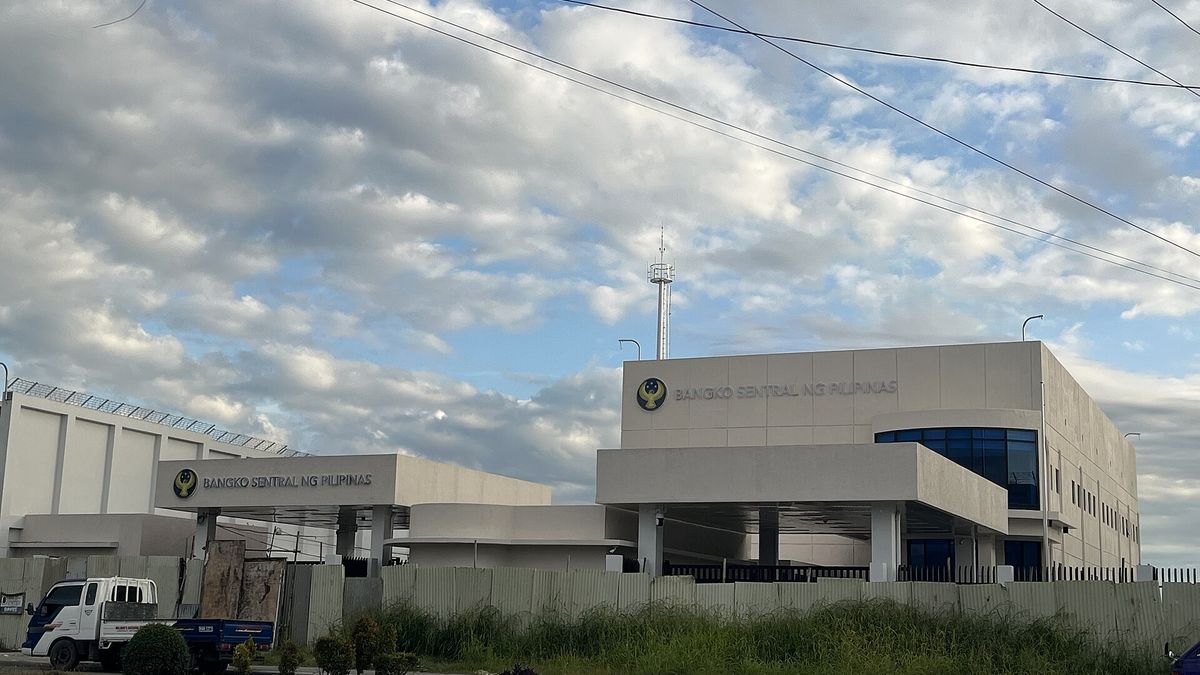
The Philippines is in a similar spot with a smaller cushion. Gross international reserves fell to $97.35 billion at the end of October, down 2.15% from September and 11.7% from a year earlier, according to preliminary Bangko Sentral ng Pilipinas data reported by BusinessWorld. That is the lowest since December 2022. The BSP cited its net foreign exchange operations, lower gold valuations and the government's withdrawals to pay external debt.
The peso hit a record low of 64.17 per dollar on Oct. 27, BusinessWorld reported. The BSP said reserves still cover 6.1 months of imports and payments of services and primary income, and about 3.1 times short-term external debt by residual maturity. Ruben Carlo Asuncion, chief economist at Union Bank of the Philippines, told the paper that "persistent currency pressure could lead to further reserve drawdowns." The central bank expects to end the year with about $104 billion, which would require a rebound from current levels.
The holders: Japan, Indonesia and Malaysia
Elsewhere the October numbers moved the other way. Japan's Ministry of Finance reported zero intervention between Sept. 29 and Oct. 28, its official monthly release shows. Capital Times has covered Japan's zero intervention reading in more detail.
South Korea's October reserve figures are covered in our report on Korea's October reserves.
Bank Indonesia said its reserves were broadly stable at $146.8 billion at the end of October, from $146.3 billion a month earlier, with government loan drawdowns and tax and services receipts offsetting external debt repayments and its own rupiah stabilization operations. The reserves covered 5.3 months of imports, the central bank said. In Malaysia, Bank Negara's international reserves rose to $132.6 billion as of Oct. 30 from $132.1 billion two weeks earlier, according to the central bank's figures as reported by Bernama and The Edge.
What to watch this week
Two releases will update the picture before the month ends. India's weekly figures on Friday will show whether foreign currency assets resume their slide. Japan's finance ministry is expected to publish its next monthly intervention total around the end of November, covering the period from Oct. 29. Taiwan and the Philippines report November reserves early next month. CNA reported that the Taiwan dollar's weakness continued into November, which makes Taipei's figure the one most likely to show further selling.
Valuation remains the trap in all of these readings. Gold lifted India's total in early November and cut into the Philippines' in October. A rise or fall in the headline number does not, on its own, show what a central bank did in the market.
Sources
- Business Standard (PTI): India's forex reserves rise by $2.49 billion to $719.55 billion: RBI data (Nov. 13, 2026)
- Free Press Journal (IANS): India's Forex Reserves Rise $2.49 Billion To $719.55 Billion, Gold Holdings Surge To $104.8 Billion (Nov. 13, 2026)
- Focus Taiwan (CNA): Taiwan forex reserves dip below US$600 billion amid intervention (Nov. 6, 2026)
- Focus Taiwan (CNA): Central bank faces issues in curbing Taiwan dollar volatility: Experts (Nov. 7, 2026)
- BusinessWorld: Philippine dollar reserves fall to near 4-year low (Nov. 8, 2026)
- Bank Indonesia: Official Reserve Assets Remain Solid in October 2026 (Nov. 6, 2026)
- Central Bank of the Republic of China (Taiwan): October 2026 foreign exchange reserves (115年10月底外匯存底) (Nov. 5, 2026)
- The Star (Bernama): Bank Negara's international reserves increase to US$132.6bil as at Oct 30 (Nov. 6, 2026)
- The Edge Malaysia: BNM international reserves hit US$132.6b as at Oct 30 (Nov. 6, 2026)
- Ministry of Finance Japan: Foreign Exchange Intervention Operations (September 29, 2026 - October 28, 2026) (Oct. 30, 2026)
Our standards: Capital Times reports under the principles set out in our Editorial Standards and Ethics Policy. Spotted an error? Report it to our editors.