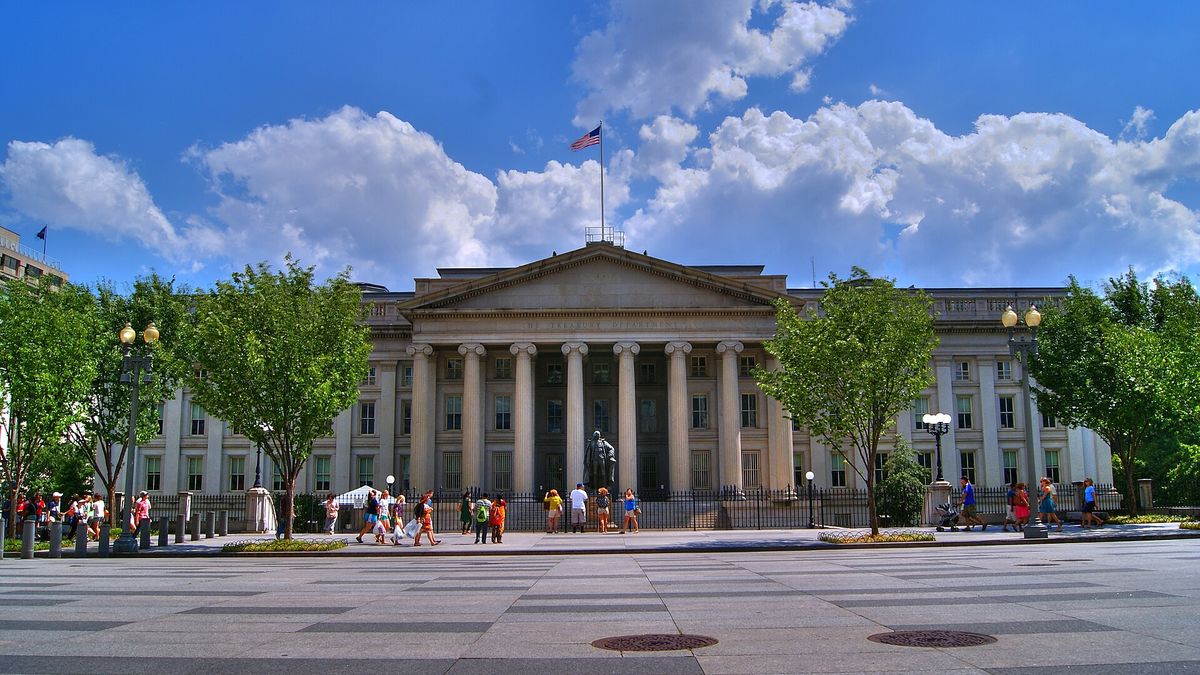
Treasury Yields Slip Back Below 5% as Fed Decision Looms After September Rout
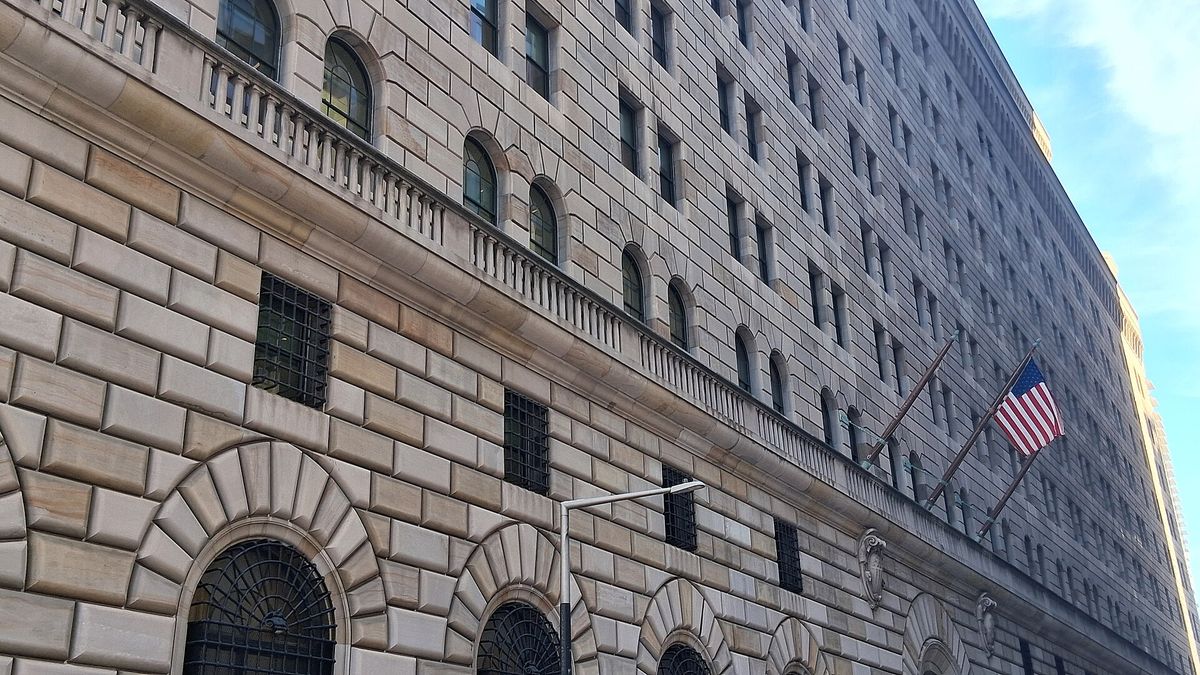
The 10-year yield has fallen for three weeks after touching its highest since 2007, but oil and supply worries still hang over the market.
The 10-year yield has fallen for three weeks after touching its highest since 2007, but oil and supply worries still hang over the market.
The department kept next week's sale at $125 billion but softened its pledge on auction sizes, and its advisers backed larger 2- to 10-year note sales.
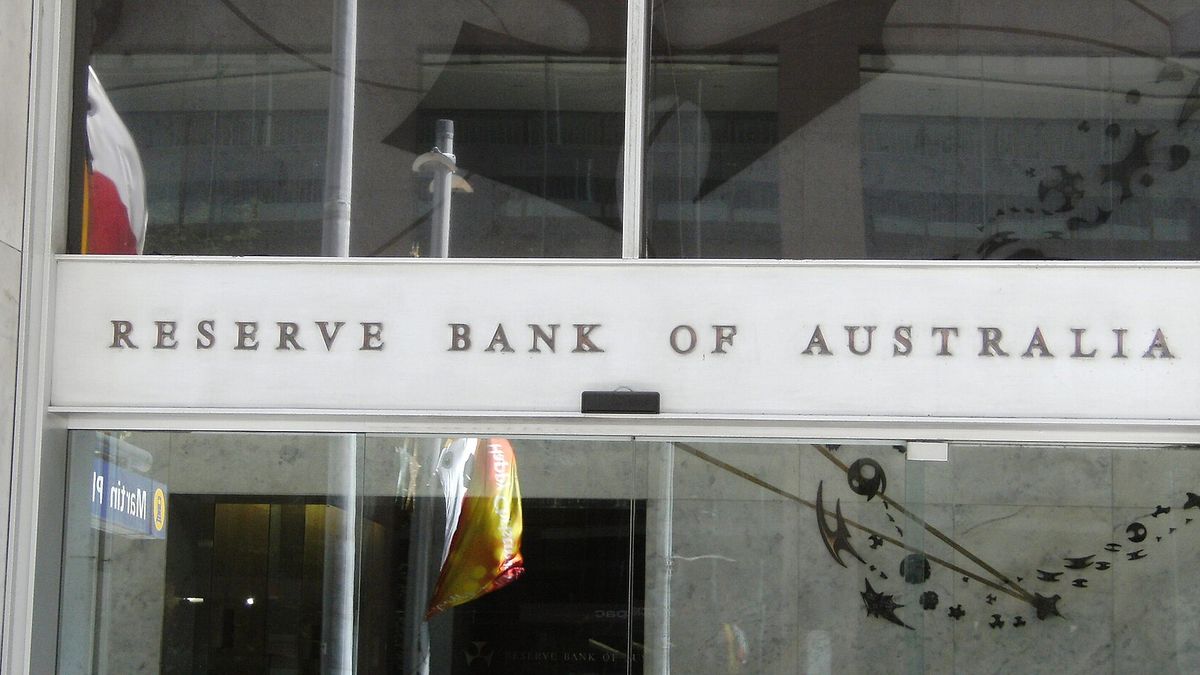
Hot September inflation lifted the odds of a fifth rate increase this year, but haven buying pushed long-dated Australian yields to an eight-week low.
Three of nine board members voted to hold and the bank dropped a line about further hikes, pulling the 3-year yield below the new cash rate.
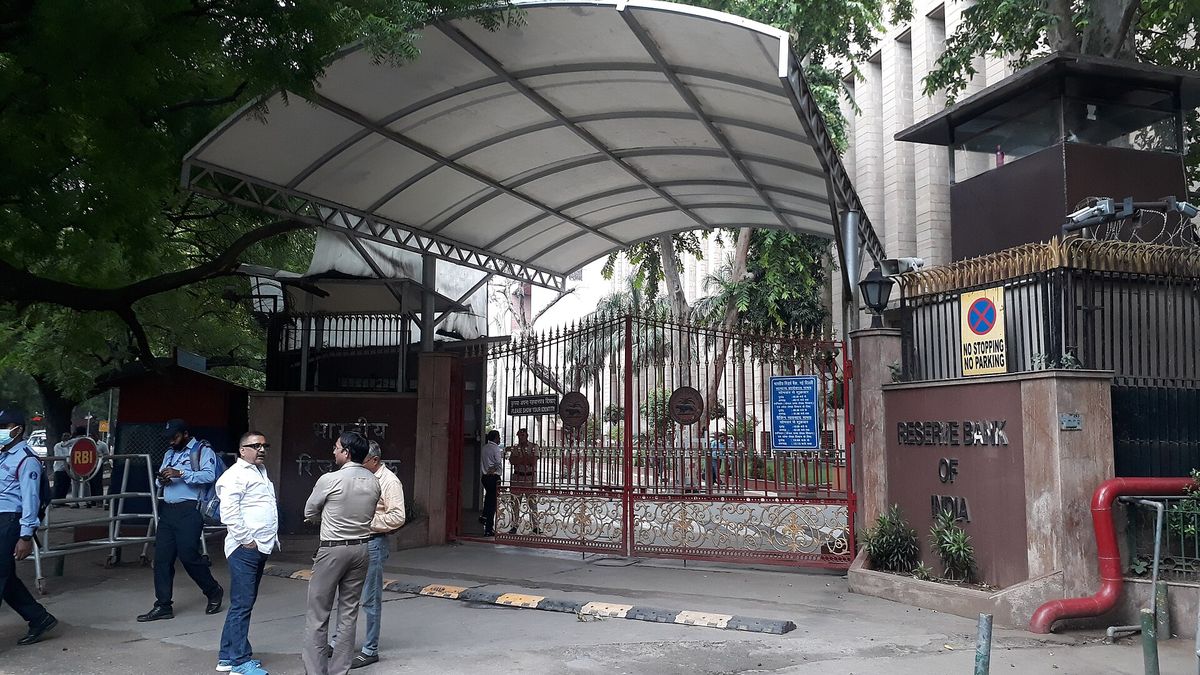
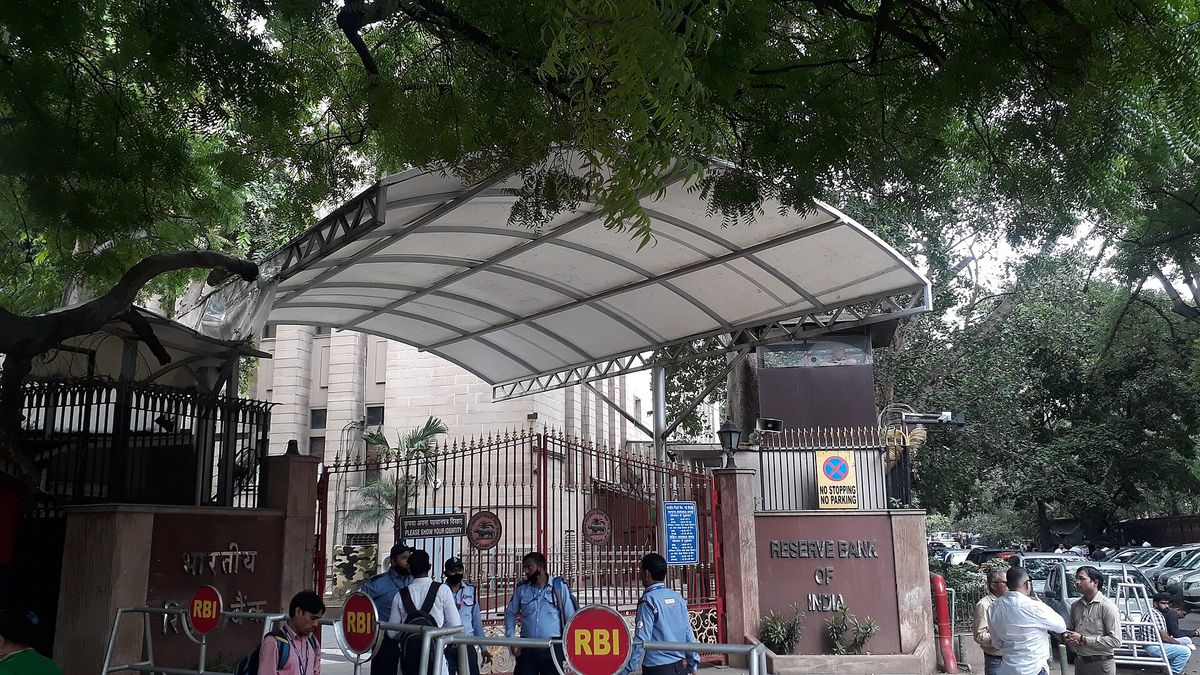
Yields fell 13 basis points in two sessions as Brent crude tumbled, while the Reserve Bank of India kept soaking up excess bank cash ahead of a 360 billion rupee bond sale.
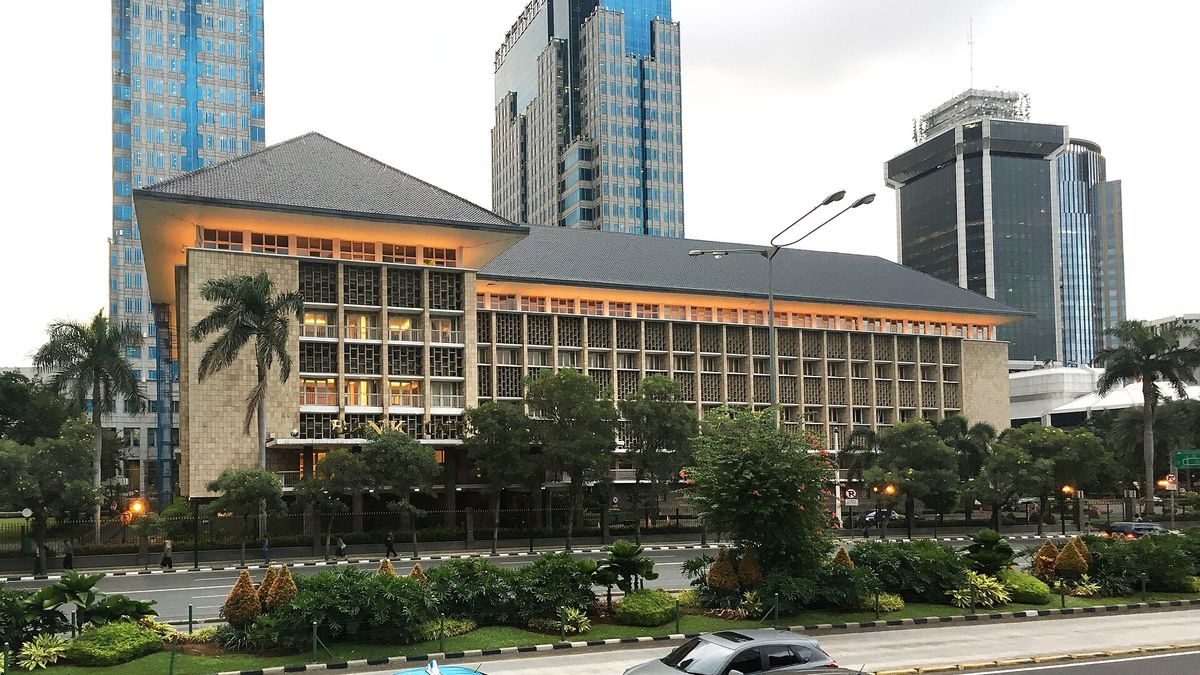
Finance Minister Suahasil Nazara said investor appetite for government debt has recovered from an MSCI-driven slump, with a $3 billion global sukuk also drawing heavy orders.
Minutes of the split Nov. 3 decision arrive Tuesday, followed by September-quarter wages and October employment as investors weigh whether the 4.85% cash rate is the peak.
The benchmark yield rose 12 basis points last week as inflation broke the RBI's 6% ceiling, and a 340 billion rupee bond sale cleared at 7.32% before a heavy week of state borrowing.
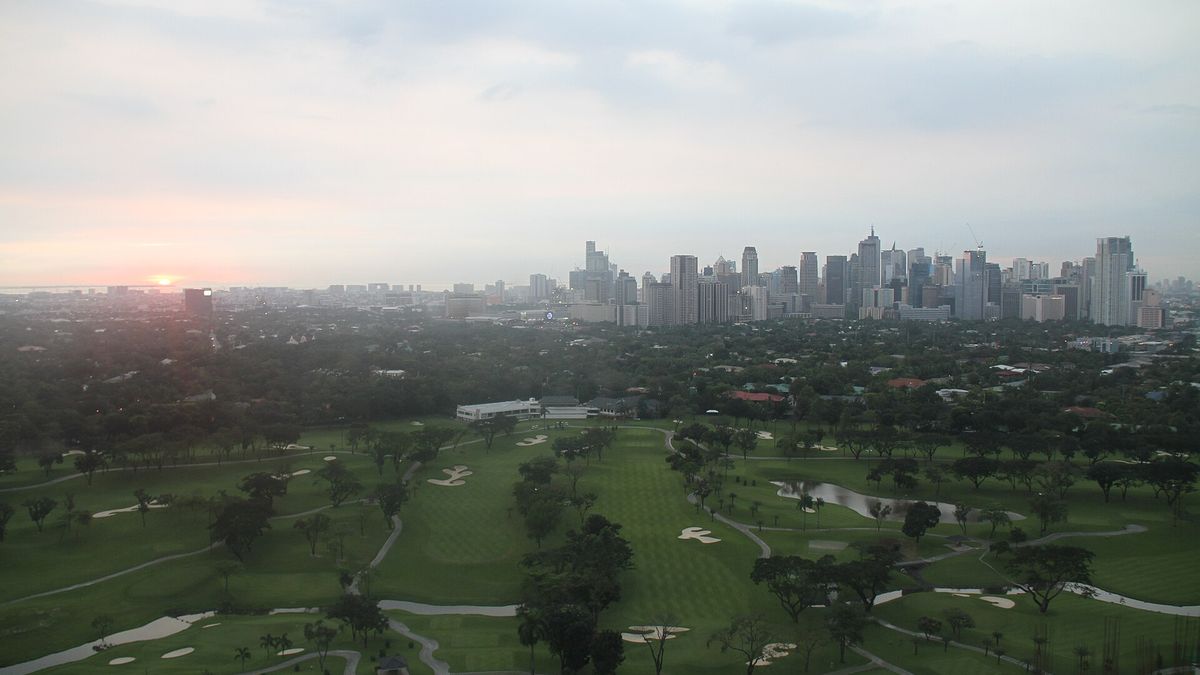
The lenders' market committee says systems will be set by the end of November, as peso bond yields flatten on weak growth and a P30 billion 20-year reissue goes to auction.
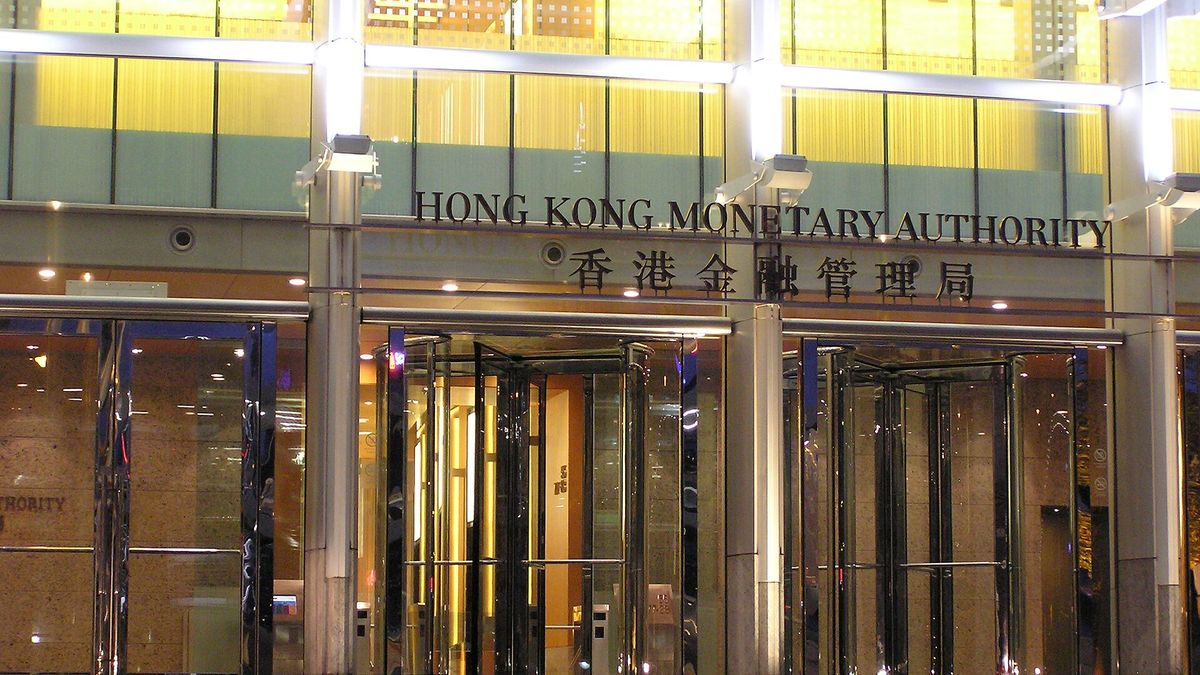
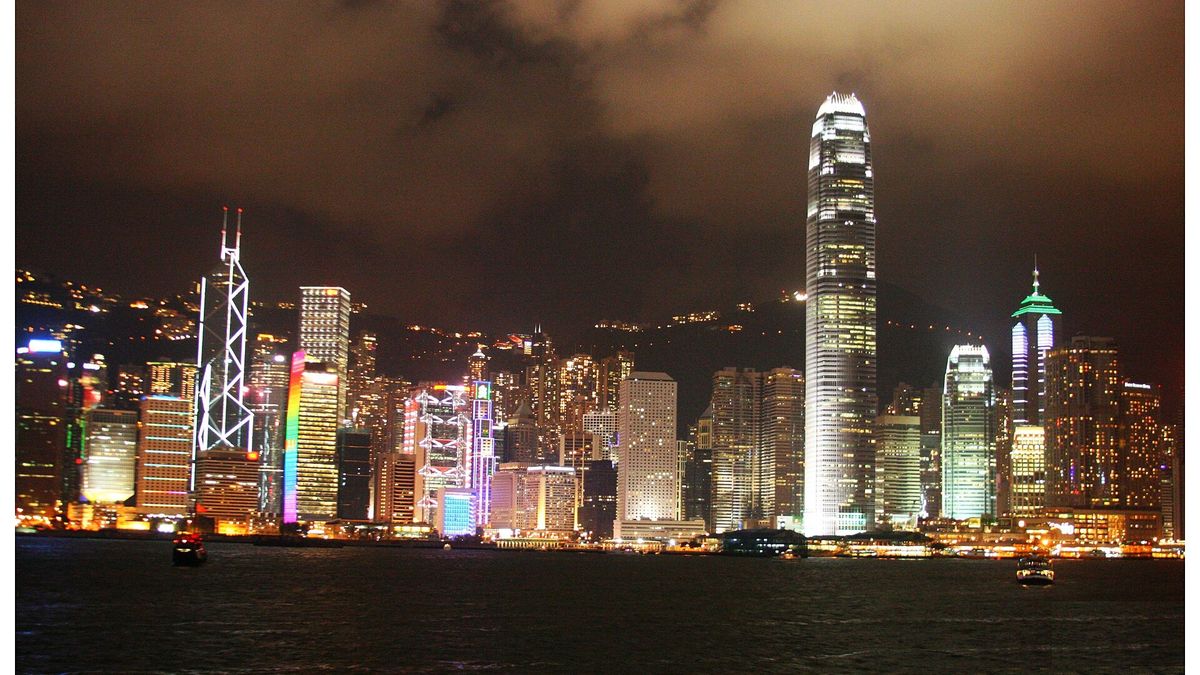
Overnight borrowing from the monetary authority peaked on Thursday as one-month HIBOR edged back up to 2.68% and the aggregate balance held near HK$54 billion.
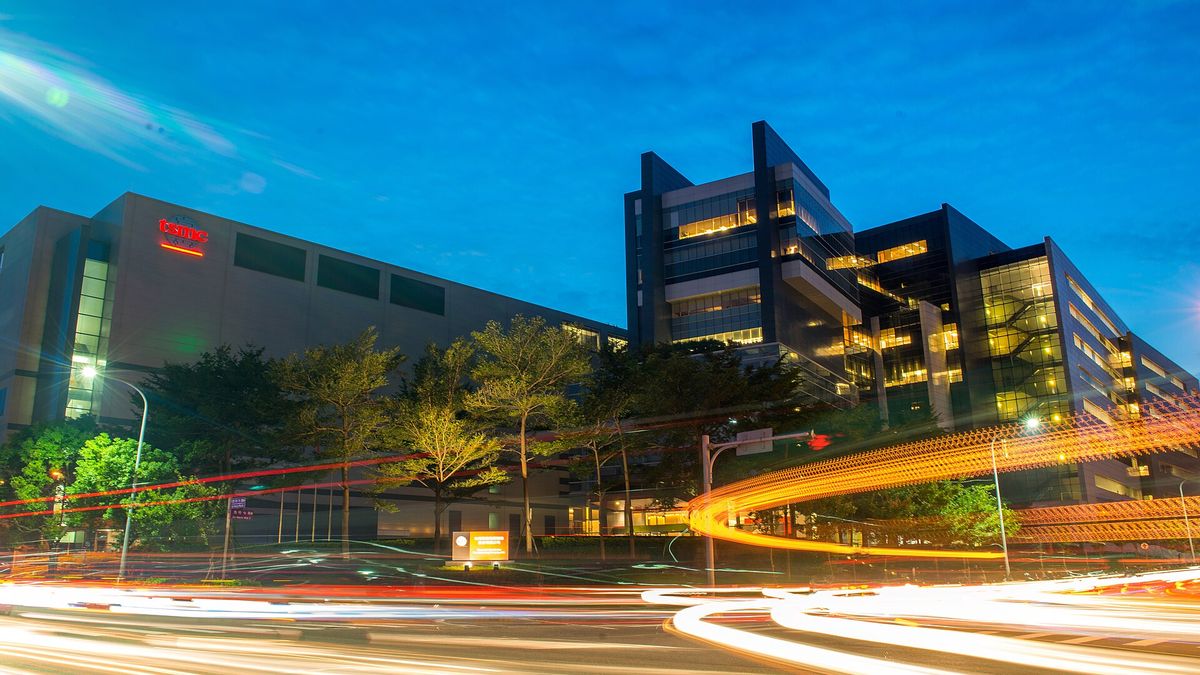
The chipmaker's third green sale of 2026 carries the highest five-year and 10-year coupons among all of its outstanding Taiwan-dollar bonds.
Third-quarter growth came in just under forecasts, leaving the central bank's 1% policy rate and its talk of gradual increases at the center of the baht bond market.
State-run lenders locked in funding at 7.92% to 8.21% before the RBI's December review, while private finance companies took far less than they sought and the RBI ran a lopsided bond switch on Monday.
Finance Minister Muhammad Aurangzeb said foreign buyers are returning to Pakistan's conventional bills and bonds but remain scarce in its Islamic debt.
The reopened government sukuk was 2.3 times covered, but investors demanded about 26 basis points more than at the two earlier sales of the same paper this year.
Investors are demanding more to lock up money for decades. Here is how that extra compensation works and why it has lifted U.S. and Japanese yields.
The 30-year yield set a record 4.235% early in the month, but solid Ministry of Finance auctions and a cautious central bank pulled long rates back.
The deal spans 32 projects in 15 countries, adds an unrated mezzanine slice and recycles loans from the first Bauhinia transaction.
Central bank data show the runoff is concentrated in two-, five- and 10-year bonds, while Tokyo's November calendar includes 10-, 30-, 20- and 40-year auctions.
Demand at the Ministry of Finance's monthly sale cooled from October, while minutes of the Bank of Japan's September hike showed members wary of markets running ahead on rates.
Australia, the Philippines, India and Korea have tightened this year while Malaysia and Indonesia hold. Here is where nine policy rates stand and what they mean for bonds.
A flat third quarter does little to shake expectations of a Bank of Japan hike in December, while the Finance Ministry sells about 700 billion yen of 20-year debt on Wednesday.
The 2-year note rose even more as hike bets built. Retail sales, the Fed's October minutes and Treasury data on Japanese and Chinese holdings arrive this week.
Factory output, spending and investment all missed forecasts, while the PBOC's new 1.25% overnight rate keeps short-term funding cheap and an ANZ strategist sees no fresh stimulus this year.
The first big test for primary dealers since the antitrust penalty drew bids of about three times supply, with yields near 4% ahead of the Bank of Korea's Nov. 26 meeting.
Half-year filings from Daiichi Life and Japan Post Insurance show how the biggest buyers of super-long debt are absorbing higher yields before the Nov. 25 auction.
Provinces are using up this year's quota as infrastructure investment falls 5.1% and Beijing prepares to release part of the 2027 allowance early.
Shimao now expects its onshore restructuring in 2027 or later, its latest filing says, while Sino-Ocean and Country Garden reported more overdue debt.
Offshore yuan debt made up more than a third of bonds listed in the city this year, and a new benchmark of about 305 dim sum bonds is meant to pull in index funds.
Lenders have held the one-year rate at 3% for 17 months. Citi expects another hold on Friday, even as the central bank lends hundreds of billions of yuan a day at 1.25%.
Monday's 250 billion yen reopening of 10-year linkers cleared at a 1.072% yield, the highest since 2008, in a week of heavy short-dated supply from Tokyo.