Asia's 2026 Rate Map: RBA at 4.85%, BSP at 5.5% as Bank Negara Holds 2.75%
Australia, the Philippines, India and Korea have tightened this year while Malaysia and Indonesia hold. Here is where nine policy rates stand and what they mean for bonds.

What to know
- The Reserve Bank of Australia raised its cash rate target by 25 basis points to 4.85% on Nov. 3, citing broadly based inflation.
- Bank Negara Malaysia kept its Overnight Policy Rate at 2.75% on Nov. 5 and said 2026 growth should exceed 5%.
- The Bangko Sentral ng Pilipinas target rate stands at 5.50% after a 50-basis-point increase, with October inflation at 7.8%.
HONG KONG
The Reserve Bank of Australia raised its cash rate target by 25 basis points to 4.85% on Nov. 3, and Bank Negara Malaysia left its Overnight Policy Rate at 2.75% two days later. Between them, the two decisions show how far apart the region's central banks have drifted this year.
For bond investors in Asia, the gap matters more than any single move. Australia, the Philippines, India and South Korea have all tightened in 2026. Malaysia, Indonesia and Japan have held, and China has gone the other way on plumbing, adopting a new 1.25% overnight policy rate. Local yields have followed those lines only loosely, because oil, currencies and U.S. Treasuries are pulling on them too.
The scorecard: who has hiked, who is holding
Australia, 4.85%. The RBA said inflation remains elevated and broadly based, and its staff now expect it to stay above the 2% to 3% target band until late 2027, about three quarters later than previously forecast. The board pointed to higher fuel costs tied to the Middle East conflict and to capacity pressures it judged a little tighter than it had thought. It also noted that housing prices have fallen significantly and unemployment has risen.
Philippines, 5.50%. The Bangko Sentral ng Pilipinas lists its target reverse repurchase rate at 5.50% after the Monetary Board lifted it by 50 basis points, with the overnight deposit and lending rates moved to 5.00% and 6.00%. Governor Eli Remolona Jr. said at the October policy briefing that the move would “firmly anchor inflation expectations.” The central bank's own data put October inflation at 7.8%.
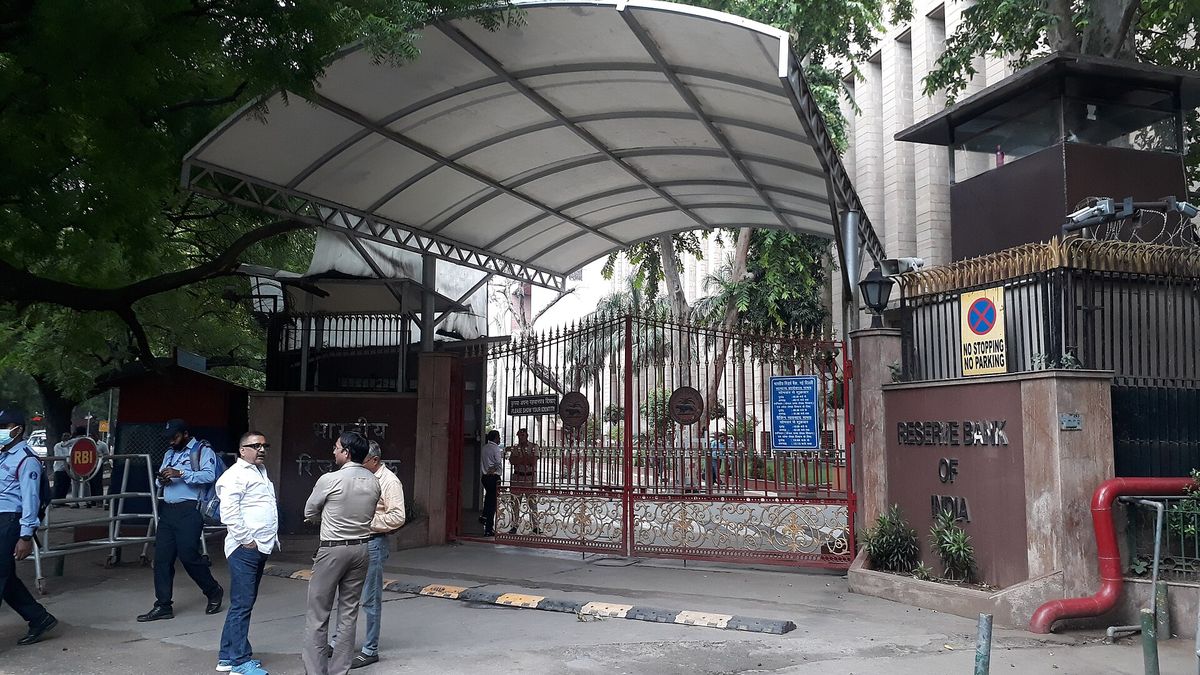
India, 5.50%. The Reserve Bank of India's current policy repo rate is 5.50%, with the standing deposit facility at 5.25% and the marginal standing facility at 5.75%, according to the bank's website. The RBI lifted the repo rate to 5.50% on Oct. 7.
South Korea, 3.00%. The Bank of Korea left its base rate at 3.00% on Oct. 22, after back-to-back increases from 2.50%, according to the central bank's website.
Indonesia, 5.75%. Bank Indonesia held the BI-Rate at 5.75% on Oct. 21 but raised its deposit facility rate to 5.00% and kept the lending facility at 6.50%. It paired that with cuts to banks' rupiah reserve requirements, from 9% to 7% for conventional lenders in two steps on Nov. 1 and Dec. 1, which frees liquidity while making it more attractive to park cash at the central bank.
Malaysia, 2.75%. Bank Negara said on Nov. 5 that growth in the third quarter stayed strong and should lift 2026 expansion above 5%. Headline and core inflation averaged 1.8% and 1.9% so far this year, the bank said, though it expects both to edge higher into 2027 as energy costs pass through.
Japan, 1.25%. The Bank of Japan kept its overnight call rate target at around 1.25% on Oct. 30 in an 8-1 vote. It also more than doubled the pace of its ETF sales to about 860 billion yen a year, from about 330 billion yen.
China, 1.25% overnight; LPR 3.0% and 3.5%. The People's Bank of China ran an overnight reverse repo at a fixed 1.25% on Nov. 2, lending 541 billion yuan, after it made the overnight rate its main policy rate. The one-year loan prime rate stayed at 3.0% and the five-year rate at 3.5% on Oct. 20, ECNS reported.
What the rate map means for bond yields
The clearest pattern is that higher policy rates have not guaranteed higher long-term yields. Australia's 10-year yield slipped to about 5.1% on Oct. 30 even as traders priced in this week's increase, as haven buying in long bonds outweighed the hike. That is a flattening signal: the market is betting that tighter policy slows the economy, which the RBA's own forecasts of slower output growth and rising unemployment support.
India shows a similar split. Its 10-year yield fell to 7.30% on Nov. 3, the lowest since Oct. 9, as oil retreated, even though the RBI tightened in October. For India, crude prices are doing as much work on the long end as the repo rate.
Indonesia is the exception. Bank Indonesia has not raised the BI-Rate, yet its 10-year yield hit 7.71% on Oct. 29, a six-year high, as the rupiah weakened toward 18,200 per dollar. Holding the policy rate while lifting the deposit facility rate is a narrow tool; bond buyers are demanding more to hold rupiah debt regardless.
Japan sits at the other end of the spectrum. At 1.25%, the BOJ's rate remains the lowest of the group alongside China's new overnight rate, and Japan's 10-year yield ended October below 2.8%. Malaysia's 2.75% rate, steady inflation and stated growth confidence leave ringgit bonds among the calmer markets in the region.
The carry math for investors
For a Hong Kong or Singapore investor comparing markets, real rates are the useful filter. The Philippines' 5.50% policy rate sits well below October inflation of 7.8%, so policy there is still loose in real terms despite the half-point move. Malaysia's 2.75% rate compares with year-to-date headline inflation of 1.8%, a positive real rate. Korea's 3.00% base rate is just above October inflation of 2.8%.
The next tests come quickly. Bank Indonesia's reserve requirement cut takes its second step on Dec. 1, and the RBI has its next policy meeting in December.
Sources
- Reserve Bank of Australia: Statement by the Monetary Policy Board: Monetary Policy Decision (Nov. 3, 2026)
- Bank Negara Malaysia: Monetary Policy Statement (Nov. 5, 2026)
- Bangko Sentral ng Pilipinas: Key Rates and Monetary Policy (homepage) (Nov. 5, 2026)
- Bank of Japan: Statement on Monetary Policy (Oct. 30, 2026)
- Bank Indonesia: BI-Rate held at 5.75%: Board of Governors Meeting, October 2026 (Oct. 21, 2026)
- Reserve Bank of India: Current Rates (Nov. 5, 2026)
- Bank of Korea: Monetary Policy Decision (October 22, 2026) (Oct. 22, 2026)
- People's Bank of China: Announcement on Open Market Operations No.211 [2026] (Nov. 2, 2026)
- ECNS (China News Service): China's LPR unchanged in October (Oct. 20, 2026)
Our standards: Capital Times reports under the principles set out in our Editorial Standards and Ethics Policy. Spotted an error? Report it to our editors.