Philippine Retail Dollar Bonds Raise $1.26 Billion at 5.65%: What Small Investors Get
The three-year bonds, sold from $200 through apps such as GCash and PDAX, are issued Nov. 27. Here is how the coupon, tax and currency terms work.
What to know
- The Philippine Bureau of the Treasury raised $1.26 billion from its third retail dollar bond, well above its target of at least $500 million, The Philippine Star reported.
- The three-year bonds pay a fixed 5.65% a year in quarterly installments, are issued Nov. 27, 2026 and mature Nov. 27, 2029.
- The minimum purchase was $200, and the government pays the final withholding tax on the interest, according to BitPinas and Asian Journal.
MANILA
The Philippine government sold $1.26 billion of U.S. dollar bonds to retail investors this month, more than double its goal, giving small savers a three-year dollar asset paying 5.65% a year from a minimum of $200.
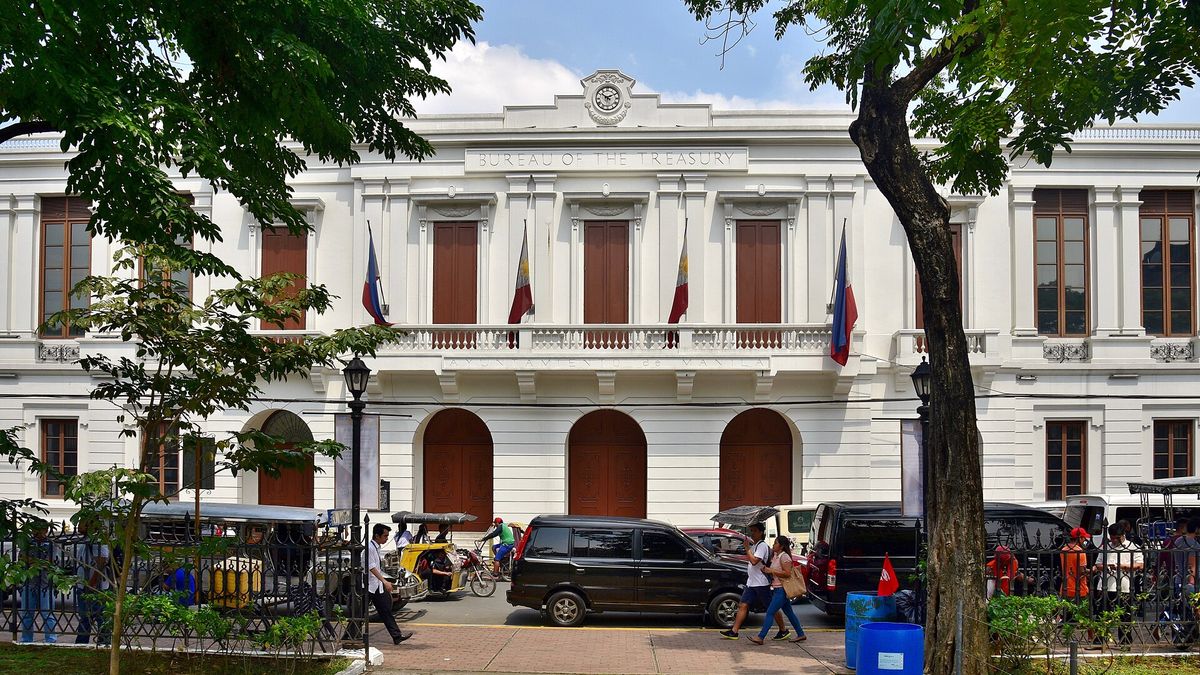
The Bureau of the Treasury's third Retail Onshore Dollar Bond offering, known as RDB3, closed on Tuesday, Nov. 24. It raised $453.4 million at the Nov. 19 rate-setting auction and another $806.09 million during the public offer, The Philippine Star reported on Thursday. National Treasurer Sharon Almanza had aimed for at least $500 million.
The total matched the $1.26 billion raised by the second offering in October 2023 but fell short of the $1.6 billion from the first sale in 2021, according to The Philippine Star.
Demand showed up from the start. Bids at the opening auction reached $839.5 million, more than four times the initial $200 million on offer, the Philippine News Agency reported, and the auction committee accepted more than it had announced.
The terms
The bonds are issued on Friday, Nov. 27, and mature on Nov. 27, 2029, Asian Journal reported. The 5.65% coupon is fixed and paid quarterly in dollars, BitPinas reported. Purchases started at $200 and went up in $100 steps.
Interest is effectively tax-free for buyers: under the offering terms, the government assumes the final withholding tax on coupon payments, according to Asian Journal and BitPinas. Investors who live abroad may still owe tax where they reside.
“It will allow Filipinos to grow their US dollar savings while earning regular income,” Almanza said at the launch in Intramuros, Manila, the Philippine News Agency reported.
The Treasury sold the bonds through five online channels: its own online ordering facility, the Land Bank and OFBank mobile apps, GBonds inside GCash, and the PDAX exchange. PDAX let verified users pay with seven dollar-pegged stablecoins, including Tether's USDT and USD Coin, BitPinas reported. The bonds themselves are ordinary government securities recorded in the national registry, not crypto tokens. PDAX founder Nichel Gaba told BitPinas that Filipinos should not need substantial wealth or a private banker to buy dollar investments.
What it means for buyers in Asia
The sale was also open to Filipinos working abroad, a large group of savers in Asia and beyond. Eligible overseas Filipinos could subscribe through institutions offering remote account opening, such as the state-owned digital lender OFBank, Asian Journal reported. U.S. citizens and other U.S. persons may face extra paperwork and tax reporting tied to the Foreign Account Tax Compliance Act.
For a dollar earner, the appeal is a fixed dollar return backed by the Philippine government, without the need to convert into pesos. For someone whose spending is in pesos, the picture is different. The coupon is paid in dollars, so the peso value of that income rises when the peso weakens and falls when it strengthens. The peso slid to 63.72 per dollar in mid-November, Capital Times reported, which helps explain the demand for dollar assets at home. Our guide to hedged and unhedged currency exposure sets out how that trade-off works.
Peso alternatives pay more on paper. Treasury bill yields have climbed for weeks, as covered in our report on T-bill rates versus digital bank savings, but those returns are exposed to the peso and to Philippine inflation.
Two other points matter. The bonds are not bank deposits and are not covered by deposit insurance, Asian Journal noted. And while holders who keep them to 2029 should get their dollars back with the final coupon, anyone who sells early may get less than they paid if market prices fall. The bonds are listed on PDEx, the domestic trading platform, the Philippine News Agency reported, and BitPinas said secondary trading opens on Nov. 27, subject to market conditions, so investors who missed the offer may be able to buy later at market prices.
Why the Treasury wants retail money
The sale helps the government spread its borrowing. Jonathan Ravelas, senior adviser at Reyes, Tacandong & Co., called the take-up a “clear vote of confidence” and said it could ease pressure on future debt auctions, The Philippine Star reported. The Treasury plans to borrow 892 billion pesos from the local market in the fourth quarter and 2.73 trillion pesos this year, the newspaper said.
For savers, the next date to watch is the first quarterly coupon. For the Treasury, the question is how much of this dollar demand returns when it next taps households.
This article is general information, not financial advice.
Sources
- The Philippine Star: Government pockets $1.26 billion from dollar bond issue (Nov. 26, 2026)
- Philippine News Agency: Treasury raises initial $453.4-M from 3rd retail dollar bond offering (Nov. 19, 2026)
- SunStar (Philippine News Agency): BTr raises $453.4M at 5.65% rate for Retail Dollar Bonds (Nov. 22, 2026)
- The Manila Times: BTr raises $453.4M from bond offering (Nov. 20, 2026)
- Asian Journal: Philippines raises $453 million in dollar bonds, opens sale to overseas Filipinos (Nov. 21, 2026)
- BitPinas: PDAX Accepts Seven USD Stablecoins for 5.65% Philippine Retail Dollar Bond Subscriptions (Nov. 20, 2026)
Our standards: Capital Times reports under the principles set out in our Editorial Standards and Ethics Policy. Spotted an error? Report it to our editors.