Xiaomi Profit Falls 68% as Memory Costs Squeeze Phones and Car Unit Swings to Loss
Revenue fell for a third straight quarter, phone shipments dropped 29% and the car and AI unit lost 3.4 billion yuan as China's auto market shrank.
What to know
- Xiaomi's net profit fell 68.4% to 3.9 billion yuan in the July to September quarter, and adjusted net profit fell 56.8% to 4.9 billion yuan, below the 5.2 billion yuan analysts expected, according to LSEG data cited by Reuters.
- Smartphone shipments dropped 29.1% to 30.7 million units and the phone gross margin narrowed to 9.2% from 11.1% as memory and other component prices rose.
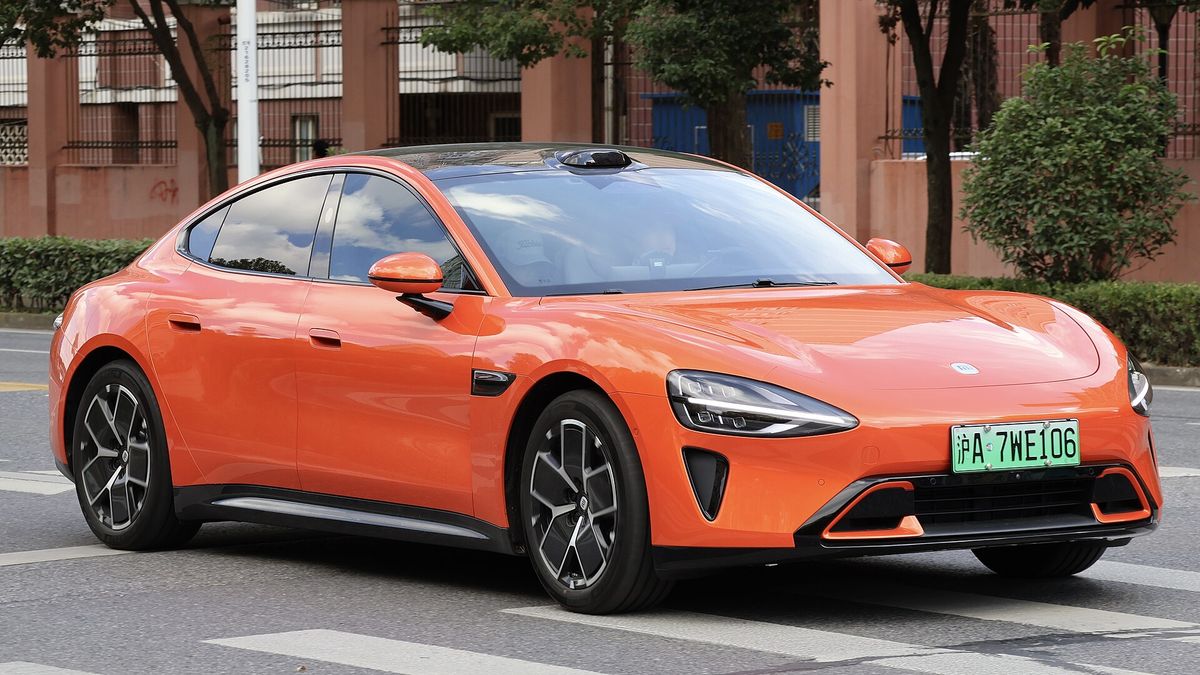
- The car, AI and new initiatives unit swung to a 3.4 billion yuan operating loss on 100,975 vehicle deliveries, down about 7% from a year earlier, while China's passenger car retail sales fell 24%.
BEIJING
Xiaomi is paying twice for China's tougher consumer market. Rising memory chip prices are eating into the margin on every phone it sells, and a shrinking domestic car market has pushed its electric vehicle business back into the red a year after it first turned a profit.
The Beijing-based company said on Nov. 24 that net profit for the three months to September fell 68.4% from a year earlier to 3.9 billion yuan, according to figures from its Hong Kong exchange filing reported by The Next Web and ShiftDelete.Net. Adjusted net profit, the measure Xiaomi highlights, dropped 56.8% to 4.9 billion yuan (about US$736 million).
That was below the 5.2 billion yuan analysts had expected on average, according to LSEG data cited by Reuters. Revenue slipped 5.2% to 107.2 billion yuan, the third straight quarterly decline, The Next Web reported. Xiaomi's Hong Kong-listed shares closed 3.7% lower at HK$26.50 that day, Reuters said.
Memory costs hit the phone business
Smartphones remain Xiaomi's largest business, and the quarter showed how quickly component inflation can erase gains from a better product mix. Shipments fell 29.1% to 30.7 million units from 43.3 million a year earlier, while phone revenue dipped only 0.8% to 45.6 billion yuan, according to the filing figures.
The gap came from price. The average selling price rose 39.8% to a record 1,486 yuan as Xiaomi deliberately cut back on low-end models, The Next Web reported. Even so, gross margin on phones narrowed to 9.2% from 11.1%, which the company attributed mainly to higher prices for key parts.
"The costs of key components, including memory, continued to rise," Xiaomi said in its filing, as quoted by The Next Web. President Lu Weibing told analysts on the earnings call that memory prices were likely to stay high through the first half of 2027, the South China Morning Post reported, as cited by The Next Web. The same memory squeeze has also weighed on Qualcomm's handset chip sales.
Counterpoint Research said Xiaomi had a "significant shipment decline" in the quarter, with shipments down more than 30% and its global market share falling to 12% as it pulled back from cheaper segments and non-core overseas markets, Reuters reported. Xiaomi, citing Omdia, said global smartphone shipments fell 20% and that it has ranked in the top three by shipments for 25 straight quarters, ShiftDelete.Net reported.
The rest of the devices business offered little relief. Revenue from Internet of Things and lifestyle products fell 1.4% to 27.2 billion yuan, while internet services revenue edged up 0.7% to 9.5 billion yuan, ShiftDelete.Net reported from the filing.
Car unit falls back into the red
The bigger swing came from cars. Revenue from the segment covering electric vehicles, AI and other new initiatives fell 17.7% to 23.9 billion yuan, and the unit posted an operating loss of 3.4 billion yuan, according to the filing figures. A year earlier, Xiaomi's car business reported its first quarterly operating profit, of 700 million yuan, Yicai Global reported at the time.
Deliveries fell about 7% to 100,975 vehicles, compared with 108,796 a year earlier. Xiaomi said China's passenger car retail sales dropped 24% over the same period, and on its call it described the domestic downturn as creating "huge pressure for everyone," Reuters reported. Capital Times tracked that slowdown in October's car sales data.
The filing blamed lower deliveries of the high-end SU7 Ultra for weaker margins, and the segment's gross margin fell to 19.2% from 25.5%, according to ShiftDelete.Net. Executives attributed the loss to growing investment in AI, The Next Web reported. Net finance costs rose to 2 billion yuan from 200 million yuan, ShiftDelete.Net reported.
The new SkyNomad SUV range, priced from 209,900 yuan, drew more than 70,000 orders in its first month and contributed over 10,000 deliveries in the quarter, The Next Web reported. Analysts told Reuters that SkyNomad sales had only partly offset falling shipments of older models.
Spending continues as Europe launch nears
Xiaomi is not cutting back on longer-term bets. Research and development spending reached 9.2 billion yuan in the quarter and rose 16.5% to 27.4 billion yuan over the first nine months, according to the filing figures. Xiaomi will keep investing in AI, its own chips and robotics despite the pressure on profit, Reuters reported.
Overseas, Xiaomi plans to enter the German car market in the second half of 2027, Reuters reported, and has signed agreements with eight German dealer groups, according to The Next Web and ShiftDelete.Net. It has also been propping up its stock, buying back about 431.5 million shares worth roughly HK$13.1 billion so far this year, ShiftDelete.Net reported.
The results closed out a run of big Chinese consumer earnings, a test Capital Times previewed in its look at results from JD, Alibaba and Xiaomi. For investors, the next markers are monthly delivery numbers for the SkyNomad and SU7 lines and whether memory prices start to ease after the first half of 2027, the earliest point management has signaled.
Sources
- Reuters (via Finwire): Xiaomi third-quarter profit falls 57% as smartphone sales hit (Nov. 24, 2026)
- The Next Web: Xiaomi's profit falls 68% as memory costs hit its phones and car sales slow (Nov. 24, 2026)
- ShiftDelete.Net: Xiaomi Q3 Adjusted Profit Falls 56.8% on Memory Costs, EV Loss (Nov. 25, 2026)
- City News Service: Daily Buzz: 25 November 2026 (Nov. 25, 2026)
- Yicai Global: Xiaomi Falls Even as Third-Quarter Profit Surges 130%, Car Business Turns Profitable (Nov. 19, 2025)
Our standards: Capital Times reports under the principles set out in our Editorial Standards and Ethics Policy. Spotted an error? Report it to our editors.