Tokyo Tatemono to Pay 270 Billion Yen for Stake in Shibuya's Largest Redevelopment
The developer is buying land and building interests next to Shibuya station, while Daiwa Office REIT swaps an old building for space in a new 38-story tower.
What to know
- Tokyo Tatemono plans to buy part of the land and buildings in the Shibuya 2-chome West redevelopment for about 270 billion yen ($1.7 billion), Mingtiandi reported.
- Tokyo's governor approved the project's rights conversion plan on Nov. 24, with the exchange of property rights set for Dec. 1.
- Daiwa Office Investment will give up a building appraised at 13.1 billion yen for 5,622 square meters of office space in the new tower, valued at 21.8 billion yen.
TOKYO
Tokyo Tatemono plans to buy part of the land and buildings in a large redevelopment beside Shibuya station for about 270 billion yen ($1.7 billion), adding to a run of large bets on central Tokyo redevelopment.
The purchase follows approval by Tokyo's governor on Tuesday, Nov. 24, of the rights conversion plan for the Shibuya 2-chome West District project, Mingtiandi reported, citing a filing by the developer. That approval lets the existing landowners trade their property for space in the finished buildings. The exchange of rights is scheduled for Dec. 1.
The seller is the redevelopment association that runs the project, of which Tokyo Tatemono is already a member and a rights holder. The filing covers Blocks A and B of the scheme. It does not break the price down by block or floor area, and the company gave no financing details. Tokyo Tatemono said the deal was already built into its forecast for the year to December, so its earnings guidance stands.
A tower on the east side of the station
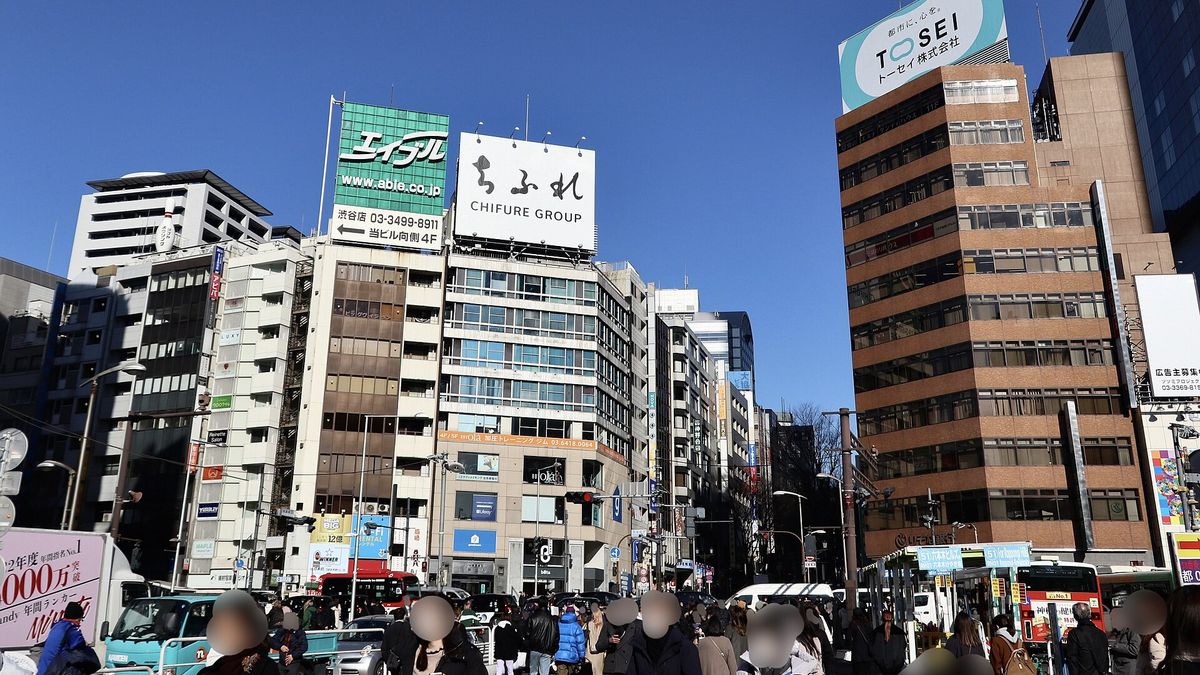
Tokyo Tatemono, the association and the Urban Renaissance Agency, a government-backed developer, describe the scheme as the largest planned redevelopment in Shibuya by both site and floor area. The district covers about 2.3 hectares in Shibuya 2-chome, on the east side of the station, according to Tokyo's Bureau of City Planning.
The centerpiece is a 38-story tower about 192 meters tall on Block B, which will hold offices, shops, a hotel, a bus terminal and a talent development hub, according to Mingtiandi. Block A will carry a five-story retail building and an elevated plaza linked to Block B by a pedestrian deck. A third plot, Block C, led separately by Tokyo Tatemono, is planned as housing for mid- to long-term stays aimed at foreign residents.
Total floor space across the project is about 305,800 square meters, including about 239,200 square meters on Blocks A and B, Mingtiandi reported. The city planning bureau lists a bus terminal linking the area with international airports and regional cities among the project's public features.
The plan has shifted since the association was formed. In a January 2023 notice, the Urban Renaissance Agency described a 41-story Block B tower of about 208 meters and said all three blocks would be completed together in fiscal 2029. Mingtiandi now reports that main construction is due to start in 2029 and finish in 2035.
A REIT trades an old building for new space
The approval also matters for Daiwa Office Investment Corp., a Tokyo-listed office REIT. It owns the Daiwa Shibuya Miyamasuzaka Building on the Block A site and will give it up in exchange for 5,622 square meters of office space in the new Block B tower, Mingtiandi reported.
An appraisal at the end of May, which ignored the redevelopment, valued the existing building at 13.1 billion yen, according to Mingtiandi, which cited a separate announcement by the REIT. The Japan Real Estate Institute valued the replacement space at 21.8 billion yen. During the rebuilding years, the REIT expects compensation payments from the association under Japan's urban redevelopment law to produce about 562 million yen a year in cash flow, roughly level with the roughly 560 million yen of net operating income the building earns now.
That structure lets the REIT hold its income steady through construction and end up with newer space at a higher appraised value, instead of selling into the redevelopment for a one-time gain. For unitholders, the risk is the long wait: the new tower is years away, and office demand in 2035 is hard to call. Demand for top-grade space in the capital has been strong lately, as Capital Times reported in its look at Grade A rents in the capital.
What to watch
The Shibuya deal takes Tokyo Tatemono's planned purchases in two major Tokyo redevelopments this year to about 435 billion yen, according to Mingtiandi. In March, the company disclosed a 165 billion yen purchase of land and building interests in the Kyobashi 3-chome East project, Mingtiandi reported, after Tokyo's governor approved that project's rights plan on March 24. That 35-story tower, about 180 meters tall, is set to start construction in December 2026, with offices and shops opening in fiscal 2030 and the hotel in fiscal 2032, according to Tokyo Tatemono.
The developer has also been recycling capital. In October, it agreed to sell a 22.5% stake in the JA Building and Keidanren Kaikan in Otemachi to Japan Prime Realty Investment Corp. for 32.8 billion yen, Mingtiandi reported. Japanese REITs have been reshaping their portfolios through similar swaps and sales, as with Hankyu Hanshin REIT's sale of an Osaka hotel complex.
Investors will look for the Dec. 1 rights exchange to go through as planned, and for any detail on how Tokyo Tatemono funds the two projects and how it spreads the cost over the coming years. The next markers are the company's full-year results for the year to December and any update to the construction schedule, which has already moved back since 2023.
Sources
- Mingtiandi: Tokyo Tatemono Plans $1.7B Stake in Shibuya Redevelopment Project (Nov. 25, 2026)
- Tokyo Metropolitan Government Bureau of City Planning: 渋谷二丁目西地区第一種市街地再開発事業 (Oct. 31, 2025)
- Urban Renaissance Agency: 渋谷二丁目西地区第一種市街地再開発事業 組合設立のお知らせ (Shibuya REGENERATION Project) (Jan. 31, 2023)
- Tokyo Tatemono: 京橋三丁目東地区第一種市街地再開発事業 権利変換計画認可のお知らせ (March 24, 2026)
Our standards: Capital Times reports under the principles set out in our Editorial Standards and Ethics Policy. Spotted an error? Report it to our editors.