PBOC Lifts Hong Kong Bill Sale to 50 Billion Yuan, Leaning on One-Year Paper
Bids came in near three times the amount on offer, and the one-year coupon rose to 1.41% as the yuan's official fixing hit its strongest level since 2022.
What to know
- The People's Bank of China sold 50 billion yuan of bills in Hong Kong in a Nov. 24 tender, up from 30 billion yuan in August, HKMA results show.
- Investors bid 143.77 billion yuan, and the one-year bills priced at a 1.41% coupon, up from 1.35% in August.
- The tender came as the PBOC set its daily yuan fixing at 6.7111 per dollar on Nov. 24, the strongest since April 2022, Reuters reported.
HONG KONG
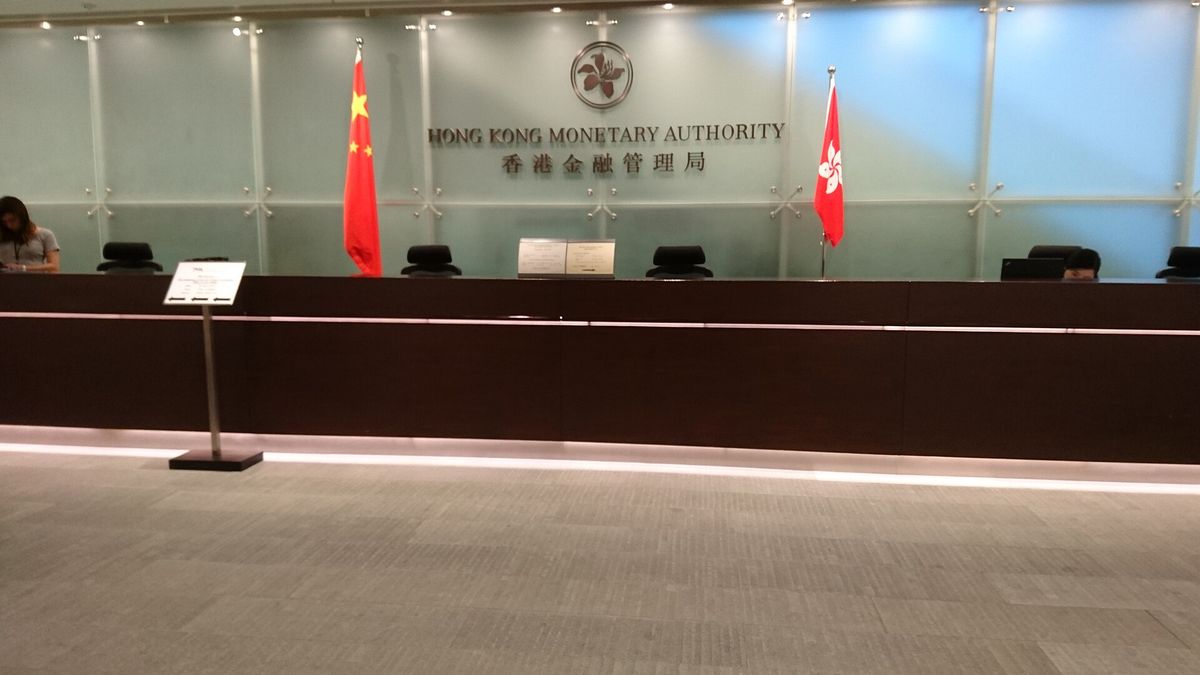
China's central bank sold 50 billion yuan of short-term bills in Hong Kong this week, two-thirds more than at its previous sale in August, and shifted the mix toward longer paper. Investors put in bids worth 143.77 billion yuan, almost three times the amount on offer, according to tender results published by the Hong Kong Monetary Authority on Nov. 24.
The People's Bank of China sold 20 billion yuan of three-month bills and 30 billion yuan of one-year bills through the HKMA's Central Moneymarkets Unit. Both settled on Nov. 26, the same day 15 billion yuan of three-month bills from the August sale fell due. The one-year bills mature on Nov. 26, 2027.
The sale lands in a week when the yuan has been at its firmest in years. On Nov. 24 the PBOC set its daily midpoint at 6.7111 per dollar, the strongest fixing since April 2022, Reuters reported. The onshore yuan traded near 6.66 per dollar on Friday, according to Trading Economics.
Bigger sale, higher coupons
The one-year bills priced at a coupon of 1.41%, up from 1.35% when the PBOC last sold that tenor in Hong Kong on Aug. 25. The three-month coupon edged up to 1.32% from 1.30%. Accepted bids ranged from 1.29% to 1.41% for the one-year paper and from 1.20% to 1.32% for the three-month bills, the HKMA said.
Demand was concentrated at the longer end. Applications for the one-year bills reached 94.6 billion yuan, about 3.2 times the issue size, against 49.17 billion yuan for the three-month bills. Bidders who asked for the top accepted one-year rate received only about 2.9% of the amount they sought, compared with roughly 55% in August, a sign that many investors clustered right at the cutoff.
The August sale raised 30 billion yuan, split evenly between the two tenors. In February, when the PBOC also sold 50 billion yuan, it put 30 billion yuan into three-month bills and 20 billion yuan into one-year bills, Xinhua reported. This week's sale reversed that split, giving offshore holders more paper that will stay on their books through next year.
The bills give offshore investors a short-dated yuan asset backed by the PBOC itself. Each sale also draws yuan out of the offshore banking system until the paper matures, which can firm short-term borrowing costs in Hong Kong's yuan money market.
A strong yuan and a seasonal bid
The yuan is up about 5% against the dollar this year, according to Reuters. A trader at a foreign bank told the news agency that the run of firm fixings had made the market more willing to swap dollars into yuan. Analysts at CITIC Securities expect the currency to keep gaining and see it at 6.4 to 6.5 per dollar by the end of 2027, Reuters reported.
Trading Economics attributed part of the recent strength to exporters converting foreign-currency earnings for year-end accounts and bonuses ahead of the Lunar New Year. The site also pointed to a firmer dollar and a planned U.S. tariff of up to 20% on Chinese imports from next year as weights on the currency.
Offshore demand for yuan assets has been building in Hong Kong for months. Yuan bonds have overtaken dollar debt in the city's listings this year, as Capital Times reported this month. Onshore, the PBOC has been managing liquidity in the opposite direction, pulling a net 300 billion yuan of medium-term cash from banks in November.
Singapore widens its yuan funding line
The Hong Kong sale followed a separate step in Singapore. On Nov. 23, the Monetary Authority of Singapore said it and the PBOC would split the MAS RMB Facility into two parts. A new RMB Corporate Facility will let eligible financial institutions fund company yuan needs such as trade finance with third countries, working capital, capital spending and intra-group funding. An RMB Liquidity Facility will provide backstop yuan funding to eligible financial institutions in Singapore. Both will offer tenors of one, three and six months.
Both are backed by the two central banks' currency swap of up to 300 billion yuan and S$65 billion, which was renewed in 2022 and runs through 2027, Bloomberg reported. Singapore government securities and MAS bills will be accepted as collateral alongside Singapore dollar cash, and the two sides are studying whether to accept Chinese government bonds, MAS said.
Chee Hong Tat, Singapore's minister for national development and deputy chairman of MAS, said the countries had made "tangible progress to strengthen cooperation and markets connectivity." MAS also said DBS has started yuan clearing services, making it Singapore's second yuan clearing bank. Yuan deposits in Singapore hit a record 337 billion yuan at the end of June, Bloomberg reported, citing MAS data.
Frances Cheung, head of foreign exchange and rates strategy at OCBC, told Bloomberg the move strengthens Singapore's role as "a gateway for Southeast Asia." She said that accepting Chinese government bonds as collateral would give investors more reason to hold them.
For investors, the next tests are how the yuan handles the Fed's December decision and whether the PBOC keeps its fixings firm into year-end, as exporters convert earnings ahead of the Lunar New Year.
Sources
- Hong Kong Monetary Authority: Result of the tenders of the People's Bank of China RMB Bills held on 24 November 2026 (Nov. 24, 2026)
- Hong Kong Monetary Authority: Result of the tenders of the People's Bank of China RMB Bills held on 25 August 2026 (Aug. 25, 2026)
- Xinhua: China's central bank to issue bills worth 50 bln yuan in Hong Kong (Feb. 13, 2026)
- Monetary Authority of Singapore: Singapore and China Strengthen Financial Cooperation with New RMB Initiatives (Nov. 23, 2026)
- Bloomberg (via The Edge Malaysia): Singapore, China deepen yuan ties with focus on corporates (Nov. 24, 2026)
- Reuters (via TipRanks): Yuan steadies near recent high on firm central bank fixing (Nov. 25, 2026)
- Trading Economics: Chinese Yuan: Quote, Chart, Historical Data, News (Nov. 27, 2026)
Our standards: Capital Times reports under the principles set out in our Editorial Standards and Ethics Policy. Spotted an error? Report it to our editors.