Samsung Drags Kospi Down 3% as Alphabet's Cash Burn Cools Asia's AI Stock Rally
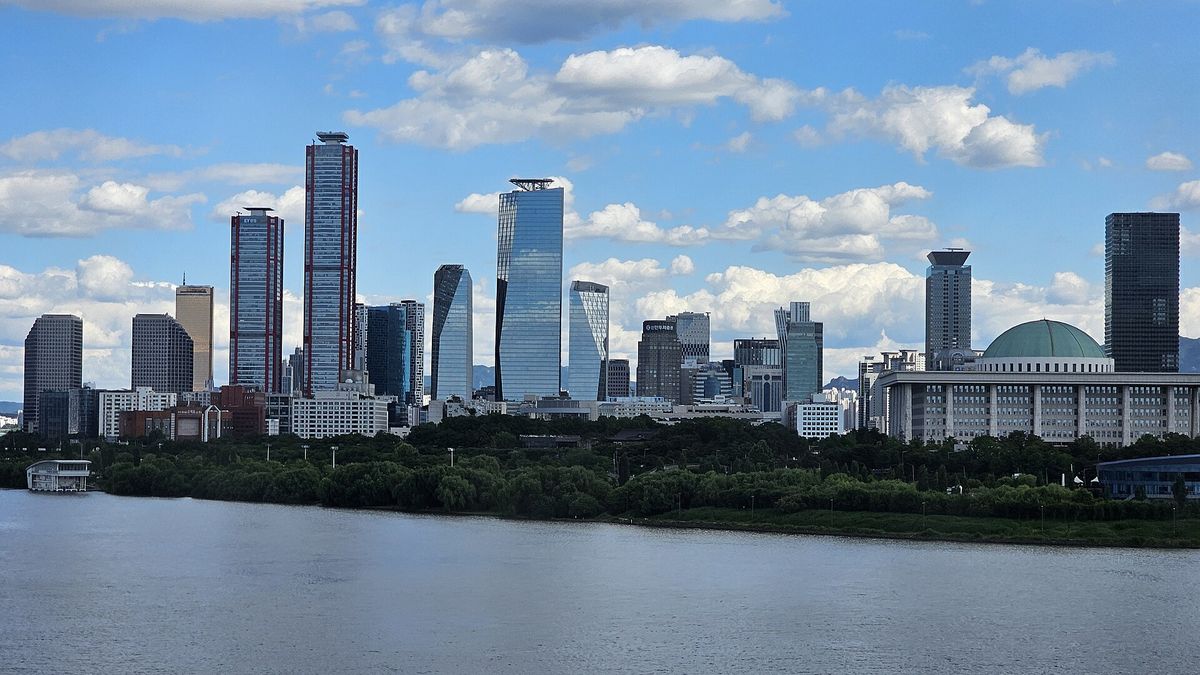
Japanese chip stocks rallied ahead of the BOJ and Hong Kong held flat in morning trade, while Samsung's profit miss and a battery stake sale sank Seoul.
Japanese chip stocks rallied ahead of the BOJ and Hong Kong held flat in morning trade, while Samsung's profit miss and a battery stake sale sank Seoul.
A recovery from Friday's morning low left the slide a shade short of March 2020's, while Korea's Kospi fell almost as far in Asia's AI selloff.
Seoul and Mumbai led a mixed Asian session on Nov. 2, Shanghai rose as the central bank stepped up support, and Tokyo and Sydney slipped after Friday's Wall Street tech rout.
Microsoft and Apple rallied as Nvidia, Micron and TSMC's U.S.-listed shares fell, and Qualcomm and Arm slid after the bell on their quarterly results.
Chip and AI stocks led the rebound in Hong Kong, Shanghai and Shenzhen, but mainland investors still sold a net HK$3.3 billion of Hong Kong shares through Stock Connect.
The chipmaker's market value briefly shed about $600 billion, by Capital Times' estimate, before buyers returned. AMD and Broadcom rose while AI cloud stocks sank.
SEC filings show the former chief controls about 811.5 million shares through himself, trusts and LLCs. He has filed no open-market sale since October 2025.
Mainland tech shares led the slide, the Shenzhen Component lost almost 16%, and Beijing's regulators were set to meet banks on Monday to discuss support tools.
The index came within 200 points of 50,000 early in the month before an AI spending scare and Fed worries pulled TSMC, MediaTek and Delta lower.
Australia's No. 2 grocer now expects flat first-half supermarket earnings as fuel costs rise and Woolworths wins shoppers with deeper discounts.
Two of Japan's biggest chip stocks split after results: the memory maker guided to a flat quarter while the equipment maker set its first full-year forecast.
India's state-owned engineer will supply boilers, turbines and generators for eight 800-megawatt units after new orders slowed sharply last quarter.
The chipmaker's first results since Jensen Huang's resignation will test its own forecast for 12% sequential growth, with leadership, China and data center orders at the top of analysts' lists.
Morningstar, RBC Capital Markets and others marked down their Nvidia valuations after Jensen Huang resigned, while still expecting AI chip demand to hold up into the Nov. 17 results.
Rival chipmakers led a rotation inside the AI trade from Monday through Thursday, while Super Micro fell 11% in a single session and Microsoft slipped.
Indian benchmarks rose less than 1% in a holiday-shortened week, then fell on Friday after October inflation topped 6% and raised the odds of a December rate increase.
Taiwan drew its first net foreign buying of the week on Friday, while overseas funds sold 550.5 billion won of Korean shares after three days of buying.
Technology counters dragged Singapore's benchmark lower, Thailand and Malaysia slipped, Indonesia plunged and the Philippine index held near one-year lows.
Australia's benchmark rose 0.68% for the week to 9,082.2 even after miners and banks dragged it down 0.71% on Friday, with wages and jobs figures due.
A record 333 billion rupee backlog outweighed a squeeze on margins, and a new 1,150-kilovolt transmission project sent grid equipment makers higher in a falling market.
Bursa Malaysia's benchmark fell in every session last week, with Public Bank and other lenders leading the decline as analysts debated whether the selloff has run its course.
The Hong Kong mall and car park owner held its distribution steady and pledged more unit buybacks, but warned that full-year earnings will not beat last year's.
Cotton and crude-linked costs squeezed margins at the Indian licensee for Jockey and Speedo, and The Economic Times linked the selling to a disclosure on foreign-exchange rules for online sales.
The Topix rose in all five sessions and erased its Nov. 6 plunge, while the tech-heavy Nikkei won back about half of a 7,200-point slide.
Hong Kong gave back most of the prior week's rally as AI shares slid, mainland buyers added a net HK$11.9 billion, and Shanghai held up better.
Monday brings Japan's third-quarter GDP and China's October activity figures. Seven big Chinese tech companies report by Thursday, with U.S. retail sales and Fed minutes in between.
The Nikkei 225 machine-tool maker hit its daily limit at the open on Friday, then gave back more than half of the gain. The new forecast implies second-half profit roughly flat from a year earlier.
The drug contractor touched HK$210 after the U.S. dropped its military label, then closed the week 1% lower with a Biosecure Act list still due.
The Hada Labo maker posted record sales and kept its full-year forecast, but net profit fell on a one-off dividend gain a year earlier and it cut its outlook for the Americas.
The Seoul-listed games, payments and cloud company more than doubled quarterly operating profit as its AI data center business grew. The rally lasted two sessions.
The ASX-listed accounting software maker lifted its revenue forecast for the year to March 2027, but net profit fell 86% as the loss-making Melio business weighed on first-half earnings.