Hang Seng Rises 1.7%, Shenzhen 4.2% as PBOC Buyback Loan Requests Top 200 Billion Yuan
Chip and AI stocks led the rebound in Hong Kong, Shanghai and Shenzhen, but mainland investors still sold a net HK$3.3 billion of Hong Kong shares through Stock Connect.
What to know
- The Hang Seng Index rose 1.67% to 23,919.50 on Nov. 4, while the Shenzhen Component jumped 4.22% and the CSI 300 gained 2.31%.
- The People's Bank of China said banks had applied for more than 200 billion yuan of its stock buyback relending quota since a Nov. 2 meeting, as a cut in the program's rate to 1% took effect.
- Mainland investors sold a net HK$3.28 billion of Hong Kong shares through Stock Connect on Wednesday, a day after net purchases of HK$23.42 billion, HKEX data show.
HONG KONG
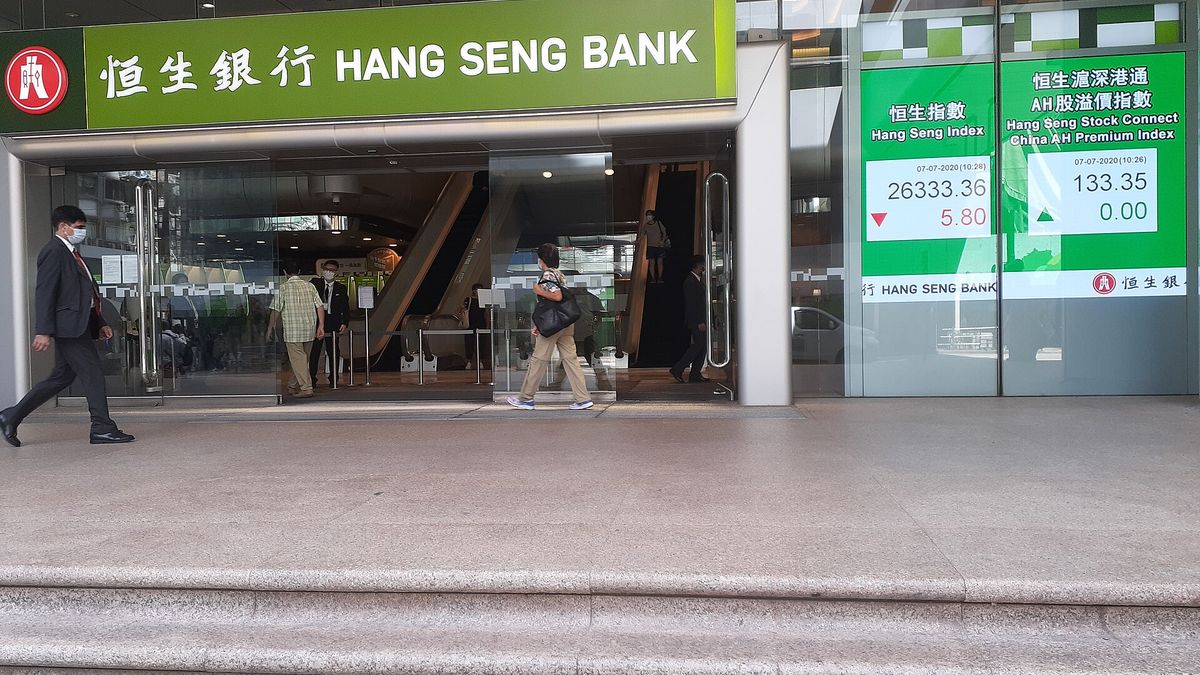
Chinese stocks had their best day in seven months on Wednesday and Hong Kong's Hang Seng Index rose 1.67% to 23,919.50, after the People's Bank of China said banks had asked for more than 200 billion yuan in central bank loans to fund share buybacks and stake purchases by major shareholders.
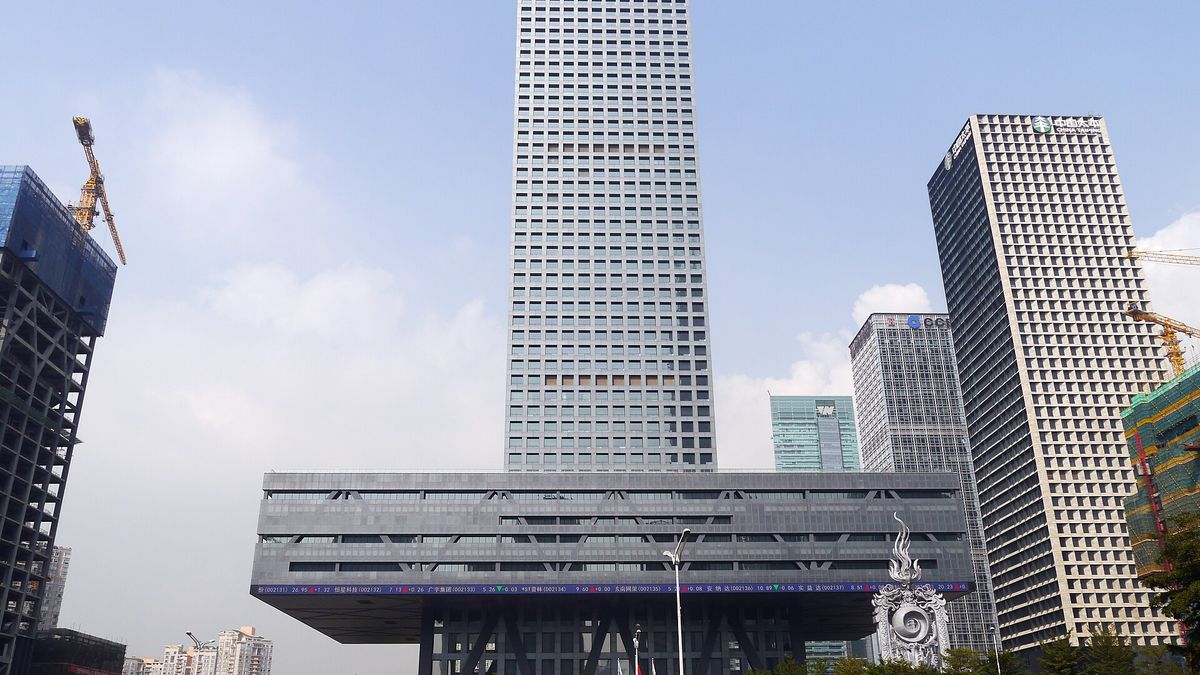
On the mainland, the Shenzhen Component jumped 4.22% to 11,335.7, the Shanghai Composite gained 2.16% to 3,686.17 and the blue-chip CSI 300 rose 2.31% to 4,101.34, according to data from China Securities Index and Trading Economics. Reuters, which called it the market's best day in seven months, said investors also cited the outcome of Tuesday's U.S. midterm elections.
For investors in Asia, the rebound tests whether Beijing's support can reverse a slide that has made China the worst-performing major stock market globally this year, with the CSI 300 down 11% since January, by Reuters' count. The stocks that led Wednesday's gains, chipmakers and AI names, are the same ones that drove October's losses.
The Hong Kong recovery came late. The Hang Seng opened 0.32% lower and was flat at the midday break, The Standard reported, before an afternoon rally left it up 393.53 points. Turnover was HK$236.9 billion, HKEX data show.
SMIC and Hua Hong Lead the Hang Seng Rebound
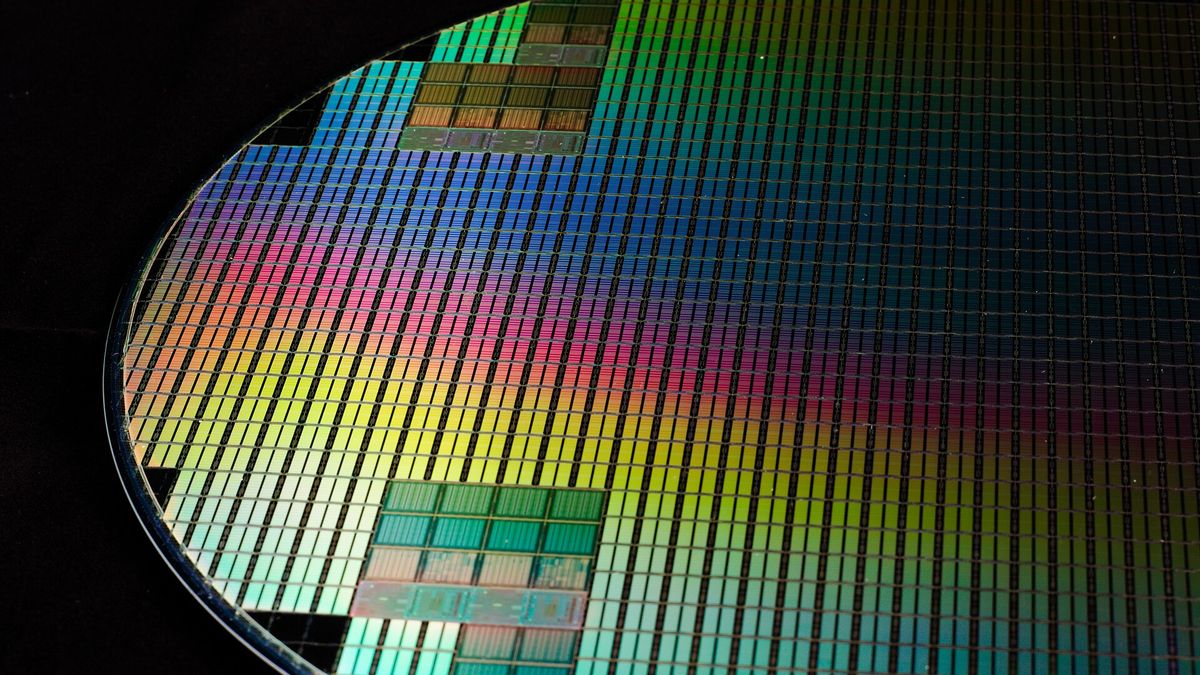
Hua Hong Grace Semiconductor rose 15.8%, the best performer among Hang Seng constituents, a day after it fell 5%. Semiconductor Manufacturing International Corp. (SMIC) gained about 9%, and Lenovo added 6%, nearly erasing a 6% drop on Tuesday, according to The Standard and HKEX closing prices. Z.AI rose 9.6% and MiniMax 7.5%.
Biotech and pharmaceutical stocks rallied too. WuXi AppTec climbed 12.4% and BeOne Medicines 10.2%, while WuXi Biologics rose 12.2% and GenScript Biotech 12.5%, HKEX closing prices show. Zijin Mining gained 7.6% as gold prices climbed and the U.S. dollar weakened, The Standard said.
Tencent and Alibaba each closed more than 1% higher. Tencent's gain came on a day when the Financial Times reported, in a story carried by Reuters, that Oracle had canceled a chip leasing deal with the company, estimated at US$7 billion, that would have given it access to about 100,000 advanced AI chips. Reuters said it could not immediately verify the report, and neither company responded to its requests for comment.
In Shanghai and Shenzhen, chip and AI hardware stocks led. Eoptolink Technology rose 13.35%, Zhongji Innolight 11.07%, Cambricon Technologies 10.38%, Hygon Information Technology 10.29% and NAURA Technology 10%, Trading Economics data showed.
What the PBOC Changed on Buyback Loans
In a statement on Wednesday morning, the central bank said the rate on its stock buyback and shareholding relending program was cut by 0.25 percentage point to 1%, effective Nov. 4. The relending is available to 21 national banks and five systemically important city commercial banks, which can draw central bank funding for the full amount they lend, for one year with the option to roll over.
Banks had applied for more than 200 billion yuan in quota since a Nov. 2 meeting on the program, the PBOC said, adding that it would keep meeting their demand. Reuters reported that the PBOC urged banks to speed up lending "to safeguard stable operation of the capital markets." The decision to make the program permanent was announced after that meeting, as Capital Times reported.
On Nov. 3, the PBOC also ran a 100 billion yuan swap operation to support stock purchases by brokers and fund companies. Thirty-one of them bid, and the fee settled at 10 basis points, the central bank said.
Analysts quoted by Reuters were split. Founder Securities said lower funding costs should make listed companies more willing to buy back shares or raise their stakes. Wang Yapei, a fund manager at Zijie Private Fund, said major shareholders may have little incentive to borrow to buy shares that are still falling.
The backdrop is a steep sell-off. The CSI 300 fell 8.5% in October, its worst month in more than a decade, and the STAR50 index of Shanghai-listed chip and AI companies dropped 40% from its July peak through the end of the month, according to Reuters. Hong Kong had its own 5.4% October loss.
Southbound Selling and an IPO Slowdown
Mainland money did not follow Wednesday's rally into Hong Kong. Investors using the southbound Stock Connect links bought HK$47.13 billion of Hong Kong shares and sold HK$50.40 billion, a net outflow of HK$3.28 billion, according to HKEX data. On Tuesday, they were net buyers of HK$23.42 billion, much of it in exchange-traded funds that track Hang Seng indexes, led by HK$16.5 billion of purchases of the Tracker Fund of Hong Kong.
That trade reversed on Wednesday, with net sales of about HK$6 billion of the Tracker Fund. Chip stocks were still in demand: SMIC drew about HK$1.18 billion of net southbound buying and Hua Hong about HK$540 million.
Regulators are also reported to be slowing new share supply. The Financial Times reported on Tuesday that the China Securities Regulatory Commission had told investment banks to pause initial public offerings and suspended large share sales by existing shareholders, according to Reuters. On Wednesday, Reuters reported that Yangtze Memory Technologies Co., China's largest maker of NAND flash chips, had put on hold a planned 33 billion yuan STAR Market listing by its parent, CCSH Corp. Two people told Reuters the company would likely go public in the first half of 2027, subject to market conditions. The CSRC did not respond to Reuters' request for comment.
The next figure for investors is how much of the 200 billion yuan in quota requests turns into loans that listed companies and their major shareholders actually draw.
Sources
- People's Bank of China: 中国人民银行加力实施股票回购增持再贷款政策 (PBOC steps up implementation of stock buyback and shareholding relending policy) (Nov. 4, 2026)
- People's Bank of China: 证券、基金、保险公司互换便利(SFISF)操作结果公告〔2026〕第1号 (SFISF Operation Results Announcement No. 1 of 2026) (Nov. 3, 2026)
- The Standard: Hang Seng Index closes shy of 24,000 points (Nov. 4, 2026)
- The Standard: Hong Kong stocks drop at open (Nov. 4, 2026)
- The Standard: Hong Kong stocks inch up by noon (Nov. 4, 2026)
- The Standard: Hong Kong shares rise at close, driven by tech giants (Nov. 3, 2026)
- The Standard (Reuters): Chinese banks have applied for 200 billion yuan loan quota to fund share purchases (Nov. 4, 2026)
- The Standard (Reuters): Oracle abandons US$7 billion Tencent AI deal under Trump pressure, FT reports (Nov. 4, 2026)
- The Standard (Reuters): Chinese chipmaker YMTC puts IPO on hold as weaker markets weigh, sources say (Nov. 4, 2026)
- Trading Economics: China Stocks Rebound as Beijing Steps Up Market Support (Nov. 4, 2026)
- Hong Kong Exchanges and Clearing: Daily Quotations, Nov. 4, 2026 (Market Highlights and Quotations) (Nov. 4, 2026)
- China Securities Index Co.: CSI 300 Index: daily performance, Nov. 3-4, 2026 (Nov. 4, 2026)
- China Securities Index Co.: SSE Composite Index: daily performance, Nov. 3-4, 2026 (Nov. 4, 2026)
- Hong Kong Exchanges and Clearing: Stock Connect: Historical Daily (Nov. 4, 2026)
Our standards: Capital Times reports under the principles set out in our Editorial Standards and Ethics Policy. Spotted an error? Report it to our editors.