Australia's 20% Gas Reservation Bill Faces Senate Test as Manufacturers, Unions Press Coalition
Labor needs the Coalition or the Greens to pass rules that would make LNG exporters hold back up to a fifth of their export volumes for local buyers from 2028.
What to know
- Australia's Senate sits from Monday on a bill that would require LNG exporters to reserve up to 20% of annual export volumes for local buyers from 2028.
- The Coalition says it will not back the bill in its current form and wants Western Australia, which has run a 15% reservation policy since 2006, left out.
- Manufacturing Australia, the Australian Industry Group and the ACTU signed a joint letter urging senators to pass the bill before Parliament rises for the year.
CANBERRA
Australia's Senate opens the last two parliamentary weeks of 2026 with a Senate-only sitting from Monday, and the government's domestic gas reservation bill is set to dominate it. The legislation would require liquefied natural gas exporters to hold back up to 20% of their annual export volumes for local buyers from 2028, and the Labor government cannot pass it without the Coalition or the Greens.
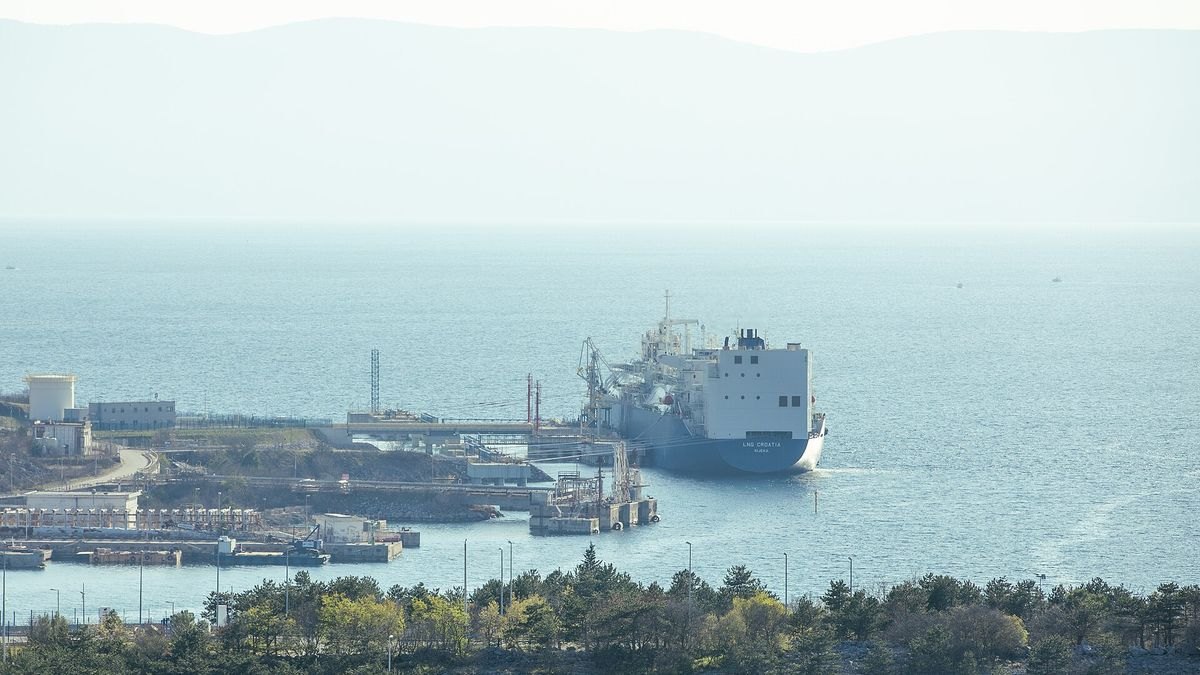
For Asian utilities and traders, the outcome matters because most Australian LNG is sold to the region under long-term contracts. The scheme would, for the first time, put reservation rules on the three export plants on Queensland's Curtis Island, run by joint ventures that include Shell, Origin Energy and Santos, according to The Sydney Morning Herald. The government has already narrowed the plan so that exporters' existing contracts with overseas buyers are not affected, Australian Associated Press reported.
The bill has passed the House of Representatives, where Labor holds a majority. It has two sitting weeks left to clear the upper house before Parliament breaks for the year, AAP said.
Coalition wants Western Australia out
The opposition says it backs the idea of a domestic supply obligation but will not support the bill as drafted. Its main demand is that Western Australia be excluded. That state has required its LNG exporters to reserve 15% of production for local use since 2006.
Opposition Leader Angus Taylor said the shortage had always been an east coast problem and called the state's inclusion "a critical issue," according to AAP. Coalition senators Kerrynne Liddle and Susan McDonald also said in a Senate committee report last week that the scheme risked redistributing existing gas while weakening investment in new supply.
Resources Minister Madeleine King said the national framework could cover Western Australia while setting the obligation in that market at zero or very low if it is well supplied, AAP reported. She called the government's discussions with the Coalition "really good." Industry Minister Tim Ayres acknowledged the rules would weigh on producers. He said the scheme "eats into very high profits in the gas sector" but protects blue-collar jobs.
The Greens oppose the bill. They want a minimum 25% tax on gas exports instead, which the party says would raise A$17 billion a year. Independent senator David Pocock has also called for a 25% export tax and asked the government to release the modelling behind the scheme, according to Argus Media.
The Senate economics legislation committee, which Labor chairs, recommended on Nov. 11 that the bill pass without amendment. Committee chair Lisa Darmanin, a Victorian Labor senator, said Australians had paid high domestic prices, particularly on the east coast, as LNG exports grew over two decades, The Nightly reported.
Manufacturers and unions sign joint letter
Heavy industry and the union movement have lined up behind the bill. Manufacturing Australia, which represents 12 large manufacturers including BlueScope Steel, Dulux Group, Brickworks and Cement Australia, signed a joint letter to senators with the Australian Industry Group, the Australian Aluminium Council, Chemicals Australia and the Energy Users Association of Australia, The Sydney Morning Herald reported. The Australian Council of Trade Unions signed as well, along with the Australian Manufacturing Workers Union and the Australian Workers Union. "Delay is not a neutral outcome," the letter said, according to the newspaper.
Ben Eade, chief executive of Manufacturing Australia, said the loudest opposition had come from three domestic producers, Beach Energy, Amplitude Energy and Senex Energy, and that the Coalition had to choose between them and the country's 900,000 manufacturing workers, the SMH reported.
Beach Energy chair Ryan Stokes told the company's annual meeting in Adelaide on Nov. 11 that Beach would not put shareholders' capital into new supply where the balance of risk and reward was wrong, warning that "capital is mobile." Forcing exporters to oversupply the local market would undercut the companies that have always supplied it, he said, according to The Nightly, which is owned by a media group that Stokes also chairs. Stokes argued that any reservation should be rules-based and sized to fill the gap in wholesale demand.
The broader gas industry has also objected to the bill's "must-sell" obligation, which would require exporters to deliver, not just offer, set volumes to local buyers, according to the SMH.
A wide gap between export and local prices
The commercial stakes are visible in prices. The Argus Gladstone free-on-board price, a netback indicator of what LNG earns in Asia minus freight and production costs, stood at A$35.48 per gigajoule ($25.93 per million British thermal units) on Nov. 10, up from A$15.40 a year earlier, Argus Media said. Its index for December domestic deliveries at the Wallumbilla hub in Queensland was A$12.20 per gigajoule on Nov. 6.
The plan has already been softened once. Exporters were first to supply a minimum of 20% to the local market. That was changed to a cap of 20%, and producers can now fall short with the government's approval, AAP reported. Argus said several LNG operators and utilities told the Senate inquiry that a design aimed at supplying 110% of eastern market demand would distort the market and deter investment.
Capital Times has covered how winter demand from China and Korea has shaped Asian LNG prices.
The next steps are in the Senate chamber. Labor is negotiating with the Coalition through this week's Senate-only sitting, while Prime Minister Anthony Albanese is overseas for summits in the Philippines and China, AAP said. The government needs either the Coalition or the Greens to pass the bill, and the domestic supply obligation is set to start on Jan. 1, 2028, according to Argus Media.
Sources
- The Sydney Morning Herald: Coalition threat to sink gas reform triggers rare industry backlash (Nov. 16, 2026)
- Australian Associated Press (via Newcastle Herald): Coalition marks turf on gas reserves as deadline looms (Nov. 16, 2026)
- Argus Media: Australia's Senate panel backs gas reservation bill (Nov. 11, 2026)
- The Nightly: Beach Energy chair Ryan Stokes says Federal Government's gas reservation scheme will undercut suppliers (Nov. 11, 2026)
- Australian Associated Press (via Newcastle Herald): Domestic gas reservation plan 'not a blank cheque' (Nov. 11, 2026)
- The Australian Greens: Labor must ditch gas reservation and finally make gas industry pay up
Our standards: Capital Times reports under the principles set out in our Editorial Standards and Ethics Policy. Spotted an error? Report it to our editors.