COP31 Pushes 35% Electrification Goal by 2035 as Asia's Coal-Reliant Power Systems Lag
Turkey's presidency wants electricity to supply 35% of final energy use by 2035. Asian utilities face the grid, storage and coal questions that target raises.
What to know
- The COP31 presidency is promoting a voluntary pledge to raise electricity's share of final energy use to 35% by 2035, from roughly 21% to 23% now.
- Indonesia's state utility PLN endorsed a separate COP31 declaration to lift homes with rooftop solar to at least 300 million by 2030, from about 150 million.
- A coal transition effort backed by the Asian Development Bank aims to unlock over $23 billion for phase-out planning, with Indonesia, Vietnam and India among the target countries.
ANTALYA, Turkey
The COP31 climate talks in Antalya, Turkey, are making electrification their headline energy goal, with the summit's presidency promoting a voluntary pledge to lift electricity's share of the world's final energy use to 35% by 2035. That target would require power systems across Asia, many of them still built on coal, to carry far more of the load now met by oil and gas in transport, buildings and industry.
COP31 President Murat Kurum, who is also Turkey's environment minister, urged countries to make pledges on clean public transport, efficient buildings and affordable power, the Associated Press reported on Thursday, as the summit promoted the "35-by-35" electrification goal. A world leaders' segment was scheduled for Nov. 11 to 12, Bernama reported. For investors in Asian utilities, grid builders and equipment makers, the pledge is a demand signal rather than a rule: it is voluntary, and it does not require the extra electricity to come from renewable sources.
What the 35-by-35 pledge asks for
Estimates of the starting point differ. The AP put electricity's current share of energy use at 21%, while Climate Home News, citing the pledge, put it at about 23%. Either way, the goal implies a sharp rise in power demand within a decade.
The International Energy Agency, which will run a tracking mechanism for the pledge, says the target is within reach, according to Climate Home News. A Climate Action Tracker analysis cited by the same outlet found that current policies would take the world only to 28% by 2035.
Early backers named by Climate Home News on Tuesday were Australia, Ethiopia, Germany and Norway, and organizers did not expect a full list during the first week. Turkey's presidency has also proposed cutting energy use intensity in buildings by at least 25% by 2035, Bernama reported, citing Anadolu Agency. The talks run through Nov. 20.
Because the pledge does not require the electricity to come from renewable sources, coal and other fossil fuels could supply part of the new demand, the AP noted. Climate Home News reported that some fossil fuel producers are expected to resist any mention of clean-sourced electricity in the summit's cover decision.
PLN signs up to rooftop solar push
The clearest Asian corporate commitment so far came from Indonesia's state utility, Perusahaan Listrik Negara (PLN), which endorsed the Global Rooftop Solar Declaration launched on Tuesday, according to the AP. The Australia-led declaration aims to raise the number of homes with rooftop solar to at least 300 million by 2030, from about 150 million.
Bangladesh was among five countries that endorsed it, alongside Australia, Kenya, Nigeria and Vanuatu. Lawmakers from 21 other countries, including Sri Lanka, also backed it, the AP said. Like the electrification goal, it is voluntary and non-binding.
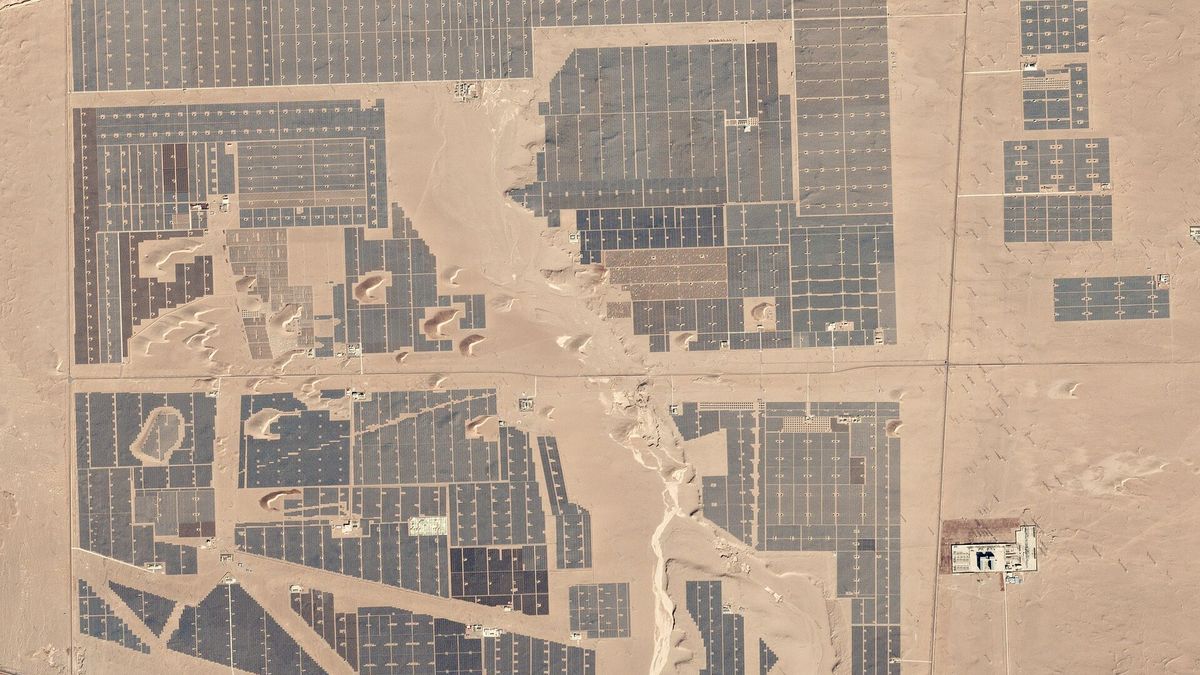
The AP noted that Indonesia has pledged 100 gigawatts of solar by 2029 and that Thailand and Vietnam offer subsidies for rooftop panels. The Philippines became the second-largest destination for Chinese solar exports in the first quarter of 2026, the agency reported. Interest in solar across Southeast Asia rose after the closure of the Strait of Hormuz during the Iran war disrupted fuel supplies, it said.
Grid capacity is the constraint. China and India both installed record renewables but sometimes lose output because transmission and storage lag, the AP reported. China's own build-out has also slowed this year, with solar installations falling 54% in the first nine months of the year.
Coal money aimed at Indonesia and Vietnam
The more direct test for Asian power markets is coal. The Powering Past Coal Alliance launched Coal Transition Partnerships at the talks, aiming to unlock more than $23 billion to help developing countries draft their first phase-out plans, Climate Home News reported. Backers include the Asian Development Bank, the Climate Investment Funds and the European Bank for Reconstruction and Development.
The effort aims to support 10 of the most coal-dependent countries by the 2028 Global Stocktake, a group that includes Indonesia, Vietnam and India, according to the IEA list cited by Climate Home News. Early planning will focus on Kazakhstan, Indonesia and Pakistan. Julia Skorupska, who heads the alliance's secretariat, said countries must do substantial preparatory work before they can apply, and warned that new coal investments risk becoming stranded.
Farah Heliantina, an energy transition official at Indonesia's Ministry of Economic Affairs, told the forum the country's experience shows the shift is hard, the outlet reported. Indonesia's coal sector also feeds captive plants at nickel smelters, and Jakarta plans to drop those smelter plants from its coal domestic market obligation.
The pull toward coal has strengthened this year. After the Iran war disrupted oil and gas markets, China, South Korea, Japan and some European countries turned to coal, Climate Home News reported, citing the IEA. Coal still supplies more than 40% of Australia's electricity even though one in three homes there has rooftop solar, the AP said.
Money for grids is starting to follow. A new Electrify Now Finance Coalition, co-chaired next year by the World Bank, includes the IEA and several development banks, and the Climate Investment Funds announced close to $100 million to de-risk projects, with the aim of mobilizing more than $1.2 billion of private capital, Climate Home News reported.
The next marker is the list of electrification pledge signatories, which organizers have not yet published in full. Negotiators have until Nov. 20 to settle whether the cover decision names clean electricity at all.
Sources
- Associated Press (via ClickOnDetroit): UN climate summit pushes electrification goal as groups call for mining safeguards
- Associated Press (via WPXI): Nations promise to install more rooftop solar at UN climate talks
- Climate Home News: COP31 Bulletin Day 2: Momentum builds on electrification and fossil fuel transition
- Bernama: COP31 Climate Summit Opens In Turkiye Amid Calls For Stronger Action
Our standards: Capital Times reports under the principles set out in our Editorial Standards and Ethics Policy. Spotted an error? Report it to our editors.