Mexican Peso Slides to 19.43 per Dollar, Weakest Since Mid-2025, as Rate Gap Shrinks
A fifth straight daily loss followed faster inflation and Fed minutes pointing to more hikes, eroding the carry trade that powered the super peso.
What to know
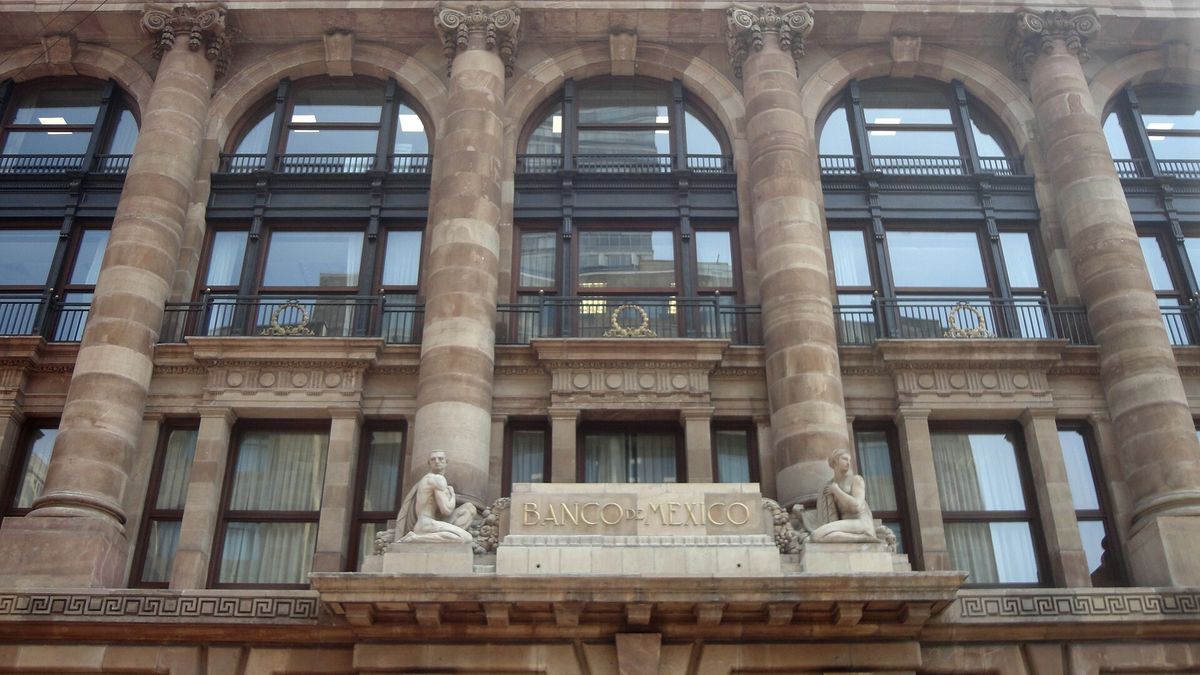
- The peso closed at 19.43 per dollar on Nov. 24, according to Banco de Mexico data, down from 19.18 a day earlier and its fifth straight daily loss.
- Banxico's 6.25% policy rate now sits just 225 basis points above the top of the Fed's 3.75% to 4.00% range, after minutes showed almost all Fed officials saw further hikes as likely.
- Mexican inflation rose to 3.96% in the first half of November, its highest since the first half of May, as electricity jumped 20.74% when a seasonal subsidy ended.
MEXICO CITY
The Mexican peso fell for a fifth straight session on Tuesday and closed at 19.43 per U.S. dollar, its weakest level since mid-2025 according to Saxo, as a shrinking gap between Mexican and U.S. interest rates drained support from the carry trade that had lifted the currency.
The close, from Banco de Mexico data reported by La Crónica, compared with 19.18 pesos on Monday. Dow Jones figures cited by Proyecto Puente put the day's move at 1.35% and the loss over the past week at about 5.5%. Saxo's market note said the peso dropped 1.2% on the day and blamed the narrowing U.S.-Mexico rate differential.
The slide matters well beyond Mexico. The peso has been a favored high-yield currency for global investors, including in Asia, who borrow in cheaper currencies and park the money in Mexican assets. Mexico is also a major production base and export market for Asian manufacturers, so a sharp move in the currency changes both their local costs and the price of the goods they sell there.
The carry cushion is thinning
Two central banks are moving in opposite directions. Banco de Mexico, or Banxico, cut its benchmark rate by 25 basis points to 6.25% in early November. The Federal Reserve has gone the other way: it raised rates in September for the first time in three years and held its target range at 3.75% to 4.00% in October.
That leaves Banxico's rate just 225 basis points above the top of the Fed's range. Minutes of the Fed's October meeting, released Nov. 18, showed that "almost all" participants saw further increases as likely to be appropriate, The Standard reported. Governor Christopher Waller has argued for a 50-basis-point move in December.
Every Fed hike, set against Banxico's easing, cuts the extra return investors earn for holding pesos. Mexico News Daily reported last month that the narrower gap had already reduced the appeal of the carry trade, one of the pillars of the "super peso" that hit its strongest level in more than two years, 16.89 per dollar, on Sept. 4. Tuesday's close leaves the currency about 13% weaker than that peak.
Gabriela Siller, director of economic analysis at Grupo Financiero Base, pointed to three pressures, according to La Crónica: rising expectations for U.S. rates after the Fed minutes, doubts over Colombia's public finances that weighed on the Colombian peso, and a drop in the Chilean peso as copper prices fell. Copper on the London Metal Exchange closed at $11,826 a ton on Tuesday, a 13-month low, Saxo said.
Inflation limits Banxico's room
The peso's fall came on the same day that Mexico's statistics agency, INEGI, reported a pickup in inflation. Consumer prices rose 3.96% in the year to the first half of November, up from 3.88% in the second half of October, Expansión reported. El Economista said it was the highest rate since the first half of May.
The jump came mostly from volatile items. Electricity prices rose 20.74% in the fortnight after a warm-weather tariff subsidy ended in 11 cities, and fruit and vegetable prices climbed 5.50%, with tomatoes up nearly 29%. Non-core inflation reached 4.90%.
The underlying picture was calmer. Core inflation, which strips out food and energy, eased to 3.68%, helped by discounts during the first days of the El Buen Fin shopping event. The biweekly rise of 0.54% was below Banorte's forecast of 0.61%.
Banxico has said that holding its rate at 6.25% for an extended period should bring inflation back to its 3% target, which it expects in the fourth quarter of 2027. It has also said it is watching whether the weaker peso feeds through into consumer prices. A currency that keeps falling would make that pass-through more likely and leave the central bank little room to ease further.
What Asian businesses and investors should watch
The speed of the move has caught forecasters out. In a Citi survey published Oct. 20, 37 banks and research firms put the peso at 18.20 per dollar by the end of 2026, Mexico News Daily reported, with the most bearish forecast at 18.90. The currency is already well past that range.
For Asian companies with plants in Mexico, a weaker peso lowers wages and other local costs measured in dollars, which helps exporters selling into the U.S. market. For Asian firms selling into Mexico, it does the reverse, making imported cars, electronics and parts dearer for Mexican buyers. That adds to the pressure from Mexico's tariffs on Asian goods, including the 50% duty on Chinese cars.
The broader selling across Latin America is also worth tracking. Brazil's real hit a 15-month low earlier this month, and Tuesday's pressure spread to the Chilean and Colombian currencies.
The next markers are U.S. inflation data, the Fed's December decision and Banxico's final policy meeting of the year in December. A Fed hike paired with a Banxico hold would narrow the gap again. Any sign from Banxico that it is done cutting, as inflation drifts higher, could give the peso some relief.
Sources
- La Crónica de Hoy: Peso mexicano registra fuerte caída y cierra en 19.43 pesos por dólar este 24 de noviembre (Nov. 24, 2026)
- Proyecto Puente: Peso mexicano pierde terreno frente al dólar; cierra jornada de 24 de noviembre en 19.44 pesos por unidad (Nov. 24, 2026)
- Expansión: La inflación sube a 3.96% en la quincena en que arrancó El Buen Fin (Nov. 24, 2026)
- El Economista via Yahoo Noticias: Inflación en México se aceleró a 3.96% en la primera quincena de noviembre, su mayor nivel desde mayo (Nov. 24, 2026)
- Federal Reserve: Minutes of the Federal Open Market Committee, October 27-28, 2026 (Nov. 18, 2026)
- The Standard: Almost all Fed policymakers saw further interest rate hikes as likely (Nov. 19, 2026)
- Mexico News Daily: Weakened peso hits one-year low as US-Mexico rate gap narrows (Oct. 22, 2026)
- Saxo: Asia Market Quick Take, 25 November 2026 (Nov. 25, 2026)
Our standards: Capital Times reports under the principles set out in our Editorial Standards and Ethics Policy. Spotted an error? Report it to our editors.