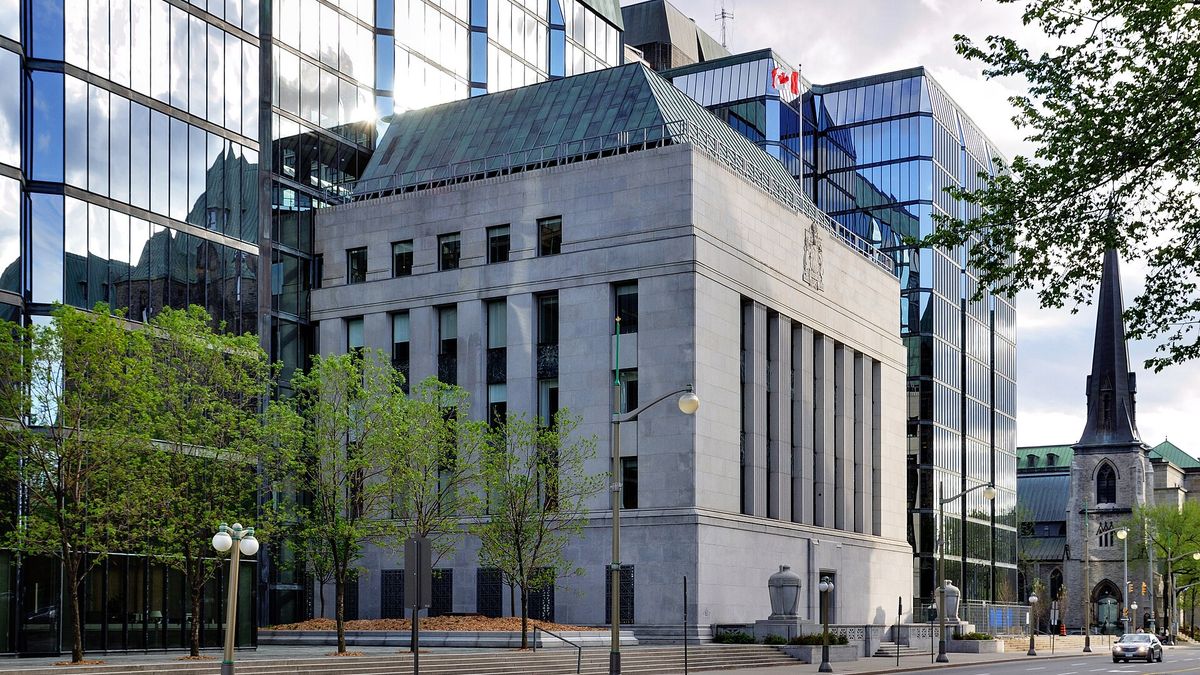
Brazil's Real Slides to 15-Month Low Near 5.59 as Copom Minutes Signal Longer Tight Policy
Central bank minutes said deanchored expectations call for tighter policy for longer, while hotter U.S. inflation pushed the dollar to its highest close against the real since July 2025.
What to know
- The dollar rose 1.46% to 5.586 reais on Nov. 10, its highest close since July 31, 2025, according to Agencia Brasil.
- Minutes of the Nov. 3-4 Copom meeting said all members agreed deanchored expectations require greater monetary restriction for a longer period.
- Copom projects inflation of 5.6% for 2026 and 4.7% for 2027, against a 3% target with a 4.5% ceiling.
SAO PAULO
Brazil's real fell to its weakest level in more than 15 months on Tuesday, Nov. 10, after the central bank published minutes saying interest rates must stay restrictive for longer than usual and hotter U.S. inflation data lifted the dollar worldwide. The dollar rose 1.46% to close at 5.586 reais, its highest finish since July 31, 2025, according to Agencia Brasil. It touched 5.6135 during the session.
For investors in Asia, the move matters on two fronts. Brazil is a top supplier of iron ore, soybeans and oil to China and the wider region, and a weaker real tends to cheapen those exports in dollar terms. It also shows how a stronger dollar and higher oil are squeezing emerging-market central banks at the same time, the bind facing policymakers from Jakarta to Manila.
The real's slide has been steady. The dollar has gained 2.6% against it in the first six trading sessions of November, after a 5.2% rise in October, Agencia Brasil reported. The central bank's own PTAX reference rate stood at 5.5840 per dollar on Tuesday, up from 5.4621 on Nov. 5, the day after policymakers held rates.
What the Copom minutes said
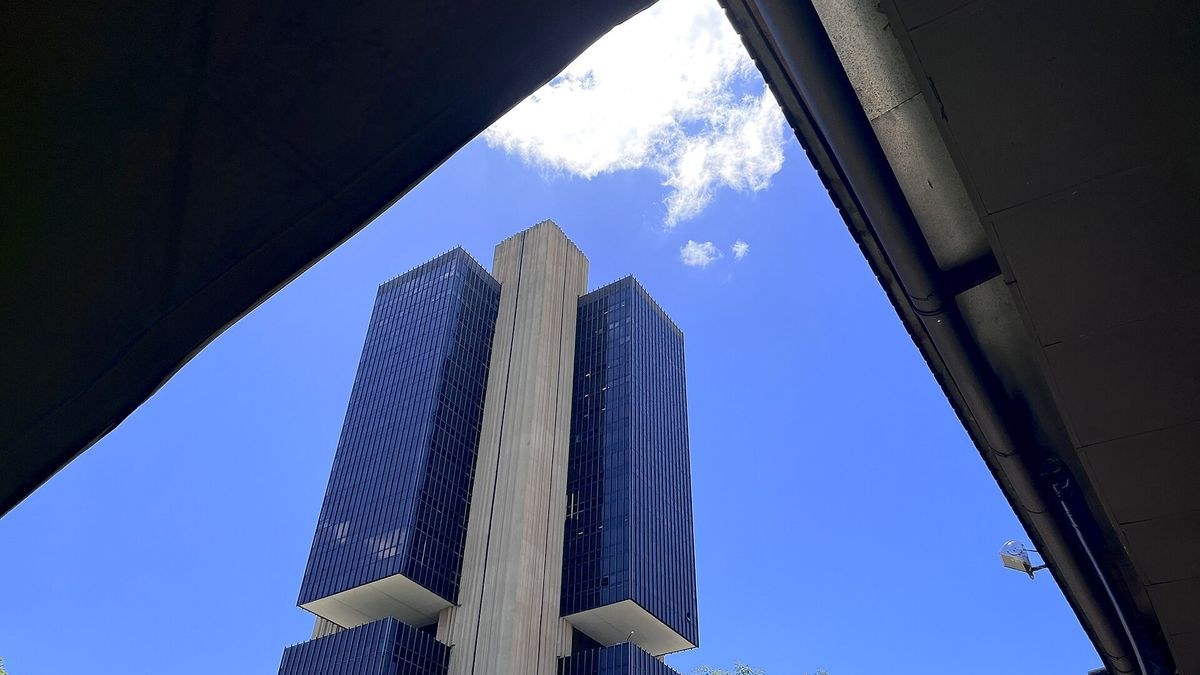
The minutes covered the Nov. 3-4 meeting at which the Monetary Policy Committee, or Copom, held the Selic at 13.75%, ending a run of five cuts since April. The vote was unanimous among the seven members, led by Governor Gabriel Galipolo.
The document went further than the decision statement on one point. All members agreed that when inflation expectations have drifted from target, as they have now, the economy needs "greater monetary restriction" for a longer period than would otherwise be appropriate. The committee said it is closely tracking the deanchoring of longer-term expectations and discussing its possible causes.
Those expectations keep rising. The central bank's Focus survey put inflation at 5.2% for 2026 and 4.8% for 2027, the minutes said. Brazil targets 3% inflation, with a ceiling of 4.5%. Copom's own reference scenario projects 5.6% for 2026, 4.7% for 2027 and 3.5% for the second quarter of 2028, the horizon it now targets. Administered prices are seen rising 6% this year.
Official data show why the bank is uneasy. Consumer prices rose 0.82% in September, lifting 12-month inflation to 4.58% from 4.22% in August, according to the statistics agency IBGE.
Four supply shocks and a slowing economy
The minutes named four supply shocks behind the gloomier outlook: higher oil prices linked to conflict in the Middle East, El Nino's effect on farm output and energy costs, the end of the six-day work week on labor costs, and a weaker exchange rate driven by uncertainty over domestic policy.
Copom said it would not react to the first-round effects of such shocks but would watch for spillovers into wider prices and "react decisively" if they appear.
At the same time, the economy is cooling faster. The minutes said recent indicators point to a sharper slowdown, especially in cyclical sectors, and that retail surveys show a turning point in credit-sensitive segments. Unemployment remains at historically low levels, but job growth is slowing. Average incomes are still rising in real terms faster than labor productivity, a gap the bank monitors for inflation risk.
The committee said a deeper slowdown in demand, with growth below potential, could reduce the risk that the shocks feed into more persistent inflation. That is the main argument doves can point to. The minutes also repeated that weaker fiscal discipline and doubts over stabilizing public debt could raise the neutral interest rate and blunt monetary policy, and called for fiscal and monetary policy to work in harmony.
Markets price higher rates at home and abroad
The dollar's gain came largely from abroad. U.S. consumer prices rose 0.4% in October, above the 0.3% economists expected, Agencia Brasil reported, which lifted bets on a Federal Reserve rate increase in December. The DXY dollar index rose 0.55% to 102.24 late in the day.
Brazilian stocks also slipped. The Ibovespa fell 0.52% to 171,336.99, with the prospect of tight policy at home weighing alongside U.S. rate worries, Agencia Brasil said. The index is still up 2.03% in November and 6.34% this year. Brent crude for January fell 1.17% to $91.49 a barrel, a second straight decline.
The currency's weakness feeds straight back into the central bank's problem. Copom built its forecasts on a starting rate of 5.20 reais per dollar, well below where the real now trades, and listed a persistently weaker currency among its upside inflation risks. Brazilian markets have been volatile since the presidential runoff last month.
The next test is IBGE's full October consumer price index. September's 12-month reading of 4.58% already sits above the 4.5% ceiling, and Copom meets again in December.
Sources
- Banco Central do Brasil: Minutes of the 282nd Meeting of the Monetary Policy Committee (Copom), November 3-4, 2026 (Nov. 10, 2026)
- Agência Brasil: Ata do Copom indica que desaceleração da economia não conteve inflação (Nov. 10, 2026)
- Agência Brasil: Dólar sobe 1,46% e fecha no maior valor em 15 meses (Nov. 10, 2026)
- Banco Central do Brasil: SGS time series 1: dollar exchange rate (PTAX, sell) (Nov. 10, 2026)
- IBGE: IPCA monthly, year-to-date and 12-month change (SIDRA table 7060) (Nov. 10, 2026)
Our standards: Capital Times reports under the principles set out in our Editorial Standards and Ethics Policy. Spotted an error? Report it to our editors.