Tsui Wah Profit Rises 24% as Hong Kong Sales Slide, While Fulum Narrows Its Loss
Two of Hong Kong's best-known local restaurant chains earned more, or lost less, on shrinking sales after closing weaker outlets and cutting costs.
What to know
- Tsui Wah Holdings' profit attributable to shareholders for the six months to Sept. 30 rose 24.1% to HK$6.086 million, even as revenue fell 9.3% to about HK$414 million.
- Tsui Wah's Hong Kong revenue dropped 17.9% to HK$225 million, while its mainland China revenue rose 3.4% to HK$177 million, and it declared no interim dividend.
- Fulum Group's half-year loss narrowed to about HK$23.7 million from HK$34.6 million as revenue fell 16.2% to about HK$600.9 million after it shut loss-making restaurants.
HONG KONG
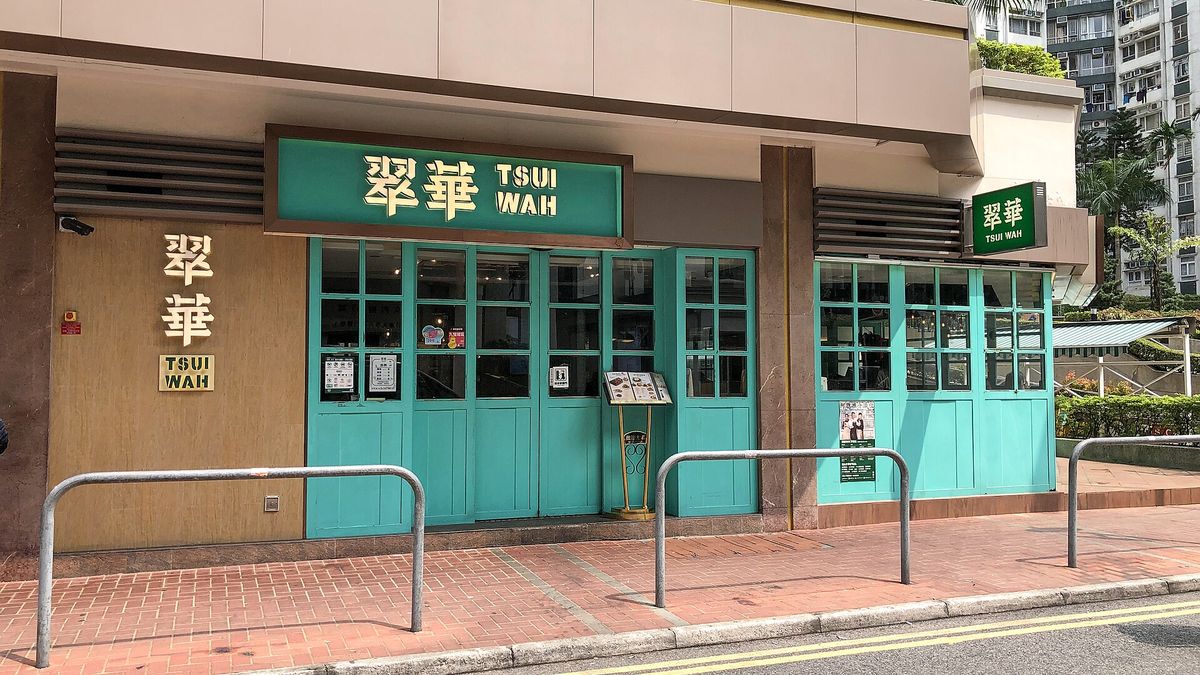
Tsui Wah Holdings, the operator of one of Hong Kong's best-known chains of cha chaan teng tea restaurants, lifted its half-year profit by almost a quarter even as sales in its home city fell sharply, the latest sign that local caterers are protecting margins by shrinking rather than growing.
Profit attributable to shareholders for the six months ended Sept. 30 rose 24.1% to HK$6.086 million, according to results the company filed with the Hong Kong stock exchange on Nov. 27. Revenue fell 9.3% to about HK$414 million, and basic earnings came to 0.46 Hong Kong cent a share. The board declared no interim dividend, saying it wanted to preserve liquidity as revenue fell, particularly in Hong Kong.
Fulum Group Holdings, which runs Cantonese restaurants alongside Korean, Thai, Western and cafe brands in Hong Kong and Macau, reported the same day that its loss narrowed. Both companies' fiscal years end in March, so the figures cover the same April to September period.
Hong Kong sales drop at Tsui Wah
The split by market tells the story. Tsui Wah's Hong Kong revenue fell 17.9% to HK$225 million, while sales in mainland China rose 3.4% to HK$177 million, the filing showed. The city that made the brand is still the bigger market, but its lead over the mainland has narrowed sharply.
A year earlier the picture was reversed. In the six months to September 2025, Hong Kong revenue climbed 13.3% to HK$274.1 million and mainland sales fell 12.6% to HK$171.2 million, according to that period's exchange filing. Group profit then had dropped 23.7% to HK$4.9 million, which the company blamed on higher delivery-related selling costs, finance costs and rents.
Tsui Wah began in the 1960s as a small ice parlor on Kam Lam Street in Mong Kok and listed on the Hong Kong stock exchange's main board in 2012, according to the company. It returned to Central in 2024 with a new flagship concept store.
The group keeps trimming its network. It ran 68 restaurants including joint ventures at the end of September 2026, down from 70 a year earlier, with 27 in Hong Kong, 30 in mainland China, four in Macau and seven in Singapore. In Hong Kong it closed its TKO Gateway branch when the lease ran out and turned a Ceylon-brand shop in Jordan into a Tsui Wah. On the mainland it shut two stores and now has three outlets at Guangzhou Baiyun International Airport, with a fourth due in early December.
The profit gain came from costs rather than diners. Revenue fell by about HK$42 million, and the company credited lower rents and related expenses, plus lower depreciation and amortization, for the improvement. Management said it remains optimistic that government efforts to boost local spending and tourism will help.
Fulum cuts its loss by closing restaurants
Fulum's loss attributable to owners narrowed to about HK$23.7 million from about HK$34.6 million a year earlier, the company said in its exchange filing and a statement distributed by Media Outreach Newswire. Revenue fell 16.2%, or about HK$116.1 million, to about HK$600.9 million. Gross margin slipped to about 72.9% from 74.3%, and sales at its main Fulum Chinese Cuisine brand dropped 27.6%.
The company tied the drop in sales directly to its own restructuring. During the half it closed, repurposed or rebranded restaurants that had been losing money for a long time, and it said tighter cost control improved profitability even as labor, rent and food ingredient costs stayed high across the industry. It described Hong Kong's catering sector as facing severe operating challenges.
Fulum said it ran 87 restaurants in Hong Kong and Macau under its own brands, including 14 under its Fulum Chinese Cuisine banner, 60 under Fulum Concept and seven self-operated outlets in five food courts, as of Sept. 30. The filing does not itemize the remaining six. It has also been trying new formats: a Korean tavern called YUSANG in Central, a Chinese restaurant named Agate at the M+ museum, and a food court at Harbour City in Tsim Sha Tsui run as a joint venture with a Singapore-listed restaurant group.
Chief Executive Samuel Yeung said management would take "a prudent approach, maintaining sufficient cash flow and operational flexibility." The company said it would keep launching brands, explore overseas markets and use AI tools to improve service and efficiency.
Same playbook across the sector
The two results follow a now familiar pattern among Hong Kong's listed caterers. Cafe de Coral more than doubled its interim profit on slightly lower revenue after closing weaker stores, and Fairwood tripled its interim dividend as profit jumped.
The comparison base is low. In a September 2025 review of the sector, Dimsum Daily reported that Tsui Wah's earnings had dropped by nearly 70% and that Fulum had swung to a HK$66.4 million loss. Official data have shown only a modest pickup in citywide dining, as Capital Times reported in its look at third-quarter restaurant receipts.
For investors, the question is whether closing restaurants can keep lifting earnings once the weakest sites are gone. Tsui Wah and Fulum are small companies, but their Hong Kong sales offer a direct read on how often people in the city still sit down for a meal at local chains. The next tests are the year-end holiday season and the Lunar New Year, which fall in the second half of both companies' fiscal years.
Sources
- on.cc: 翠華控股上半年多賺24% 惟香港區收益降18% (Nov. 27, 2026)
- Jiemian News: 翠华控股:上半年公司拥有人应占溢利608.6万港元 (Nov. 27, 2026)
- Fulum Group Holdings via Media Outreach Newswire (Malaysia World News): Fulum Announces Interim Results (Nov. 28, 2026)
- Arabian Post via MENAFN: Fulum Announces Interim Results (Nov. 28, 2026)
- Tsui Wah Holdings (HKEXnews): Interim results announcement for the six months ended 30 September 2026 (Nov. 27, 2026)
- Fulum Group Holdings (HKEXnews): Announcement of unaudited interim results for the six months ended 30 September 2026 (Nov. 27, 2026)
- Tsui Wah Holdings (HKEXnews): Interim results announcement for the six months ended 30 September 2025 (Nov. 26, 2025)
- Dimsum Daily: Hong Kong's spending squeeze and the split in F&B fortunes (Sept. 3, 2025)
- Tsui Wah Holdings: Key Milestones
Our standards: Capital Times reports under the principles set out in our Editorial Standards and Ethics Policy. Spotted an error? Report it to our editors.