Hong Kong Restaurant Receipts Rise 3.1% to HK$27.5 Billion as September Spending Jumps
Non-Chinese restaurants led the gain and September receipts rose 6.9%, but food costs grew faster than sales and small firms still report contraction.
What to know
- Hong Kong restaurant receipts rose 3.1% from a year earlier to a provisional HK$27.5 billion in the third quarter of 2026, according to the Census and Statistics Department.
- Receipts at non-Chinese restaurants rose 7.1% in value, while Chinese restaurants gained 1.2% and fast food shops 0.6%.
- Restaurant purchases rose 5.4% to HK$9.0 billion, faster than receipts, and the SME business receipts index stood at 43.8 in October, below the 50 mark.
HONG KONG
Hong Kong's restaurants took in a provisional HK$27.5 billion in the third quarter of 2026, up 3.1% from a year earlier, as spending picked up month by month and jumped 6.9% in September, the Census and Statistics Department said last week.
The figures matter for investors in listed caterers, mall landlords and consumer brands across the region, because dining is one of the clearest reads on local and visitor spending in the city. The third-quarter gain was faster than the 1.5% rise in receipts for the first nine months of 2026 as a whole, which implies a weak first half. The government described the quarterly increase as accelerated growth, with gains across every type of restaurant.
After stripping out price changes, the volume of restaurant receipts rose 2.1% from a year earlier. On a seasonally adjusted basis, receipts rose 2.5% in value and 1.6% in volume from the second quarter.
Non-Chinese Restaurants Lead Hong Kong's Dining Gains
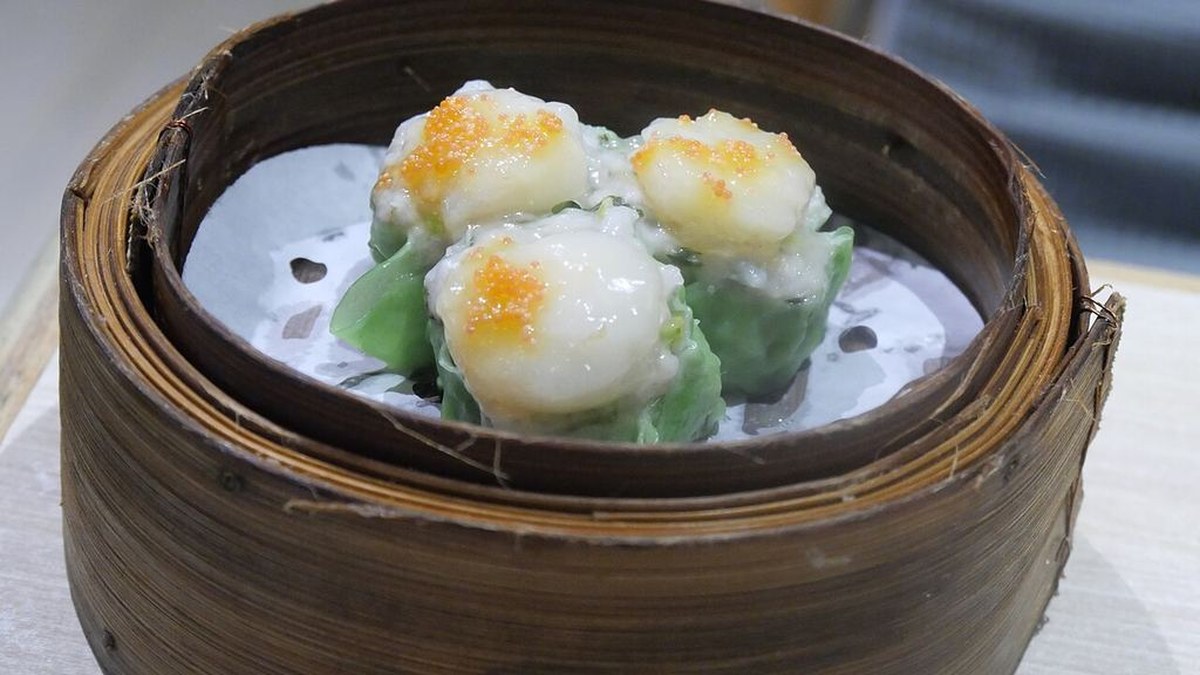
The split by restaurant type shows where diners are spending. Receipts at non-Chinese restaurants rose 7.1% in value and 6.1% in volume, by far the strongest performance in the data.
Chinese restaurants, the largest traditional segment, grew much more slowly: receipts rose 1.2% in value and only 0.3% in volume. Fast food shops posted a 0.6% gain in value but a 0.4% fall in volume, meaning customers paid more but bought slightly less. Bars rose 1.0% in value. Miscellaneous eating and drinking places gained 2.1%.
The monthly pattern was uneven. Receipts rose 0.4% in July, 2.0% in August and 6.9% in September from the same months of 2025. In volume terms, July showed a 0.4% decline before gains of 1.0% in August and 5.9% in September.
A government spokesman attributed part of the September jump to the earlier arrival of the Mid-Autumn Festival this year, which pulled festive dining into that month. That calendar effect means the October figures, when they come, may look softer by comparison.
Food Costs Outpace Sales
The less flattering number for operators sits in the purchases line. Restaurants spent a provisional HK$9.0 billion on purchases in the quarter, up 5.4% from a year earlier, faster than the 3.1% growth in receipts. If that gap persists, it points to pressure on margins for operators that cannot pass on higher ingredient costs.
Small businesses remain cautious. The department's monthly survey of small and medium-sized enterprises, released on Tuesday, showed the current diffusion index on business receipts at 43.8 in October, barely changed from 43.7 in September. A reading below 50 indicates that conditions are generally unfavourable. The outlook index for November was 46.8. The survey covers about 600 firms with fewer than 50 staff, so the department cautions that results should be read with care.
A government spokesman said SME sentiment was "broadly stable in October," and noted that the overall employment index improved for a second straight month.
Retail Sales and Visitors Set the Backdrop
The restaurant data arrived alongside retail sales figures for September. Total retail sales rose 6.4% from a year earlier to a provisional HK$33.4 billion, the 17th consecutive month of year-on-year growth, according to the department. Sales of jewellery, watches and clocks, and valuable gifts rose 20.3%, while department store sales fell 4.1% and supermarket sales fell 1.0%.
The longer view is less buoyant. On a seasonally adjusted basis, retail sales value slipped 0.1% in the third quarter from the second, and volume fell 0.2%. Online sales, at HK$4.4 billion, made up 13.1% of the September total and rose 12.0% from a year earlier.
The government linked part of the September retail gain to higher visitor arrivals. Hong Kong drew a 22% rise in visitor arrivals in September, driven by mainland tourists, and officials have kept their 53.8 million arrivals target for the year.
In its commentary on the restaurant figures, the government said rising labour earnings, a series of upcoming mega-events and continued growth in inbound tourism should support restaurant business, while it would keep monitoring "evolving external headwinds."
The department will publish revised third-quarter restaurant figures, with a full monthly breakdown, from Dec. 18. October retail sales are the next test of whether the September lift in consumer spending held once the festival effect faded.
Sources
- Hong Kong SAR Government (Census and Statistics Department): Provisional statistics of restaurant receipts and purchases for third quarter of 2026 (Nov. 3, 2026)
- Hong Kong SAR Government (Census and Statistics Department): Provisional statistics of retail sales for September 2026 (Nov. 3, 2026)
- Hong Kong SAR Government (Census and Statistics Department): Results of monthly survey on business situation of small and medium-sized enterprises for October 2026 (Nov. 10, 2026)
Our standards: Capital Times reports under the principles set out in our Editorial Standards and Ethics Policy. Spotted an error? Report it to our editors.