Hong Kong Inflation Quickens to 2.2% in October as Rates Relief Ends, Utility Bills Climb
Headline consumer prices beat forecasts, but underlying inflation eased to 2.0%, and the government says pressure outside fuel remains contained.
What to know
- Hong Kong's Composite Consumer Price Index rose 2.2% year on year in October, up from 1.9% in September and above the 2.0% economists expected.
- Underlying inflation, which strips out one-off government relief, eased to 2.0% from 2.1%, according to the Census and Statistics Department.
- Electricity, gas and water charges rose 12.7% from a year earlier, the steepest increase of any component, while basic food prices fell 0.8%.
HONG KONG
Hong Kong's consumer prices rose faster than expected in October, as the end of a government rates concession and sharply higher utility charges lifted the headline figure above market forecasts.
The Composite Consumer Price Index climbed 2.2% from a year earlier, up from 1.9% in September, data from the Census and Statistics Department showed on Nov. 20. Economists had forecast 2.0%, The Standard reported. The department attributed the pickup mainly to the expiry of the rates concession in September, according to Dimsum Daily.
The underlying picture was calmer. Stripping out the effect of one-off government relief measures, inflation eased to 2.0% from 2.1% in September, moving in the opposite direction to the headline.
For investors, the gap between the two measures is the main point. A headline jump driven by an expiring concession reflects the timing of government relief rather than stronger demand, and the underlying rate shows little sign of broad price pressure outside fuel.
Utility bills lead the increases
Electricity, gas and water charges posted the steepest rise of any component, up 12.7% from a year earlier, slightly below September's 12.9%. Transport costs rose 4.5%, down from 5.2% the month before, while miscellaneous services climbed 5.0%.
Most other categories rose modestly. Housing costs were up 1.4%, as were durable goods and miscellaneous goods. Meals out and takeaway food rose 0.9%, and clothing and footwear gained 0.5%, Dimsum Daily reported.
Two categories fell. Basic food prices dropped 0.8% from a year earlier, a deeper decline than September's 0.2%, and alcoholic drinks and tobacco slipped 0.4%.
The rise was most visible among households with the smallest budgets. The CPI(A), which tracks spending patterns of the lowest-spending fifth of households, rose 2.0% in October after 1.4% in September. Excluding one-off relief, its rate was unchanged at 1.7%, which suggests the expiring concession explains the jump. The CPI(B) rose 2.2% and the CPI(C), covering higher-spending households, held at 2.3%.
On a seasonally adjusted basis, the composite index rose an average of 0.3% a month in the three months to October, up from 0.2% in the three months to September. Over the first ten months of 2026, headline consumer prices were 1.8% higher than a year earlier, and 1.7% higher on the underlying measure, Dimsum Daily reported.
Officials expect fuel to keep pushing prices up
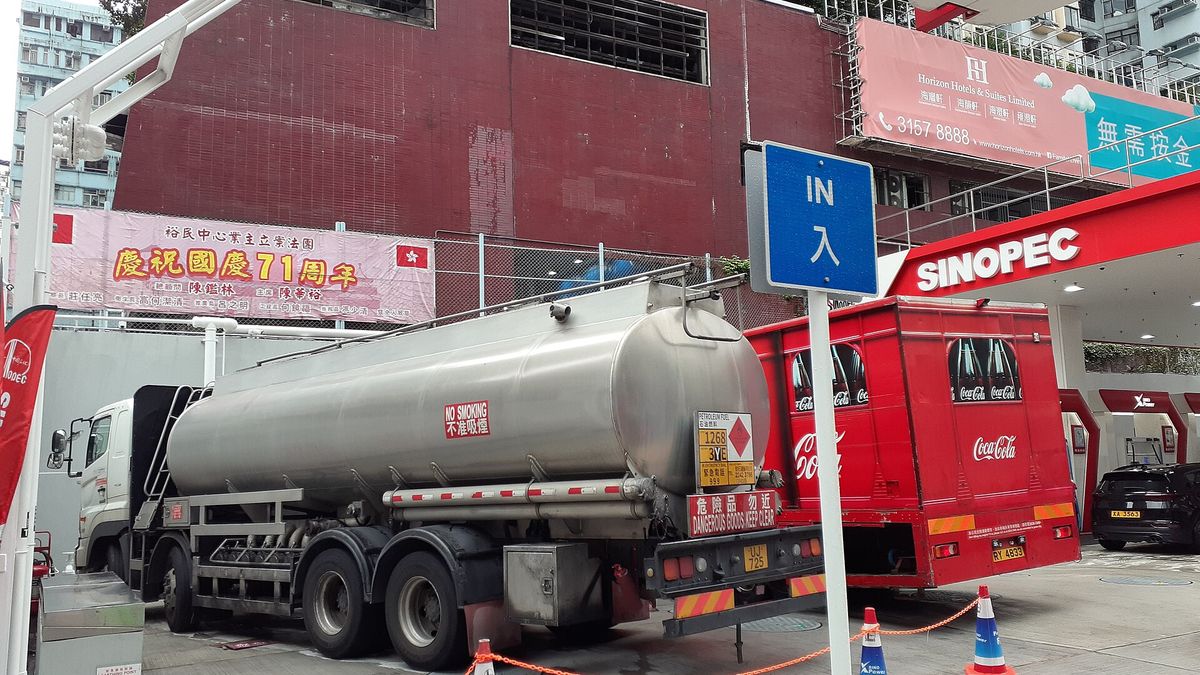
A government spokesman said fuel-related prices continued to rise noticeably in October but had limited knock-on effects on other items, most of which posted modest increases or declines.
He said earlier increases in international oil prices "will continue to feed through to local consumer prices of fuel-related items," according to The Standard. He added that he expected other prices to stay largely contained, so overall inflation should stay moderate. The government's economic analysis unit identified geopolitical tensions as the main near-term uncertainty for global fuel prices.
The October reading sits close to the government's own projections. On Nov. 13, officials cut their 2026 forecast for underlying inflation to 1.9% from 2.5%, and for headline inflation to 2.0% from 2.6%, citing slower than expected pass-through of oil prices and earlier fuel subsidies.
The same release confirmed that the economy grew 5.2% in the third quarter, powered by exports of AI-related electronics. Consumer spending has also held up: retail sales value rose 6.4% from a year earlier in September, the 17th consecutive month of year-on-year growth, according to the government's economic analysis unit.
What to watch
The next consumer price release, covering November, is due in December. Economists will be watching whether the headline rate settles back once the rates concession effect works through the year-on-year comparison, and whether fuel pass-through begins to spread into services such as transport fares.
The labor market gives the government some room. The unemployment rate fell 0.1 percentage point to 3.8% in the August to October period, according to the latest official figures, while underemployment held at 2.0%.
With underlying inflation at 2.0%, close to the government's 1.9% forecast for the year, officials see little sign of broad price pressure. The bigger variable for Hong Kong households remains the price of oil, which officials say is still feeding into fuel-related charges.
Sources
- The Standard: Hong Kong logs hotter-than-expected 2.2pc inflation in October, fuel costs up 12pc (Nov. 20, 2026)
- Dimsum Daily: Hong Kong inflation edges up to 2.2% in October after rates concession ends (Nov. 20, 2026)
- Xinhua: Hong Kong's CPI up in October (Nov. 20, 2026)
- Hong Kong SAR Government, Economic Analysis and Business Facilitation Unit: Hong Kong Economy: Latest Developments (Nov. 20, 2026)
- The Standard: Hong Kong CPI rises 1.9pc in September (Oct. 22, 2026)
Our standards: Capital Times reports under the principles set out in our Editorial Standards and Ethics Policy. Spotted an error? Report it to our editors.