Hesai Q3 Revenue Rises 34% to RMB1.07 Billion but Falls Short of Its Own Guidance
The Hong Kong- and Nasdaq-listed lidar maker shipped fewer sensors than investors had been told to expect, while its robotics side business grew faster than planned.
What to know
- Hesai's third-quarter net revenue rose 34.3% to RMB1,068.3 million, below the RMB1,100 million to RMB1,150 million range it guided to in August.
- Net income fell 68.5% to RMB80.8 million because the year-earlier quarter included RMB185.1 million of one-time gains.
- Lidar shipments rose 65.3% to 729,673 units, while robotic actuation module shipments nearly doubled from the second quarter to 23,405.
HONG KONG
Hesai Group said third-quarter revenue rose 34.3% from a year earlier to RMB1,068.3 million (US$159.3 million), a solid gain that still fell short of the RMB1,100 million to RMB1,150 million range the lidar maker had promised investors in August.
The Shanghai-based company, which trades in Hong Kong under the code 2525 and on Nasdaq as HSAI, reported the unaudited results on Nov. 10. For investors in Hong Kong's crop of Chinese technology listings, Hesai is one of the few hardware names that has been profitable for a sustained run. The miss puts the focus back on whether China's car market can keep absorbing sensors at the pace the company planned for, and on how much of its growth story now rests on robotics.
Gross margin slipped to 41.0% from 42.1% a year earlier, which the company put down to a larger share of revenue from lower-margin products. Net income fell 68.5% to RMB80.8 million. The comparison is distorted: the third quarter of 2025 included RMB185.1 million of one-time income from selling an equity investment and transferring intellectual property. It was still Hesai's sixth consecutive quarter of profit under U.S. accounting rules, according to the release.
Hesai lidar shipments trail the plan
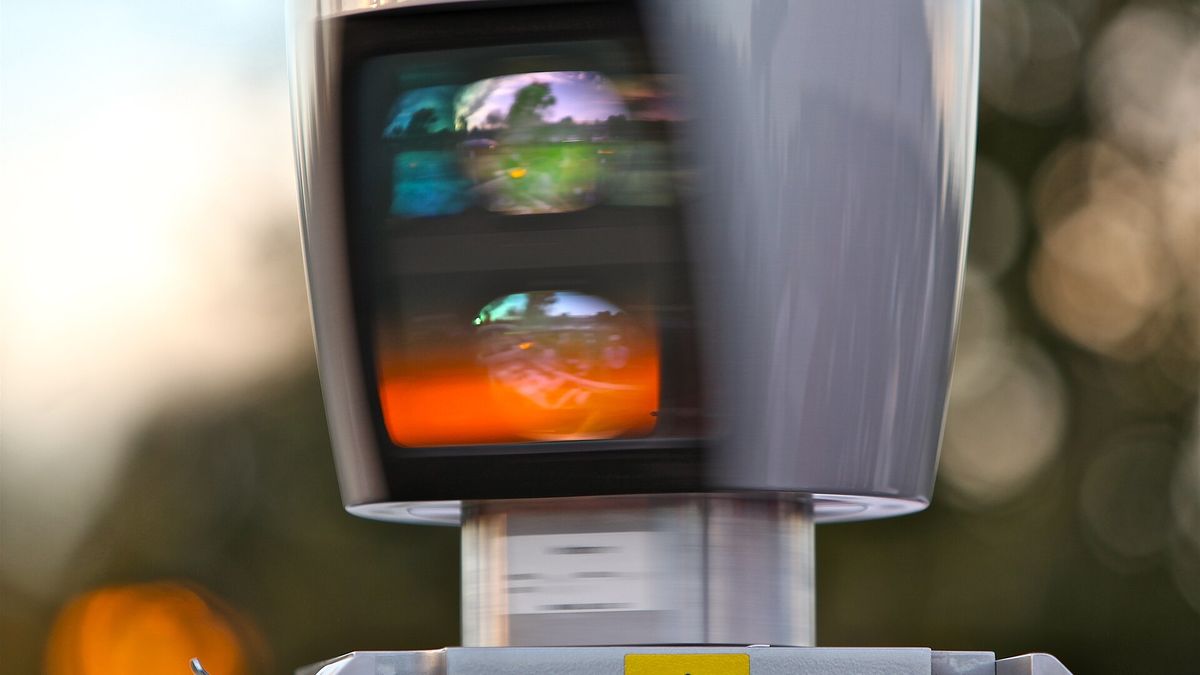
Hesai shipped 729,673 lidar units in the quarter, up 65.3% from 441,398 a year earlier. Units for advanced driver-assistance systems in passenger cars rose 67.6% to 638,055, and sensors sold for robotics uses, including robotaxis, rose 51.1% to 91,618.
That was short of the 800,000 to 850,000 units the company had guided for the quarter, according to an Earnings Whispers preview published on Finviz before the report. The same preview said Hesai was aiming for 3 million to 3.5 million lidar shipments for the full year. Through September it had shipped 1,829,671 units, which would leave well over a million to deliver in the fourth quarter to reach even the low end.
Chief Financial Officer Andrew Fan pointed to headwinds in the broader automotive market. The lidar business itself became more profitable: its operating income rose 88% to RMB145.5 million, the company said. Lidar segment revenue rose 22.9% to RMB977.8 million.
Hesai also listed new orders. It said it won main lidar contracts for its premium ET series with five global carmakers, including Cadillac, Geely, Great Wall Motor and an unnamed top European manufacturer, with a combined order book of more than 1 million units. It added a design win with Wuling for high-volume, mass-market models, and wins with seven carmakers, including Chery, for possible export programs. Citing industry tracker Gasgoo, Hesai said it held 43% of China's long-range driver-assistance lidar market in September.
Robotics business ahead of target
The faster-growing part of the business is what Hesai calls its Strategic Growth Initiatives, a segment that sells robotic actuation modules (the motorized joints used in humanoid robots and robotic hands) and Kosmo, a 3D scanning camera and cloud platform launched globally on Oct. 14.
That segment brought in RMB90.5 million of revenue in the third quarter. Fan said revenue for the first nine months had already passed the original full-year target of RMB100 million, and the company kept its 2026 goal of RMB200 million to RMB300 million, which it raised in August. Actuation module shipments rose 97% from the second quarter to 23,405 units. Hesai said monthly capacity has reached 10,000 units and it expects annual shipments in six figures in 2027.
The push is costing money. Research and development spending rose 27.8% to RMB254.0 million, which the company tied in part to investment in the new segment. Group operating income fell 19.1% to RMB62.6 million, well below the lidar unit's own operating profit, which implies the new businesses lost about RMB83 million at the operating level. In August, Hesai said it expected the segment to reach about US$100 million in revenue and break even in 2027.
Chief Executive Yifan "David" Li called lidar "a scaled, profitable cash engine" and cited a partnership with JD.com to supply sensing technology for the retailer's planned robot fleet. Hesai held cash reserves of RMB6,977.1 million at the end of September, little changed from RMB7,050.6 million three months earlier.
Fourth-quarter guidance repeats the missed range
For the fourth quarter, Hesai guided revenue of RMB1,100 million to RMB1,150 million (US$164 million to US$172 million), the same range it set for the third quarter and then missed. Including the third quarter, revenue for the first nine months came to about RMB2.61 billion, based on the company's second- and third-quarter releases.
Investors arrived at the report already cautious. Hesai's Nasdaq-listed shares had fallen 22% since the previous earnings call to about US$12.30, against a 200-day average near US$19.81, according to the Earnings Whispers preview. Hesai added its Hong Kong listing in September 2025, raising US$614 million, according to Bamboo Works, an early entrant in the wave of Chinese tech listings behind the city's record fundraising this year.
The next test is the fourth-quarter shipment count, and whether the RMB1.1 billion floor holds this time. The company has scaled its actuation module line to 10,000 units a month, so the shipment figure for that business in the fourth quarter will show how much of the capacity customers are using.
Sources
- Hesai Group (Form 6-K, U.S. Securities and Exchange Commission): Hesai Group Reports Third Quarter 2026 Unaudited Financial Results (Nov. 10, 2026)
- Hesai Group (Form 6-K, U.S. Securities and Exchange Commission): Hesai Group Reports Second Quarter 2026 Unaudited Financial Results (Aug. 18, 2026)
- Earnings Whispers via Finviz: Hesai Must Prove Its Back-Half LiDAR Ramp And Robotics Pivot As Shares Sink (Nov. 3, 2026)
- Bamboo Works: Hesai news wrap
Our standards: Capital Times reports under the principles set out in our Editorial Standards and Ethics Policy. Spotted an error? Report it to our editors.