Australian Bond Yields Slide as Split RBA Lifts Rate to 4.85%, an 18-Year High
Three of nine board members voted to hold and the bank dropped a line about further hikes, pulling the 3-year yield below the new cash rate.
What to know
- The Reserve Bank of Australia raised its cash rate 25 basis points to 4.85% on Nov. 3, its fifth increase of 2026 and the highest level since 2008, in a 6-3 vote.
- Australia's 3-year government bond yield fell 7 basis points to 4.79% and the 10-year yield slipped to 5.10% on the day of the decision, according to YieldReport.
- The RBA dropped September's line about raising rates further if needed, and Governor Michele Bullock said the board was preserving its options.
SYDNEY
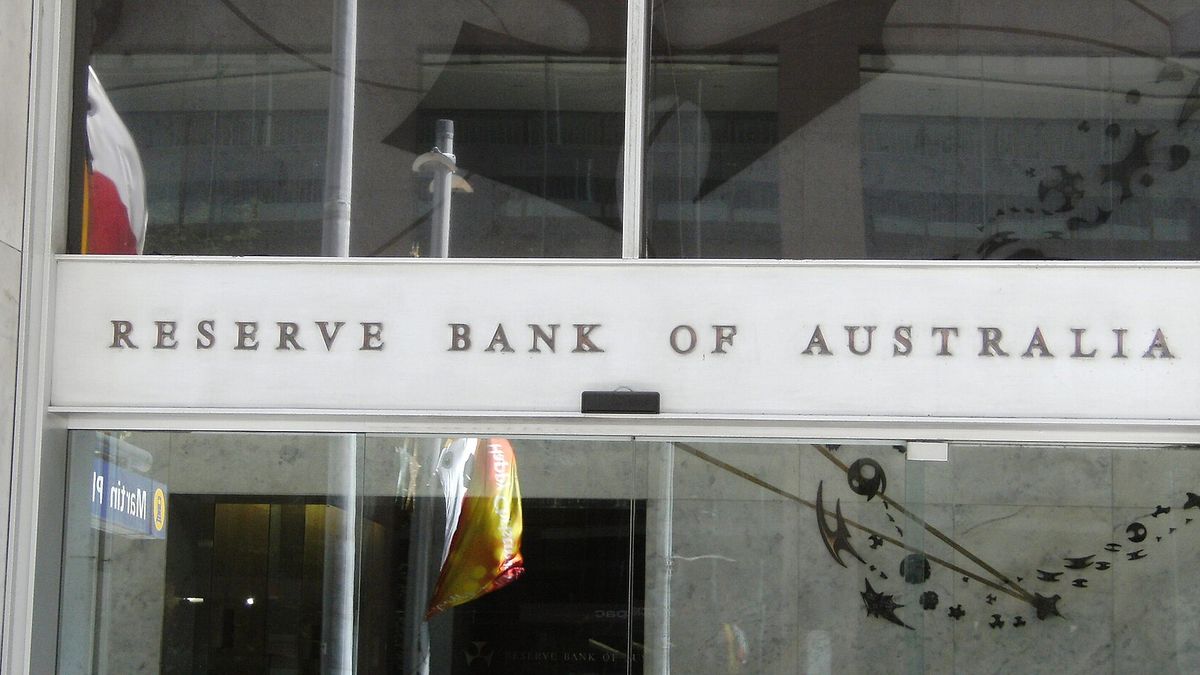
Australian government bond yields fell after the Reserve Bank of Australia raised its cash rate by 25 basis points to 4.85% on Tuesday, its highest level since 2008, as investors seized on a 6-3 split on the bank's Monetary Policy Board and the removal of a line saying it could raise rates further if needed.
The 3-year yield fell 7 basis points to 4.79% on the day of the decision and the 10-year yield slipped 3 basis points to 5.10%, according to YieldReport, which said the move left the 2-year yield of 4.82% just below the new cash rate. The 10-year kept easing and was around 5.02% on Thursday, Trading Economics data showed.
For investors in Asia, the decision leaves Australia's policy rate among the highest in the developed world. Before the hike, Australia's 4.6% cash rate was the second-highest of 41 advanced economies tracked by the International Monetary Fund, behind only Iceland's 8%, SBS News reported. The RBA itself noted that Chinese bond yields have barely moved since August, while yields in the rest of emerging Asia have generally risen less than in advanced economies.
The RBA's Fifth Hike of 2026
Tuesday's move was the fifth increase in seven meetings this year, taking the cash rate up 125 basis points from 3.60% at the start of the year, according to the RBA's cash rate records. The rate was last higher in late 2008, when it stood at 5.25% before a cut in December of that year.
For bond traders, the vote mattered more than the hike. Six members backed the increase and three wanted to keep the rate at 4.60%, the RBA said. The board's previous hike, on Sept. 29, was unanimous.
The board cited broadly based inflation, a materially higher staff forecast and signs that fuel costs are spreading to other prices. It also judged domestic capacity pressures a little tighter than it had thought.
Headline inflation was 3.9% in the year to the September quarter and the trimmed mean measure was 3.7%, according to the bank's Statement on Monetary Policy, after core inflation beat forecasts last week. The RBA now expects headline inflation to peak at 4.5% in the December quarter and both measures to stay above 3% until late 2027, before reaching the 2.5% midpoint of its 2% to 3% target around mid-2028. It forecasts the unemployment rate, which averaged 4.6% in the September quarter, to rise to 5.1% by the end of 2028.
What the RBA Dropped, and How Bond Traders Read It
In its September statement, the board said it would do what was necessary to return inflation to target, "including increasing the cash rate target further if needed." The November statement kept the first part of that sentence and dropped the rest, a change Market Index and Yahoo Finance Australia flagged on Tuesday.
Asked at her press conference whether the change and the three dissents meant the RBA was on hold, Governor Michele Bullock said it should not be taken to mean anything in particular and that she does not give forward guidance. With the last couple of increases yet to flow through the economy, it was a good point to take stock of the data, she said.
Later she rejected readings in either direction. "We're basically preserving our options," she said, according to the RBA's transcript.
Bullock said the members who voted to hold gave more weight to downside risks. They saw housing already reacting, unemployment drifting higher and no sign that wage growth was speeding up, and after four increases this year they preferred to wait for more data, she said.
Markets took the split as a sign the bank may pause. Marc Jocum of Global X said the 6-3 result suggests the RBA may wait to gauge the effect of its tightening, YieldReport reported.
Before the meeting, futures implied about a one-in-three chance of a further increase to 5.10% by May 2027, down from about one in two a week earlier, according to Market Index. In early trading after the decision, futures put the odds of a December increase at around 10%, up from close to zero, and did not point to a rate cut before April 2028, it said.
Where Australian Yields Go From Here
The longer end of the curve had already rallied before the meeting. The 10-year yield ended Tuesday 24 basis points lower than a month earlier, according to YieldReport, after falling to an eight-week low at the end of October. The RBA said Australian government bond yields remain around their highest levels in many years, though they have eased a little in recent weeks along with yields offshore.
Policy is already tight by the bank's own yardstick. The cash rate sits slightly above the top of the range of central estimates of the neutral rate, the level that neither stimulates nor restrains the economy, and the RBA judged financial conditions to be restrictive.
Economists remain divided. In notes before the meeting, UBS saw the risks skewed toward a move to 5.10%, most likely in February 2027, while Morgan Stanley expected the RBA to stay on the sidelines as demand softens, Market Index reported. Ivan Colhoun, chief economist at CreditorWatch, expects rates to hold until at least February, Yahoo Finance reported.
The October monthly inflation figures and September-quarter gross domestic product data both arrive before the board's final meeting of the year, on Dec. 7-8.
Sources
- Reserve Bank of Australia: Statement by the Monetary Policy Board: Monetary Policy Decision (Nov. 3, 2026)
- Reserve Bank of Australia: Media Conference: Monetary Policy Decision, 3 November 2026 (Nov. 3, 2026)
- Reserve Bank of Australia: Statement on Monetary Policy, November 2026: Overview (Nov. 3, 2026)
- Reserve Bank of Australia: Statement on Monetary Policy, November 2026: Financial Conditions (Nov. 3, 2026)
- Reserve Bank of Australia: Statement on Monetary Policy, November 2026: Outlook (Nov. 3, 2026)
- Reserve Bank of Australia: Statement by the Monetary Policy Board: Monetary Policy Decision (September 2026) (Sept. 29, 2026)
- Reserve Bank of Australia: Cash Rate Target (Nov. 4, 2026)
- Reserve Bank of Australia: Board Meeting Schedules (Nov. 4, 2026)
- YieldReport: Australian bond market, 3 November 2026 (Nov. 4, 2026)
- Market Index: RBA hikes interest rate to 4.85%, but a split vote hints the end may be near (Nov. 3, 2026)
- SBS News: RBA's Cup Day call takes rates to 18-year high; board divided over decision, as it happened (Nov. 3, 2026)
- Yahoo Finance Australia: Telling words removed from RBA statement (Nov. 3, 2026)
- Trading Economics: Australia 10-Year Government Bond Yield (Nov. 4, 2026)
Our standards: Capital Times reports under the principles set out in our Editorial Standards and Ethics Policy. Spotted an error? Report it to our editors.