Bank of Canada Raises Rate to 2.5% in First Hike Since 2023 as Oil Keeps Inflation Near 3%
Governor Tiff Macklem said more increases are possible, adding Canada to the list of central banks tightening as energy costs spread through prices.
What to know
- The Bank of Canada raised its overnight rate target by 25 basis points to 2.5% on Oct. 28, its first increase since July 2023.
- The bank now expects CPI inflation to reach about 3.5% by the end of 2026 and to average 3% in 2027, one percentage point above its July projection.
- Governor Tiff Macklem said further hikes could be needed, with the next rate decision due Dec. 9.
OTTAWA
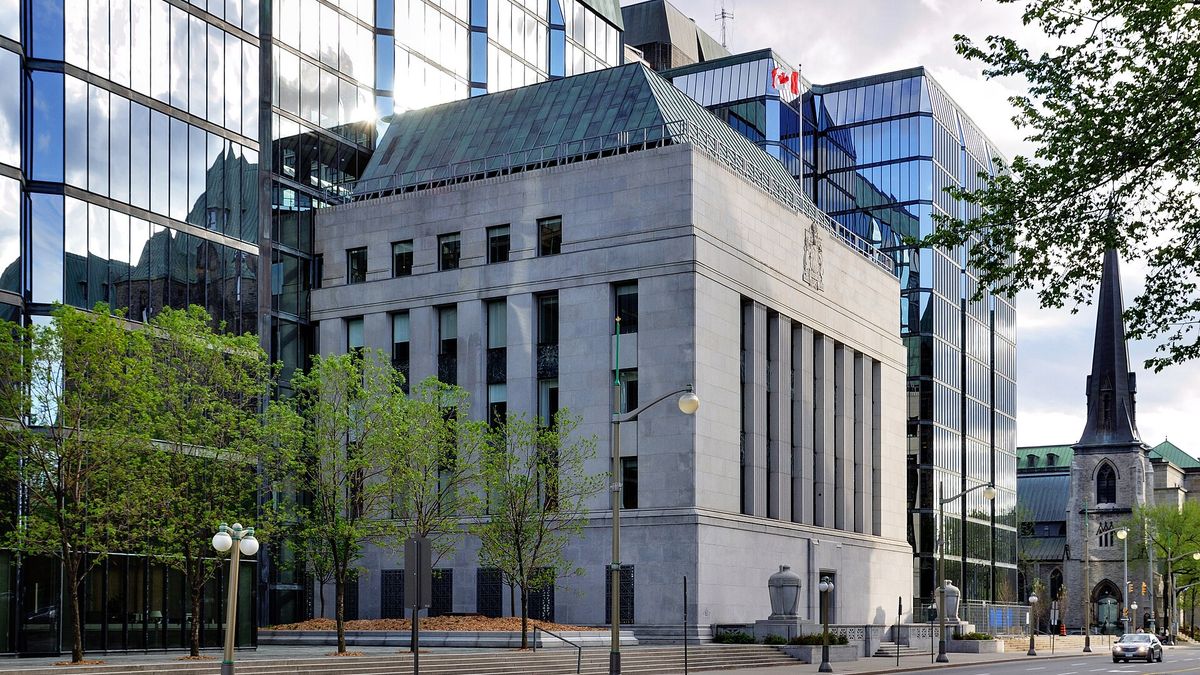
The Bank of Canada raised its benchmark interest rate by a quarter point to 2.5% on Wednesday, its first increase since July 2023, and said it may need to go further as high oil prices keep Canadian inflation near 3%.
The decision puts Canada on the tightening side of the ledger, alongside a turn already under way in much of Asia, where energy costs have pushed several central banks to lean toward higher rates this year. For Asian investors who hold Canadian government bonds, the Canadian dollar or Canadian energy and resource stocks, the message from Ottawa is that the inflation shock from the Middle East conflict is lasting longer than central banks expected in the summer.
The bank also set its Bank Rate at 2.75% and its deposit rate at 2.45%, according to its statement.
Why the Bank of Canada Raised Rates
The bank raised its inflation forecasts from its July Monetary Policy Report. The conflict in the Middle East is in its eighth month with no clear path to resolution, the bank said, and prolonged high energy prices are adding to the persistence of inflation.
CPI inflation has hovered around 3% since April. The bank now expects it to climb to about 3.5% by year end and to average 3% in 2027, a full percentage point above the July projection. It does not see inflation returning to the 2% target until the middle of 2028.
The case for waiting was not weak. Inflation excluding gasoline was 2.2% in September, and core measures remain close to 2%. The economy still has some slack, with unemployment around 6.5% for several months, and new U.S. tariffs are expected to slow growth in the fourth quarter.
What tipped the decision was the risk that energy costs spread to everything else. Businesses have mostly absorbed higher input costs so far, the bank said, but the bank's surveys suggest more will be passed on to customers over the next year. Near-term inflation expectations among households and businesses have also risen, though longer-term expectations remain anchored.
Growth gave the bank room to act. Canada's economy grew at a 3.3% annualized pace in the second quarter, and the bank said recent indicators point to about 2% in the third, stronger than it forecast in July. It now projects growth of 1% for 2026 and 2% in both 2027 and 2028, a somewhat stronger path than before.
What It Means for Markets and Asian Investors
The move was well flagged. Money markets had priced roughly a 77% chance of a quarter-point hike before the announcement, and 19 of 34 economists surveyed by Reuters from Oct. 21 to 23 expected one, according to Reuters. A majority of those economists also forecast another increase before March.
Because the hike was largely priced in, the Canadian dollar barely moved, holding at about 1.40 per U.S. dollar, according to Trading Economics. The bank said the currency had weakened somewhat on U.S. dollar strength before recovering to around 71 U.S. cents, the level it assumed in July.
The bank's global outlook carries signals for Asia. It raised its estimate for world growth slightly, to 3.1% in 2026, and said Chinese growth rebounded in the third quarter on strong exports and more fiscal spending after a slowdown in the second. It described U.S. growth as strong, driven by consumer spending and investment tied to artificial intelligence, and said uncertainty over the AI sector had made equity and credit markets volatile. Global financial conditions have tightened since July, with sovereign bond yields higher across advanced economies, the bank said.
That backdrop matters for Asian portfolios that have leaned on AI-linked exporters this year, since higher yields in developed markets tend to weigh on richly valued growth stocks.
Another Hike Is on the Table
The bank left the door open to more tightening without committing to it. Macklem said Governing Council would take decisions one meeting at a time and that a further increase could be needed, but “given the uncertainties, we will proceed carefully.”
Two risks stand out in the bank's outlook: events in the Middle East and how fast businesses pass rising costs on to consumers. Trade with the United States is a third. The bank expects new U.S. tariffs to weigh on activity in the fourth quarter before growth picks up again in 2027.
Canada's move contrasts with the U.S. Federal Reserve, which held its own rate steady at its October meeting.
The next test comes with Canada's October consumer price data. The Bank of Canada's next rate announcement is scheduled for Dec. 9.
Sources
- Bank of Canada: Bank of Canada raises the policy rate by 25 basis points to 2½% (Oct. 28, 2026)
- Bank of Canada: Monetary Policy Report Press Conference Opening Statement (Oct. 28, 2026)
- Reuters (via Kitco News): Bank of Canada poised to hike key rate for first time in three years (Oct. 28, 2026)
- Trading Economics: Canadian Dollar Little Changed After BoC (Oct. 28, 2026)
- The Canadian Press (via CP24): Text of the Bank of Canada's latest policy interest rate decision (Oct. 28, 2026)
- Canadian Mortgage Professional: Here's what Tiff Macklem said after the BoC's rate hike (Oct. 28, 2026)
Our standards: Capital Times reports under the principles set out in our Editorial Standards and Ethics Policy. Spotted an error? Report it to our editors.