10-Year Treasury Yield Falls to 4.91% After Fed Hold, Giving Asian Currencies Room
The 10-year note has dropped 40 basis points in a month and the dollar has stalled, but two Fed dissents for a rate increase keep Asian bond and currency markets on alert.
What to know
- The 10-year Treasury yield ended Nov. 2 at 4.91%, according to the U.S. Treasury, down from 5.05% on Oct. 28 and 5.31% on Oct. 5.
- The Federal Reserve held its target range at 3.75% to 4% on Oct. 28 in a 10-2 vote, with Lisa Cook and Beth Hammack preferring a quarter-point increase.
- Federal Reserve data showed the yuan strengthening to 6.6538 per dollar on Oct. 30 while the won weakened past 1,340 on the day of the Fed decision.
NEW YORK
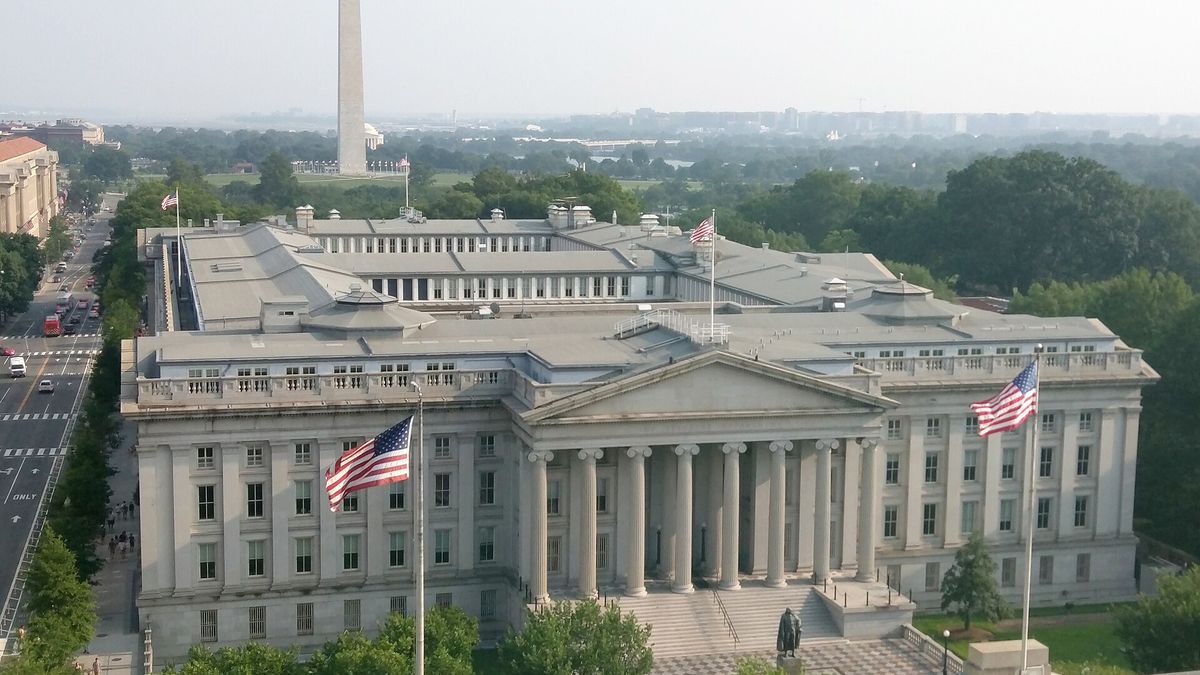
The yield on the 10-year U.S. Treasury note fell to 4.91% on Monday, Nov. 2, according to Treasury Department data, extending a slide that began on the day the Federal Reserve left interest rates unchanged. The benchmark stood at 5.05% on Oct. 28 and at 5.31% on Oct. 5, so it has shed 40 basis points in four weeks.
For investors in Asia, the decline matters in two ways. Lower U.S. yields reduce the pull of dollar assets on regional capital, which has helped steady currencies from the yuan to the ringgit. But the Fed's own vote showed that two policymakers wanted a rate increase in October, which means the relief in Asian bond and currency markets rests on a decision that has only been postponed until December.
Fed hold came with two votes for a hike
The Federal Open Market Committee kept its target range for the federal funds rate at 3.75% to 4% on Oct. 28. The statement passed 10-2. Lisa D. Cook and Beth M. Hammack dissented, saying they preferred to raise the range by a quarter point at that meeting.
The committee described economic activity as expanding at a strong pace and said inflation "remains elevated." It gave no signal on timing, saying more information would help it decide the stance needed to bring inflation back to its 2% goal. In a weekly note, SWBC Chief Investment Officer Chris Brigati called the tone of the meeting "decidedly hawkish."
Bond traders took the hold as a reprieve anyway. The two-year yield, the maturity most sensitive to Fed expectations, slipped to 4.59% on Nov. 2 from 4.67% on Oct. 28, Treasury figures showed. The 30-year bond ended Monday at 5.28%. That leaves the gap between two-year and 10-year yields at 32 basis points, little changed from a week earlier.
SWBC attributed much of the recent drop in long-term yields to a flight to safety as artificial intelligence-related stocks sold off, rather than to any shift in the inflation or growth outlook. The Nasdaq 100 fell about 2.7% in the week to Oct. 30, the firm said. That distinction matters for Asian markets: yields that fall on risk aversion can rise again quickly once equities recover. Capital Times reported earlier on how the 10-year slipped back below 5% ahead of the Fed decision.
Dollar stalls as yuan firms and won wobbles
The dollar has not followed yields lower in any decisive way. The Fed's broad trade-weighted dollar index stood at 121.67 on Oct. 30, against 121.60 on Oct. 26, according to the central bank's weekly H.10 release published Nov. 2. Its index against emerging-market currencies edged up over the same five days, to 130.86 from 130.51.
Inside Asia, the picture split. The Chinese yuan strengthened every day of the week except one, ending Oct. 30 at 6.6538 per dollar from 6.6700 on Oct. 26, Fed data showed. The Malaysian ringgit firmed to 4.0555 from 4.0860, and the Singapore dollar to 1.2776 from 1.2809. The Indian rupee recovered to 94.94 per dollar on Oct. 30 after trading above 95 earlier in the week.
North Asian currencies were more volatile. The South Korean won weakened to 1,344.12 per dollar on Oct. 28, the day of the Fed decision, from 1,326.17 the day before, then recovered to 1,333.99 by Oct. 30. The Japanese yen touched 158.24 on Oct. 28 before ending the week at 157.47. The Taiwan dollar was little changed at 32.59, and the Hong Kong dollar held near 7.845 inside its peg band.
What December means for Asian bonds
Asian local-currency bond markets have tracked Treasuries closely this year. When the U.S. 10-year topped 5% in early October, regional borrowing costs rose with it; Indonesia's 10-year yield, for one, reached a six-year high as the rupiah came under pressure. A sustained move below 5% in Treasuries gives central banks in Jakarta, Manila and Seoul more room to hold rates rather than defend their currencies.
The risk is the Fed calendar. The next FOMC meeting runs Dec. 8 to 9 and comes with a fresh Summary of Economic Projections, according to the Fed's schedule. If the committee follows the two dissenters and raises rates, the gains the yuan and ringgit posted last week would be tested.
Before then, investors will get the October U.S. jobs report and consumer price data, both of which feed directly into the December decision. Treasury yields at 4.91% already sit 14 basis points below their level on the day of the Fed's split vote. The next marker for Asian markets is whether the two-year yield, now 4.59%, holds below the 4.67% it reached on Oct. 28.
Sources
- U.S. Department of the Treasury: Daily Treasury Par Yield Curve Rates, 2026
- Board of Governors of the Federal Reserve System: Federal Reserve issues FOMC statement (Oct. 28, 2026)
- Board of Governors of the Federal Reserve System: Foreign Exchange Rates, H.10 Weekly (released Nov. 2, 2026)
- Board of Governors of the Federal Reserve System: Meeting calendars, statements, and minutes
- SWBC: Market Commentary: Week of November 2, 2026
Our standards: Capital Times reports under the principles set out in our Editorial Standards and Ethics Policy. Spotted an error? Report it to our editors.