Pound Holds Near $1.35 After Bank of England Lifts Rate to 4%, First Hike Since 2023
An 8-1 vote, with one member pushing for a half-point move, gave sterling only a brief lift as traders had already priced the increase.
What to know
- The Bank of England raised Bank Rate to 4% from 3.75% on Nov. 5, its first increase in more than three years, in an 8-1 vote.
- Sterling traded around $1.3468 and 83.29 pence per euro after the decision, little changed on the day, Reuters reported.
- The bank now sees inflation peaking at an average 4.8% in the second quarter of 2027 and returning to 2% only in the third quarter of 2028.
LONDON
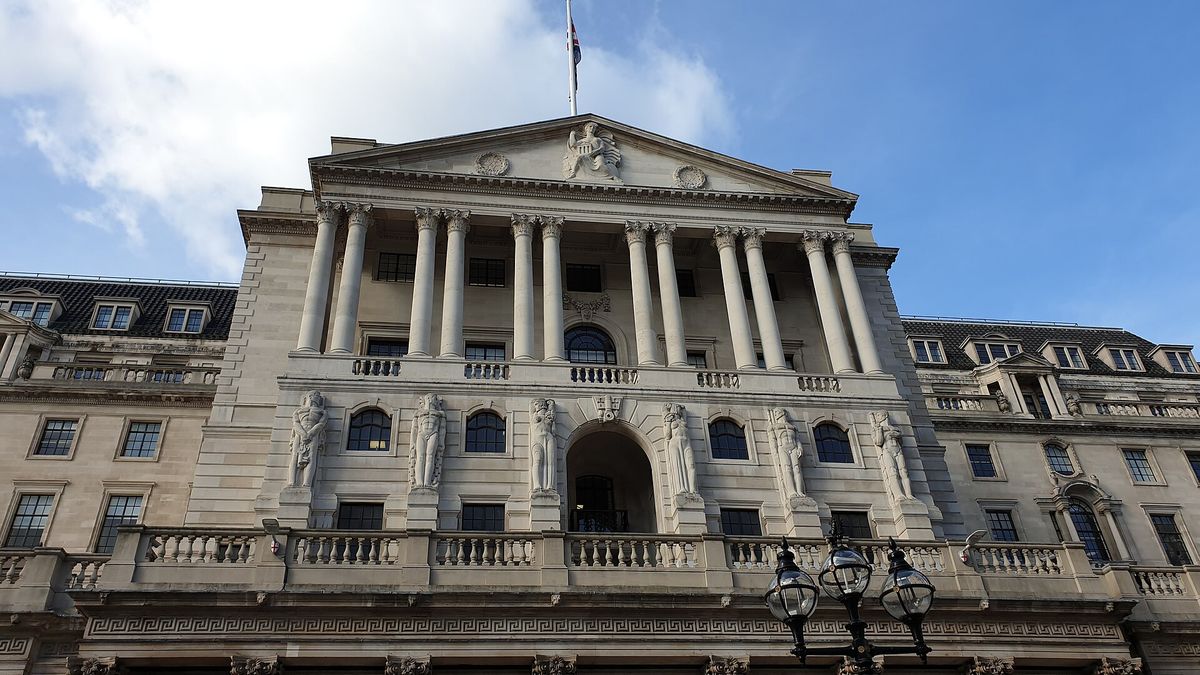
The British pound held near $1.35 on Thursday after the Bank of England raised Bank Rate by a quarter point to 4% from 3.75%, its first increase in more than three years, as policymakers moved to contain an energy-driven rise in inflation. Sterling traded around $1.3468 after the announcement, compared with about $1.3453 earlier, and was little changed for the day, Reuters reported.
For investors in Hong Kong, Singapore and Jakarta who hold British assets or price trade in sterling, the reaction matters more than the decision itself. Markets had largely priced the hike in ahead of the meeting, so the pound's muted move suggests the bigger currency swings will come from the bank's guidance on how many more increases follow, and from the price of oil.
An 8-1 vote with a hawkish dissent
The Monetary Policy Committee voted 8-1 for the increase. The lone dissenter, Catherine Mann, wanted a half-point rise to 4.25%, according to Reuters. In the minutes she pointed to "non-linear inflation risks." Consumer price inflation stood at 3.5% in September.
Governor Andrew Bailey tried to lean against expectations of a long tightening cycle. He said the move "should not be seen as the first in an inevitable long sequence of hikes." He also said that unless the conflict in the Middle East is resolved, the increase is unlikely to be the last. Bailey said a recent dip in oil prices was welcome but that a large amount of inflationary pressure was already in the pipeline.
The committee was not united on what comes next. Deputy Governor Clare Lombardelli said a further hike is likely to be needed soon, and Megan Greene and Huw Pill both called for more tightening, Reuters reported. Swati Dhingra and Alan Taylor said they wanted stronger evidence of second-round effects before backing further increases.
The bank's new forecasts show why the pound has support from rate differentials. In its central scenario, inflation peaks at an average 4.8% in the second quarter of 2027 and does not return to the 2% target until the third quarter of 2028, six months later than the bank projected in July. In an adverse case with oil near $130 a barrel, against roughly $100 now, inflation reaches 6.2% in the third quarter of 2027. Growth forecasts were raised to 1.6% for this year and 1.3% for next.
Gilts move more than the pound
Bond markets reacted more clearly than currency markets. Two-year gilt yields rose about 3 basis points to 4.77%, Reuters reported in its market wrap; another Reuters report put the rise at about 5 basis points. Traders priced about 76 basis points of further tightening by the end of 2027, up from about 67 basis points before the announcement.
Analysts were split on how far that pricing can run. Michael Metcalfe, head of macro strategy at State Street, called the decision "a relatively hawkish outcome," with timing of further hikes the key question. Neil Wilson, UK investor strategist at Saxo, said markets now see a December hike as closer to a coin toss. Others pushed back. Vivek Paul of the BlackRock Investment Institute said he saw room for one more increase over the next year, well short of what markets imply, and David Rees, chief economist at Schroders, expects rates to peak at 4.25%.
Piotr Matys, senior FX analyst at In Touch Capital Markets, described sterling's initial gain as a knee-jerk response to a hawkish hike that came with a vote for a bigger move.
Euro and the read-through for Asia
Against the euro, the pound firmed slightly to 83.29 pence per euro, Reuters reported. Together with the dollar quote, that implies the euro was trading around $1.12. The European Central Bank held its deposit rate at 2.5% at its most recent meeting, leaving the Bank of England with a wider rate gap over the euro zone.
That gap is the main channel for Asian investors. A Bank of England that keeps tightening while the ECB waits tends to favor the pound over the euro, which affects returns on European holdings for funds reporting in Hong Kong or Singapore dollars. Exporters in Asia that invoice British customers in sterling gain from a firm pound, though the bank's own forecasts point to weaker spending power: real household income from work is projected to fall in both 2026 and 2027.
The bigger risk for currency holders is oil. The bank's adverse scenario ties the inflation outlook directly to energy prices, and Bailey linked future moves to the Middle East conflict. A sharp rise in crude would push both U.K. inflation and rate expectations higher, while also squeezing Asian oil importers.
Bailey said markets were pricing tail risks of a sharp energy price rise, while economists' forecasts assumed a smaller path of further tightening. The next test for the pound comes at the Monetary Policy Committee's December meeting, where Saxo's Wilson put the odds of another hike at roughly even.
Sources
- AOL (Reuters): Instant View: Bank of England delivers first rate hike in three years, gilt yields rise (Nov. 5, 2026)
- Lufkin Daily News (Reuters): Bank of England raises rates for first time since 2023, warns another move likely (Nov. 5, 2026)
Our standards: Capital Times reports under the principles set out in our Editorial Standards and Ethics Policy. Spotted an error? Report it to our editors.