Vietnam Faces Nov. 29 US Tariff Deadline in IP Probe as Tesla, Samsung Urge Restraint
Washington's intellectual property investigation could add duties on top of a 12.5% tariff, with manufacturers and rights holders split on what comes next.

What to know
- The U.S. Trade Representative faces a Nov. 29 deadline to decide on action in a Section 301 probe of Vietnam's intellectual property enforcement, Reuters reported.
- Tesla and Samsung, Vietnam's largest foreign investor with about $25 billion invested, oppose new tariffs, according to Reuters.
- Vietnam's exports to the U.S. rose 42% in the first eight months of 2026, making it America's largest goods surplus partner, Reuters said.
HONG KONG
Washington has until Nov. 29 to decide whether to take action against Vietnam over its intellectual property record, a call that could add new U.S. tariffs on top of the 12.5% duty Vietnamese goods already face, Reuters reported on Nov. 2. Tesla and Samsung Electronics are among the companies urging restraint.
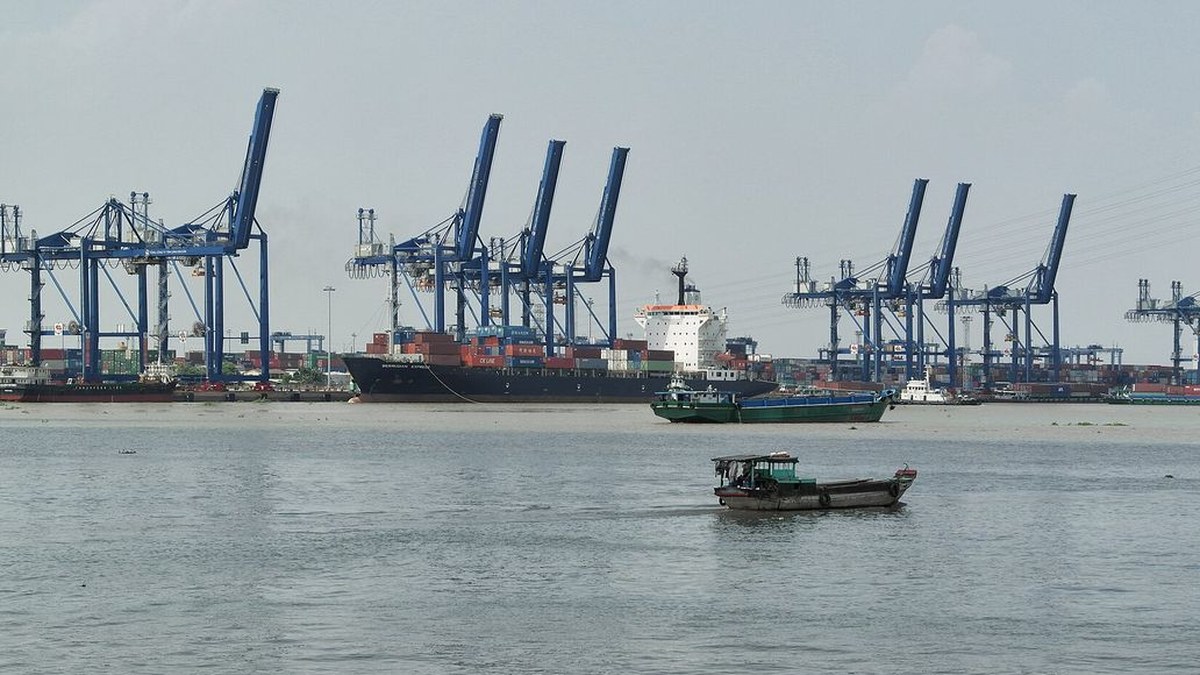
The decision matters well beyond Hanoi. Vietnam has become the main beneficiary of supply chains moving out of China, and Reuters reported that its exports to the U.S. rose 42% in the first eight months of 2026 from a year earlier. That growth has made it America's largest goods surplus partner, ahead of China and Mexico, up from fourth place at the end of 2025. Fund managers holding Vietnamese manufacturers, ports and industrial-park developers, and Asian companies with factories in the country, now face a tariff decision with a hard date.
What the Section 301 probe covers
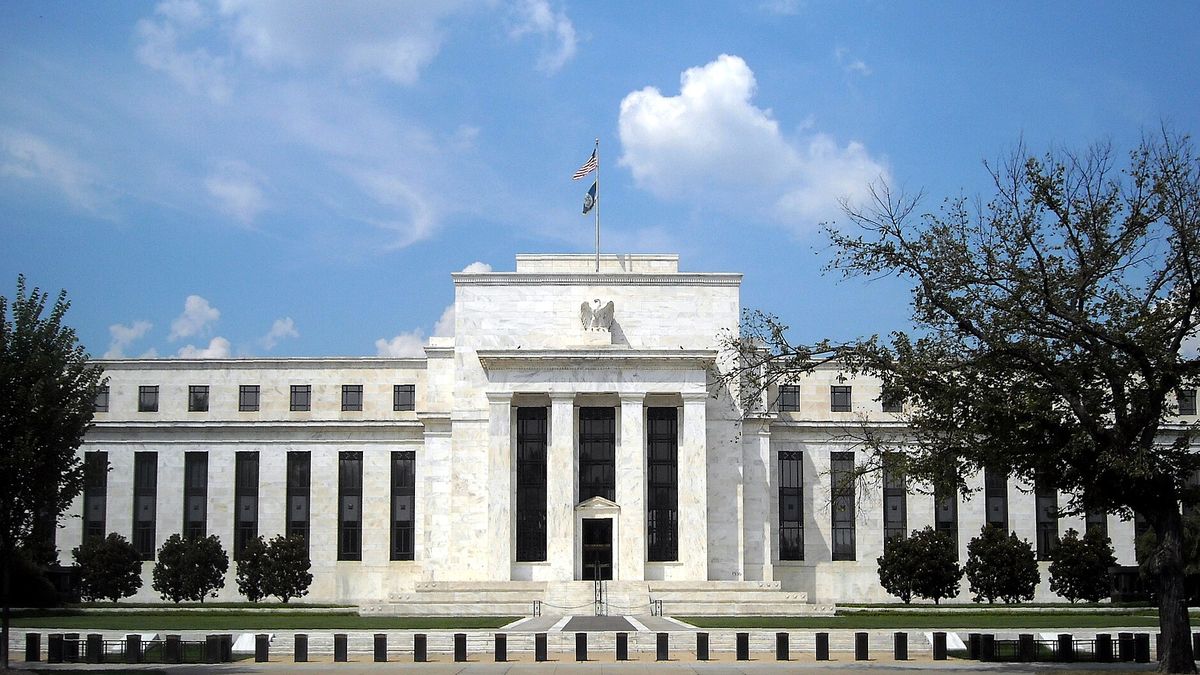
U.S. Trade Representative Jamieson Greer opened the investigation on May 29 under Section 301 of the Trade Act of 1974, according to a USTR statement. It followed the agency's 2026 Special 301 Report, published April 30, which named Vietnam a Priority Foreign Country. Reuters said Vietnam is the first jurisdiction in 13 years to receive that label. U.S. law reserves it for countries with the most onerous or egregious practices that are not negotiating in good faith or making significant progress, USTR said.
USTR said it would examine whether Vietnam's failure to resolve long-standing intellectual property concerns is unreasonable or discriminatory and burdens U.S. commerce. Greer said in the statement that infringement in Vietnam "continues to impair the competitive position of U.S. innovators and creators." Once the investigation ends, he will decide, in consultation with President Donald Trump, what action to take, if any.
The complaints are specific. KPMG, summarizing the federal notice, listed five: weak enforcement against online piracy, weak action on widespread counterfeiting, poor border enforcement, little action against unlicensed software and no criminal measures against cable and satellite signal theft. It added that administrative enforcement actions involving infringing goods fell 50% in 2025 from 2024.
The statute generally requires a decision within six months of initiation, KPMG said, though that period can be extended by three months in some circumstances. Written comments, including on possible tariff and non-tariff measures, were due July 2.
U.S. business comments divided
The comments filed with USTR show a divided U.S. business community, according to Reuters. Tesla, which filed on July 2, asked the agency to "take into account the supply chain needs of American manufacturers." Samsung, Vietnam's largest foreign investor with about $25 billion invested in the country, also opposed new duties, Reuters said. Its U.S. unit said Vietnam produces a significant share of the Samsung smartphones and network equipment sold in the U.S.
Groups representing software, film and music companies pressed for concrete commitments and stronger enforcement against piracy. The Business Software Alliance said about three-quarters of PC software in Vietnam is unlicensed, citing a 2017 survey, and the Motion Picture Association said piracy sites in Vietnam drew more than 12.5 billion visits last year. U.S. producers of steel, seafood, plywood, solar products and wood accused Vietnam of unfair practices and called for new tariffs, while footwear, apparel and consumer goods groups opposed additional duties, Reuters reported.
For companies that moved production to Vietnam to diversify away from China, the split matters: any new duty would land on goods that already carry the 12.5% tariff.
Layers of tariff risk
The intellectual property case is one of several U.S. trade actions aimed at Vietnam. The current 12.5% general tariff was imposed in July after a forced-labour investigation, Reuters said, replacing the 20% duty set after the April 2025 "Liberation Day" announcement, which the U.S. Supreme Court struck down. A separate U.S. probe into alleged excess capacity is also under way.
The stakes have risen with the volume of trade. Vietnam's official figures showed its total trade passing $1 trillion in the first 10 months of the year, according to an earlier Capital Times report. Any new duty would also be weighed against Washington's other Asian talks, including the U.S.-China truce that runs to January.
USTR has not said which remedies it favors. It has requested consultations with Vietnam's government, KPMG noted, and earlier U.S. efforts included proposed intellectual property work plans in 2020 and 2023. The next fixed date for investors is Nov. 29, when the six-month window closes unless USTR uses its option to extend it by three months.
Sources
- Reuters (via Investing.com): Tesla, Samsung oppose new US tariffs on Vietnam as probe deadline nears (Nov. 2, 2026)
- Office of the U.S. Trade Representative: USTR Announces Section 301 Investigation of Vietnam's Acts, Policies, and Practices Related to Intellectual Property (May 29, 2026)
- KPMG: USTR initiates Section 301 investigation into Vietnam's IP practices (June 1, 2026)
Our standards: Capital Times reports under the principles set out in our Editorial Standards and Ethics Policy. Spotted an error? Report it to our editors.