USITC Splits 3-3 on Lamb Safeguard, Leaving Trump to Rule on Australian Lamb Tariffs
Half of the U.S. trade commission found Australian lamb a substantial cause of injury to American sheep producers. A remedy hearing is set for Dec. 1.
What to know
- The U.S. International Trade Commission split 3-3 on Nov. 13 on whether lamb imports are seriously injuring American producers, sending the case to President Trump.
- The three commissioners who voted yes found imports from Australia, considered on their own, a substantial cause of serious injury or threat of it.
- A remedy hearing is set for Dec. 1, and the commission's report to the president is due by Jan. 11, 2027.
SYDNEY
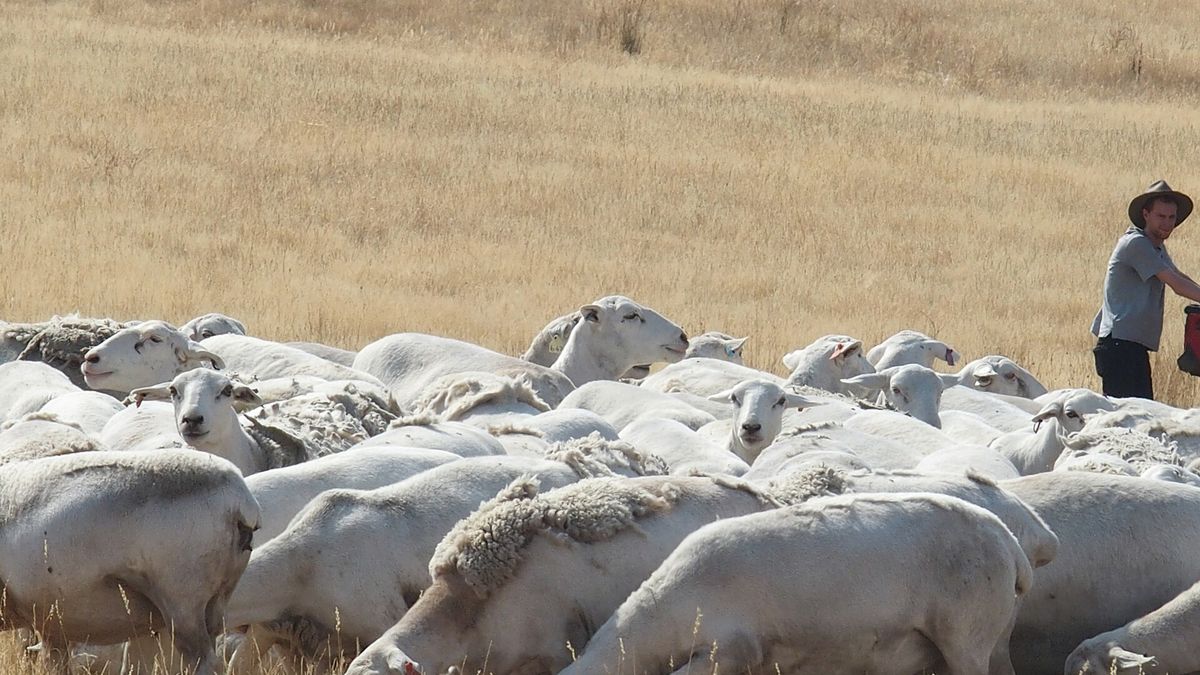
The U.S. International Trade Commission split 3-3 on whether imported lamb is seriously hurting American sheep producers, a tie that hands President Donald Trump the final call on whether to restrict Australian lamb, which shipped more than 100,000 metric tons to the U.S. last year, according to ABC News.
The ruling, announced on Friday, Nov. 13, in Washington, keeps the global safeguard case alive. Under U.S. trade law, an evenly divided commission sends both sets of views to the president, who can treat either one as the decision. For Australia and New Zealand, which supply most of the lamb the United States imports, the result means about two more months of uncertainty, with any new duty coming on top of a tariff already in place.
How the commissioners split
Chairman Brett W. Doyle and Commissioners Jason E. Kearns and Bart Thanhauser voted that lamb is being imported in such increased quantities that it is a substantial cause of serious injury, or threat of it, to the domestic industry, according to the commission's news release. Commissioners Peter-Anthony Pappas, David Foley Jr. and Samuel T. Negatu voted no.
The three who voted yes also made country-by-country findings that matter for Australia. They found that imports from Australia, considered individually, are a substantial cause of serious injury or threat of it. They found that imports from Canada and Mexico neither account for a substantial share of total imports nor contribute importantly to the injury, and that imports from each of the other U.S. free trade partners they examined, including Korea, Singapore, Peru and the CAFTA-DR group, are not a substantial cause of serious injury. The release said the president's decision on relief will also cover free trade partners. New Zealand, which has no free trade agreement with the United States, did not appear in those country findings.
The commission will now move to a remedy phase. A public hearing on possible tariffs, quotas or other relief is scheduled for Dec. 1, and the commission must send its report and recommendations to the president by Jan. 11, 2027. The president then decides whether to grant relief and in what form, the release said.
A tie that tilts the odds, some experts say
Jennifer Hillman of Georgetown University, a former commissioner, told ABC News that the tie lets the president pick which side counts as the "winning" vote. She said she would expect him to treat the outcome as affirmative and impose tariffs or tariff-rate quotas, given the pressure on U.S. farmers. Alan Wolff, a former deputy director-general of the World Trade Organization, told the broadcaster the outcome was "a pretty open question."
The American Sheep Industry Association, whose petition prompted the case, called the vote "an important step toward securing trade relief for US sheep producers," ABC reported. The group has argued that low-priced imports from Australia and New Zealand are undercutting domestic producers, and dozens of Republican members of Congress backed its campaign in a January letter.
Australian lamb already pays a 12.5% tariff in the United States, according to both ABC News and Sheep Central, the Australian sheep-industry news site. Australia's lamb exports to the U.S. were valued at more than $1 billion last year, ABC reported, without specifying the currency. Greg Moriarty, Australia's ambassador in Washington, told an earlier commission hearing that limiting imports would raise costs for American consumers and reduce supply.
There is a political wrinkle. Trump has not commented publicly on the lamb case, ABC noted, but he recently backed higher beef imports to bring down prices, a sign that affordability arguments may carry some weight at the White House.
Canberra and the industry's campaign
The case began on July 13, when the U.S. Trade Representative's office asked the commission to investigate, and the commission opened the probe the same day under the Trade Act of 1974, according to the release. ABC said the request came from Trade Representative Jamieson Greer. Meat & Livestock Australia, the industry's marketing and research body, said in July that the probe "is not directed at Australia alone" and that Australia's market access had not changed at that point. Live sheep and mutton are outside the scope of the investigation, Sheep Central reported.
Australian processors and producer groups have spent months lobbying American buyers. The Australian Meat Industry Council, Meat & Livestock Australia and Sheep Producers Australia fund a campaign called Protect Lamb Supply, independent of the Australian government, which argues that imported lamb complements U.S. production and keeps lamb available year-round, Sheep Central reported in August. U.S. lamb supplier Catelli Brothers confirmed its support, the site said. The Australian government asked on July 27 to take part in the investigation as a formal party, and Trade Minister Don Farrell raised the issue with Greer in February, June and August, the site reported.
Any remedy would fall first on Australian processors and exporters that sell lamb into the U.S., and on New Zealand suppliers competing for the same buyers. Capital Times has also covered a separate U.S. trade case, the Section 301 probe of Vietnam.
The next fixed date is the Dec. 1 remedy hearing, where the commissioners who voted yes will weigh what form any relief should take. Their report goes to the White House by Jan. 11, and the ABC said a final decision from Trump is likely early next year.
Sources
- U.S. International Trade Commission: USITC Reaches Equally Divided Determination in Lamb Meat Global Safeguard Investigation (News Release 26-162) (Nov. 13, 2026)
- ABC News (Australia): Trump to rule on tariffs for Australian lamb after US trade commissioners disagree (Nov. 14, 2026)
- Sheep Central: Australia marshalls US backers in Protect Lamb Supply initiative (Aug. 12, 2026)
- Meat & Livestock Australia: US to launch safeguard investigation into lamb imports (July 17, 2026)
Our standards: Capital Times reports under the principles set out in our Editorial Standards and Ethics Policy. Spotted an error? Report it to our editors.