Takaichi Heads to Shenzhen APEC as China's Curbs on Japan Stay and Exports to China Keep Rising
Beijing still restricts Japanese seafood and rare earth sales a year into the Taiwan row, yet Japan's shipments to China have grown every month since March.
What to know
- Prime Minister Sanae Takaichi attends the APEC leaders' meeting in Shenzhen on Nov. 18-19, her first visit to China since her Taiwan remarks a year ago strained ties.
- China's restrictions on Japanese seafood imports and its curbs on rare earth exports to Japan remain in place, according to Bloomberg and Anadolu Agency.
- Japan's exports to China rose 8.5% from a year earlier to 1.73 trillion yen in September, the seventh straight monthly gain, Japan Customs data show; Chinese customs data also show seven months of growth, Taiwan's PTS reported.
HONG KONG
Japanese Prime Minister Sanae Takaichi arrives in Shenzhen for the Asia-Pacific Economic Cooperation leaders' meeting on Nov. 18-19 with the trade penalties Beijing imposed on Japan over the past year still in force. It is her first visit to China since her remarks on Taiwan in November 2025 soured relations.
For companies on both sides, the visit matters less for any handshake than for what it might signal about the measures that have hit specific Japanese industries: restrictions on seafood imports, curbs on rare earth exports and a Chinese government advisory against travel to Japan. Those three measures are listed in reports by Anadolu Agency and by Bloomberg, which The Star republished on Nov. 9. At the same time, the headline trade numbers between Asia's two largest economies have kept rising.
What Beijing has put in place against Japan
The friction dates to a statement Takaichi made in parliament last year: that a Chinese military move against Taiwan, including a naval blockade, could amount to a "survival-threatening situation" for Japan, allowing it to exercise collective self-defense, as Anadolu Agency summarized it. Some Japanese officials say Xi wants the remarks withdrawn, and she has refused, Bloomberg reported.
According to Bloomberg, China has restricted rare earth exports to Japan, curbed seafood imports, urged its citizens not to visit Japan and placed Japanese companies on lists that limit their access to products with military uses. Rare earths feed Japan's chip and car industries, and Bloomberg said U.S. manufacturers that buy certain magnets from Japan have also been hurt. Before the dispute, Chinese travelers made up about a quarter of all visitors to Japan, the news agency said.
Capital Times reported earlier this month on China's rare earth magnet exports, including a drop in shipments to Japan, and on new Chinese anti-dumping probes that include a Japanese chemical.
Japanese officials have tried to keep expectations low for the summit. A formal Takaichi-Xi Jinping meeting is considered unlikely, with contact probably limited to set pieces such as the leaders' dinner, Bloomberg reported, citing Japanese officials. Tokyo has asked that she be treated like every other leader. Takaichi was scheduled to begin a four-day trip on Monday that also takes her to the Philippines for a Japan-ASEAN summit, Anadolu Agency reported, citing Deputy Chief Cabinet Secretary Masanao Ozaki.
Japan's exports to China keep growing
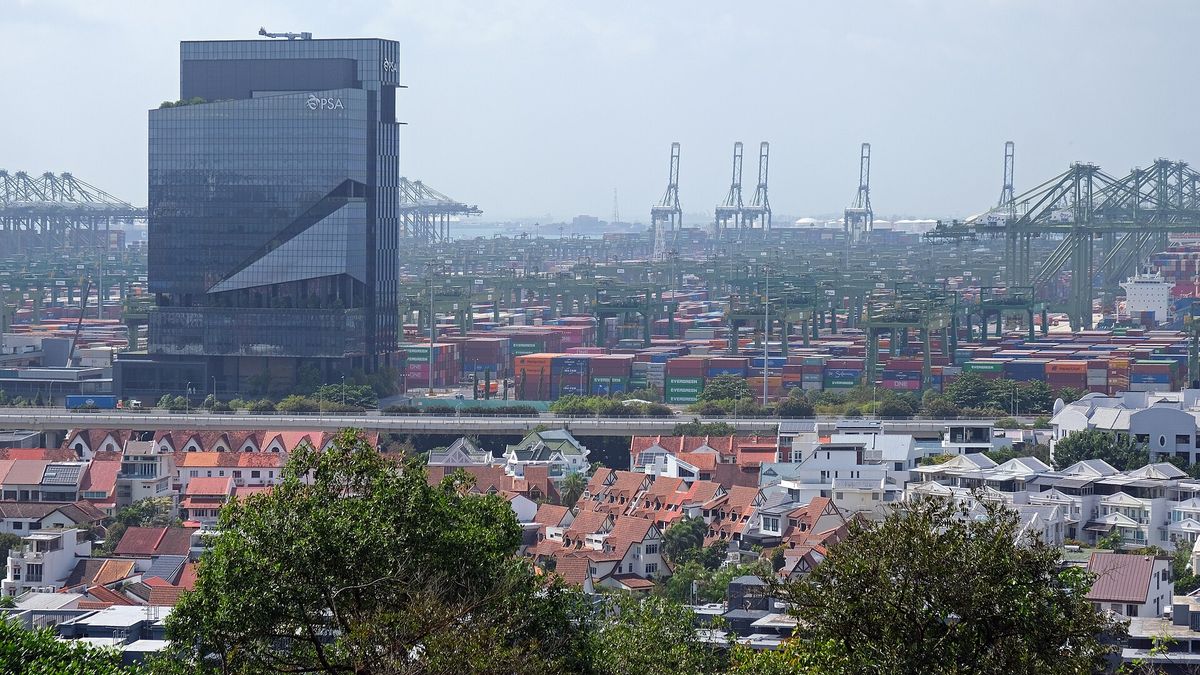
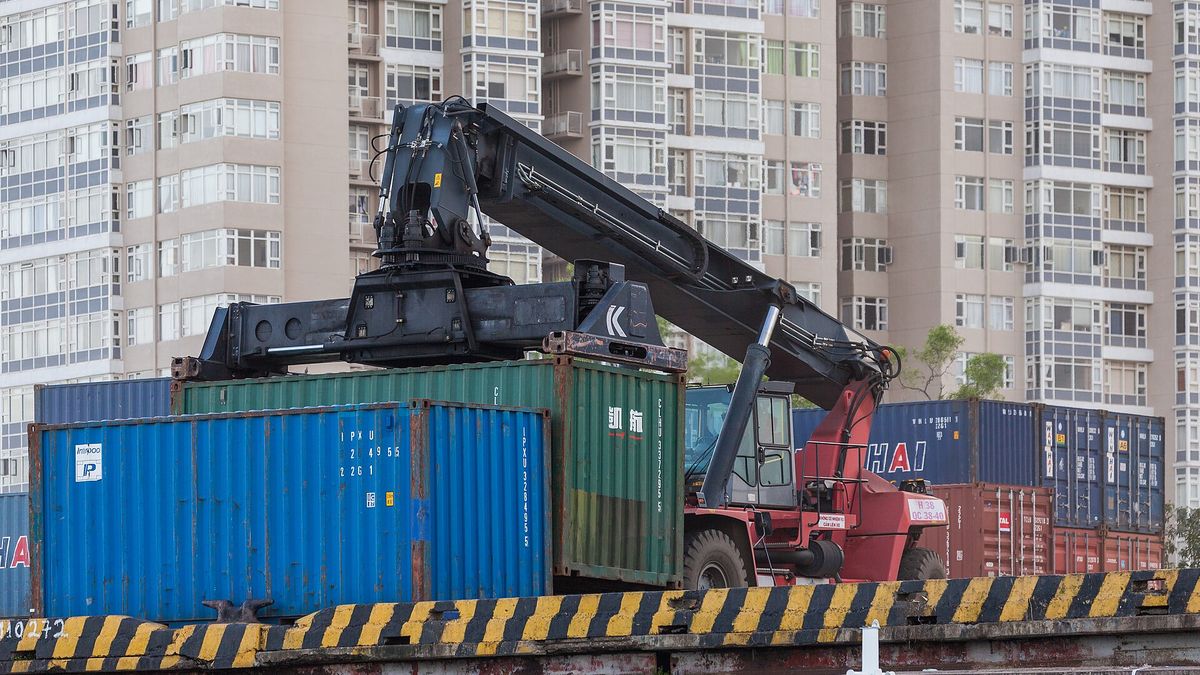
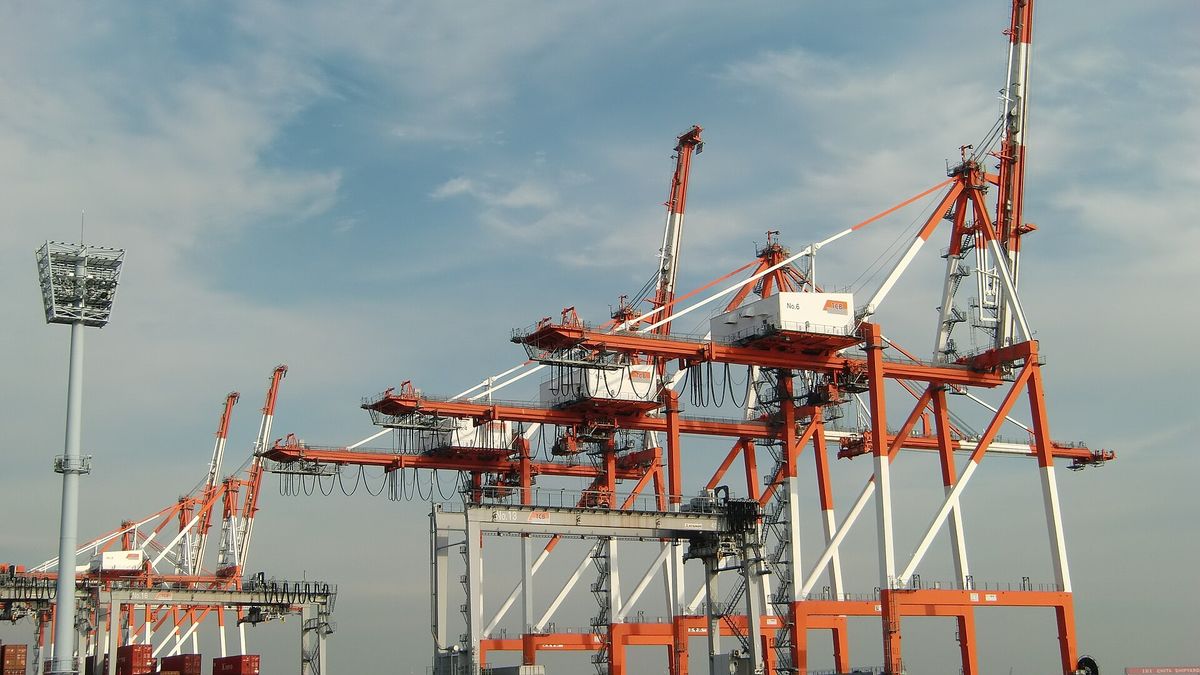
The trade data tell a different story from the diplomacy. Japan's exports to China rose 8.5% from a year earlier to 1.73 trillion yen in September, according to detailed figures released by Japan Customs on Oct. 29. That was the seventh consecutive month of year-on-year growth, following a dip in February. Imports from China climbed faster, up 16.4% to 2.76 trillion yen, leaving Japan with a deficit of 1.03 trillion yen in its trade with China for the month.
Machinery made up more than a quarter of what Japan sold to China in September. Shipments of semiconductor manufacturing equipment and related machines rose 14.3% to 225.2 billion yen, the customs data show.
Chinese figures point the same way. Taiwan's Public Television Service, citing China's General Administration of Customs, reported on Nov. 9 that two-way trade rose 17% in January to September to $277.4 billion, helped by demand linked to artificial intelligence and data center construction and by Chinese factories upgrading automated production lines with Japanese machinery. Japanese exports to China had risen for seven straight months by China's count as well, the broadcaster said.
Trade with South Korea has grown even faster. Japan's exports to South Korea jumped 35.5% to 781.4 billion yen in September, and imports from South Korea rose 40.9% to 549.1 billion yen, according to Japan Customs. At the 59th meeting of the Japan-Korea cooperation committee in Tokyo on Nov. 9, a message from Takaichi said the two countries would deepen economic security cooperation on critical mineral supply chains and energy, and President Lee Jae-myung called Japan an important partner, PTS reported.
What to watch in Shenzhen and in Wednesday's data
Two things will test whether the gap between politics and trade holds. The first is the tone in Shenzhen. Bloomberg reported that U.S. President Donald Trump and Russian President Vladimir Putin plan a three-way meeting with Xi at the summit, a prospect it said had raised concern in Tokyo about appearing isolated. APEC leaders are expected to discuss trade, energy resilience and artificial intelligence, according to Anadolu Agency.
Foreign Minister Toshimitsu Motegi told a parliamentary committee on Oct. 27 that Tokyo seeks a "constructive and stable relationship" with Beijing through continued communication, Dimsum Daily reported. Any sign that China is ready to ease its seafood or rare earth measures would matter most to Japanese seafood exporters and to automakers and electronics firms that depend on Chinese rare earths.
The second test comes before the leaders sit down. Japan Customs is scheduled to release preliminary October trade figures at 8:50 a.m. Tokyo time on Wednesday, Nov. 18, according to its release calendar. The report will show whether exports to China extended their run to an eighth month as the summit opened.
Sources
- Anadolu Agency: Japan's Takaichi to attend APEC summit on 1st China visit since Taiwan row (Nov. 13, 2026)
- The Star: Japan works to shield Takaichi from any Xi snub at China's APEC summit (Bloomberg) (Nov. 9, 2026)
- Japan Customs, Ministry of Finance: Value of Exports and Imports, September 2026 (detailed data) (Oct. 29, 2026)
- Japan Customs, Ministry of Finance: Calendar of Release Dates: Trade Statistics of Japan (Jan. 19, 2026)
- Public Television Service (PTS): 日中外交降溫滿1年 統計揭雙方貿易總額反增17% (Nov. 9, 2026)
- Dimsum Daily: Motegi says Takaichi arranging to attend APEC meeting in Shenzhen (Oct. 28, 2026)
Our standards: Capital Times reports under the principles set out in our Editorial Standards and Ethics Policy. Spotted an error? Report it to our editors.