Samsung's HBM4 Sales Triple and 2027 Supply Sells Out, but Finance Loss Dents Net Profit
Chips earned 99% of Samsung's operating profit, but a finance loss dragged net profit below forecasts and an open-ended payout plan pushed the shares lower.
What to know
- Samsung said HBM4 revenue more than tripled from the second quarter to about 60% of its HBM sales, and its 2027 HBM supply is already sold out.
- A 9.5 trillion won net finance loss, after 4.7 trillion won of finance income in the second quarter, held net profit to 75.13 trillion won, below the 87.01 trillion won forecast.
- Samsung shares closed down 4.13% at 232,000 won on Oct. 29 and were down another 6.03% in late morning trade in Seoul on Oct. 30.
SEOUL
Samsung Electronics said sales of its newest high-bandwidth memory chips more than tripled in the third quarter and that its HBM output for 2027 is already sold out, but a swing to a net finance loss helped leave net profit nearly 12 trillion won below forecasts.
For investors across Asia, the call mattered as much as the numbers. Samsung, the Kospi's largest company by market value, echoed SK hynix's record results a day earlier in expecting AI demand to keep memory tight through 2027 and possibly into 2028. The same price surge is squeezing Samsung's own phone and TV units.
The headline numbers came out Thursday morning: a record operating profit of 107.44 trillion won and revenue of 195.25 trillion won. Net profit was 75.13 trillion won (US$56.2 billion), against an average analyst estimate of 87.01 trillion won compiled by Yonhap Infomax, and the stock fell sharply in morning trade.
Chips Earn 99% of Samsung's Operating Profit
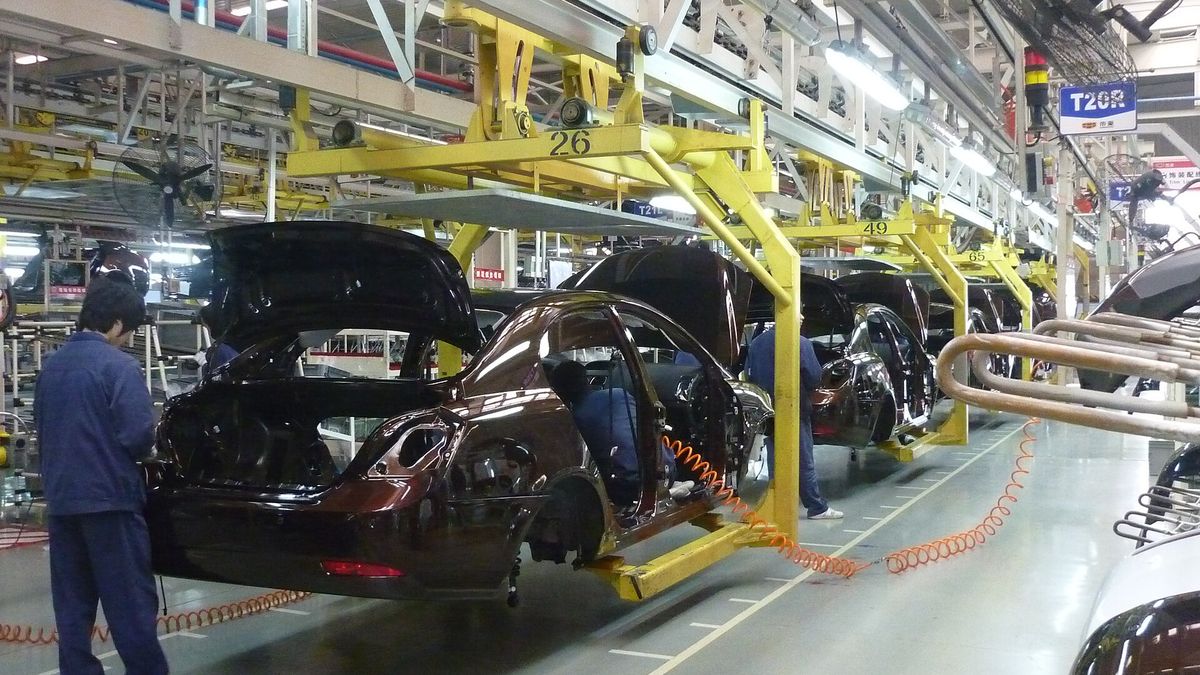
The Device Solutions chip division earned 106.5 trillion won on revenue of 147.1 trillion won, accounting for 99.1% of group operating profit, Yonhap reported. Memory sales alone reached 140.7 trillion won, up 16% from the second quarter and more than five times the year-earlier level, according to Samsung's earnings presentation. Prices rose for every application, led by servers, the company said.
HBM4, the sixth generation of the stacked memory used in AI accelerators, made up about 60% of Samsung's HBM revenue after sales more than tripled from the prior quarter, The Korea Herald reported. Samsung said it appeared to have already reached its goal of an HBM market share equal to its share of total DRAM, a target it had set for the second half.
Samsung's release did not name its HBM customers. Research firm Bernstein estimated earlier this week that Samsung's third-quarter HBM revenue, at $8.7 billion, had overtaken SK hynix's $7.6 billion, with both competing to supply Nvidia's next Vera Rubin platform, The Korea Herald reported.
Next year's HBM pricing is largely set. Samsung said its 2027 HBM volume sold out at prices reflecting its competitiveness, and samples of the next-generation HBM4E, shipped since May, have drawn positive feedback. It has signed long-term supply deals with 10 major customers and is negotiating with 10 more. Covering 60% to 70% of capacity through 2030 with such contracts now looks "increasingly achievable," said Kim Jae-june, executive vice president for memory global sales and marketing, according to the Korea JoongAng Daily.
Foundry results improved on HBM base-die and advanced-node sales, the unit won new 2-nanometer orders from large cloud companies, and Samsung expects its 2nm orders this year to more than double, the JoongAng Daily reported. Its first plant in Taylor, Texas, has begun cleanroom operations.
Why Net Profit Lagged Operating Profit
The shortfall came below the operating line. Operating profit beat the FnGuide consensus of 106 trillion won, while revenue trailed analysts' forecast of 200.3 trillion won, the JoongAng Daily reported.
Samsung's presentation shows a net finance loss of 9.5 trillion won in the quarter, after net finance income of 4.7 trillion won in the second quarter, which cut pretax profit to 98.5 trillion won. Income tax took another 23.4 trillion won, about 24% of pretax profit, near the second-quarter rate. Operating profit rose 20% from the second quarter, but net profit rose only about 5%. The presentation did not break down the finance line.
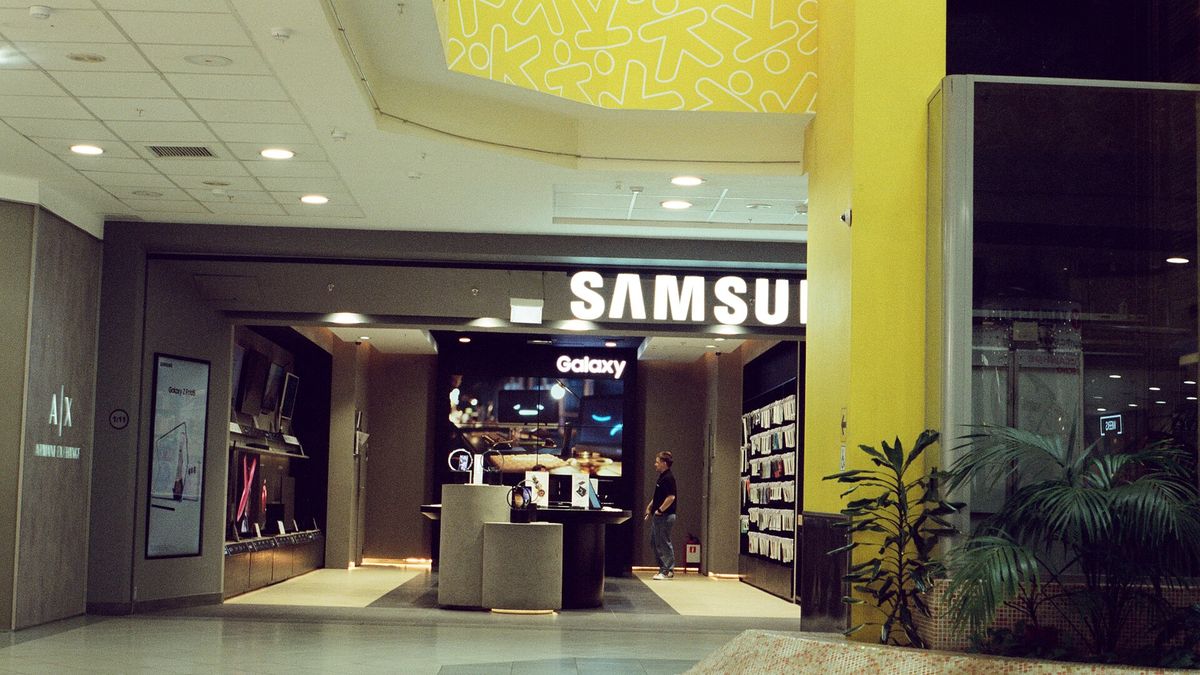
Outside semiconductors, the memory boom is a cost. The Device eXperience division, which covers phones, TVs and appliances, lost 800 billion won, its second straight quarterly loss, Yonhap reported. The mobile and networks unit lost 600 billion won on revenue of 37.7 trillion won, compared with a 3.6 trillion won profit a year earlier, as pricier memory and other components ate into gains from foldable launches such as the Galaxy Z Fold8. Samsung Display earned 1.1 trillion won, and Harman's operating profit rose 50% to 600 billion won, helped by one-time U.S. tariff refunds.
Payout Details Wait Until January
Samsung declared a third-quarter dividend of 4,601 won per common and preferred share, about 30 trillion won in total, payable Nov. 27. It still expects 2026 returns to total 90 trillion to 110 trillion won, leaving 55 trillion to 75 trillion won after 35 trillion won already paid or committed. That remainder will go to dividends and a "substantial" buyback and cancellation program that Samsung said could put more weight on preferred shares. Final figures come at a board meeting in late January 2027.
The balance sheet can carry it. Net cash reached 197.6 trillion won at the end of September, and Samsung spent 12.5 trillion won buying its own shares during the quarter, its presentation shows. Capital spending will rise to about 84.4 trillion won this year, 31.7 trillion won more than in 2025, The Korea Herald reported.
The stock closed down 4.13% at 232,000 won on Thursday, while SK hynix gained 2.62% and the Kospi slipped 1.24% to 5,937.66. "Investor sentiment weakened as the company did not present a detailed shareholder-return plan," Daishin Securities analyst Lee Kyung-min said, according to Yonhap.
Selling deepened on Friday after losses on Wall Street revived concerns about AI valuations. As of 11:20 a.m. in Seoul, Samsung was down 6.03%, SK hynix 8.65% and the Kospi 5.25%, and the Korea Exchange had suspended program trading for five minutes, Yonhap reported.
Brokers are split. Yuanta Securities raised its target price to 690,000 won from 630,000 won, while BNK Investment & Securities held at 270,000 won; BNK analyst Lee Min-hee said the pace of AI infrastructure spending may have peaked in the third quarter, the JoongAng Daily reported.
The next fixed dates are the Nov. 27 dividend payment and that January board meeting, which will set the split between buybacks and dividends.
Sources
- Samsung Electronics Newsroom: Samsung Electronics Announces Third Quarter 2026 Results (Oct. 29, 2026)
- Samsung Electronics Investor Relations: 3Q 2026 Earnings Conference Presentation (Oct. 29, 2026)
- Yonhap News Agency: (3rd LD) Samsung Electronics posts record profit in Q3, with memory biz on roll amid AI supercycle (Oct. 29, 2026)
- Yonhap News Agency: (2nd LD) Seoul shares down 1.24 pct as Samsung disappoints on shareholder returns (Oct. 29, 2026)
- Yonhap News Agency: Seoul stocks down over 5 pct late Fri. morning on tech losses amid AI concerns (Oct. 30, 2026)
- The Korea Herald: Samsung roars back in AI chip race with record W107tr profit (Oct. 29, 2026)
- The Korea Herald: Samsung may have overtaken SK hynix in HBM revenue, analysis suggests (Oct. 26, 2026)
- Korea JoongAng Daily: Samsung's record $80.4B Q3 profit fails to impress investors (Oct. 29, 2026)
Our standards: Capital Times reports under the principles set out in our Editorial Standards and Ethics Policy. Spotted an error? Report it to our editors.