Hyundai Motor Q3 Profit Rises 5.5%, but It Cuts 2026 Margin and Sales Targets
A weaker won lifted operating profit past forecasts, while strikes and lost output pushed Hyundai to trim its full-year volume, margin and investment plans.
What to know
- Hyundai Motor's third-quarter operating profit rose 5.5% to 2.68 trillion won, above the 2.4 trillion won LSEG SmartEstimate, while revenue fell 3.4% to 45.11 trillion won.
- The company cut its 2026 operating margin target to 5.5% to 6.5% from 6.3% to 7.3% and its wholesale target to 4 million vehicles from 4.16 million.
- Global wholesale sales fell 11.3% to 920,710 vehicles, with Korean sales down 27.2%, though hybrids rose to 18.2% of the total.
SEOUL
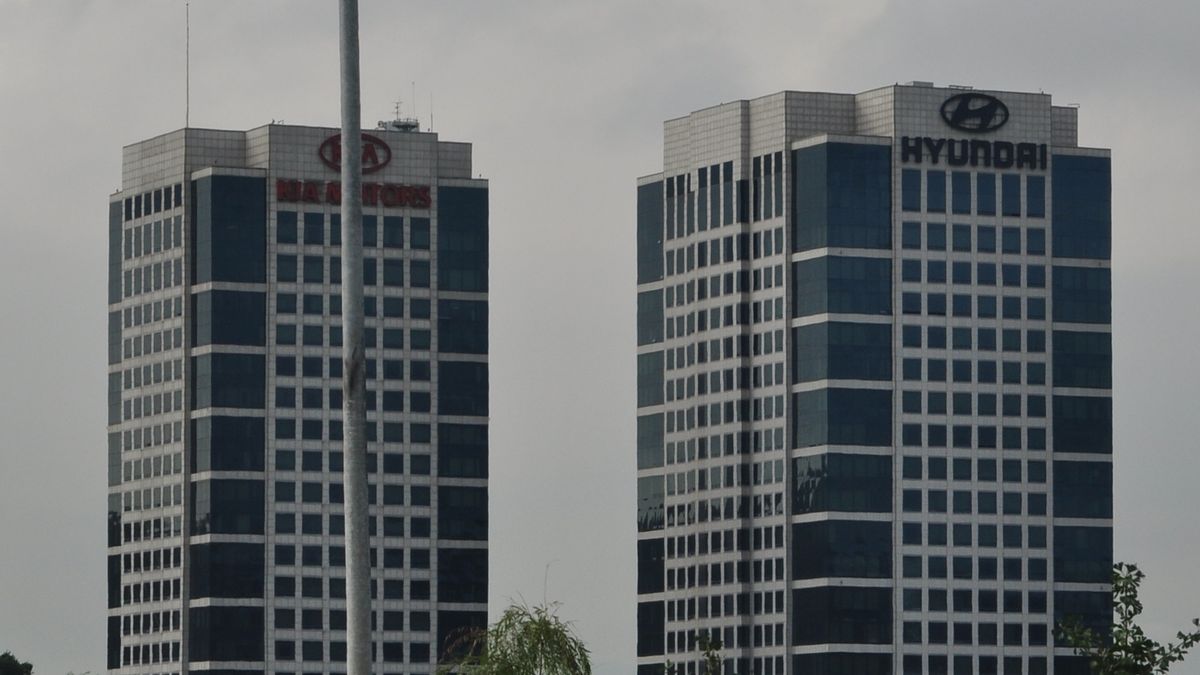
Hyundai Motor Co. said third-quarter operating profit rose 5.5% from a year earlier to 2.68 trillion won, beating analyst forecasts, but South Korea's largest carmaker cut its full-year targets for profitability, vehicle sales and investment after strikes and production problems ate into output.
The results, released Oct. 29, show how much a weak won is now doing for Korea's exporters. Hyundai sold 11.3% fewer vehicles than a year earlier and still earned more, because each dollar of overseas revenue converted into more won. For investors in Asia who hold Hyundai as a proxy for Korean manufacturing and U.S. consumer demand, the guidance cut matters more than the beat: the company now expects a noticeably thinner margin for 2026 than it promised in July.
Hyundai Motor's profit beat came from the currency
Revenue for July through September fell 3.4% to 45.11 trillion won, from 46.72 trillion won a year earlier, according to the company's results statement. Operating profit reached 2.677 trillion won, compared with 2.537 trillion won, and the operating margin widened to 5.9% from 5.4%.
Analysts had expected less. The LSEG SmartEstimate, which gives more weight to analysts with better forecasting records, was 2.4 trillion won, Reuters reported. Reuters said favorable exchange rates offset partial strikes and weak sales of older models.
The Korea Times reported that the won averaged 1,423 per dollar in the quarter, 2.8% weaker than a year earlier. Hyundai books much of its revenue abroad, so a cheaper won lifts reported earnings even when volumes fall.
Below the operating line the picture was weaker. Net profit, including non-controlling interests, dropped 24.2% to 1.93 trillion won from 2.55 trillion won, the company said.
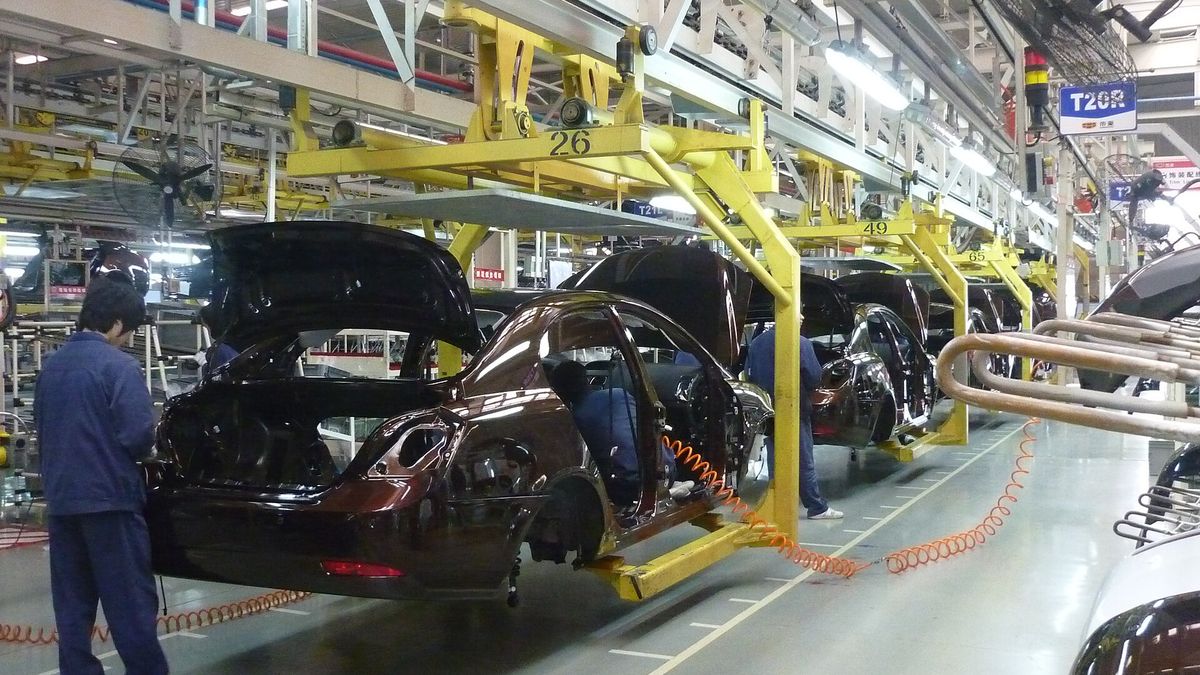
Volumes were the weak spot. Global wholesale sales fell to 920,710 vehicles from 1,038,353. Sales in Korea slid 27.2% to 131,468, and sales in the rest of the world fell 8% to 789,242. Hyundai blamed production constraints, disruptions linked to strikes, and fewer working days because of holidays. It said its U.S. market share stayed in the 6% range for a sixth consecutive quarter.
Hybrids gain as EV sales slip
Electrified models made up 26.7% of global sales, up 2.4 percentage points, but the growth came from hybrids rather than battery-electric cars. Hybrid sales rose 3.8% to 167,414 units, lifting their share of the total to 18.2%. Sales of fully electric vehicles fell 9.2% to 69,117. Total electrified sales, which also count plug-in hybrids and fuel-cell cars, slipped 2.7% to 245,540.
The shift fits a wider pattern among global carmakers, where buyers have favored hybrids while pure EV demand has cooled. Reuters noted that analysts point to growing competition from Chinese EV makers in Korea and Europe and to Hyundai's limited range of affordable EVs. BYD is now the third-largest foreign brand in Korea's imported car market, Reuters said.
Lee Seung-jo, an executive vice president, told analysts the company expects higher sales of the new Avante and Tucson models and the Genesis GV90, according to The Korea Times. He said Hyundai would also work to contain cost pressures and improve profitability.
Guidance cut for margin, volume and investment
Hyundai lowered its 2026 consolidated operating margin target to 5.5% to 6.5%, from 6.3% to 7.3%. It cut its wholesale target to 4 million vehicles from 4.16 million and reduced its planned automotive investment to 16 trillion won from 17.8 trillion won. It kept its forecast for consolidated revenue growth of 1% to 2%.
The company cited weaker global demand, production disruptions and higher raw material prices. In its statement, Hyundai said the revision does "not signal a deterioration in its underlying business competitiveness or earnings capability."
The cut reverses the stance Hyundai took in July, when it left its annual guidance unchanged and said it expected growth in the second half after a fire at a supplier, Reuters reported.
Hyundai said it would keep its quarterly dividend at 2,500 won per common share. The Korea Times reported that the payout is due Dec. 30. The results come as Korea's economy outperformed in the quarter, with growth of 1% that tripled the Bank of Korea's forecast.
Separately, Hyundai's U.S. unit recalled 94,622 vehicles over a front power-seat motor that could pose a fire risk, Reuters said.
The next test is volume. Hyundai's monthly sales reports for October and November will show whether production has recovered from the strike disruptions, and the 4 million-vehicle target leaves little room for further lost output.
Sources
- Hyundai Motor Company: Hyundai Motor Announces 2026 Q3 Business Results (Oct. 29, 2026)
- Reuters (via WHTC): Hyundai Motor reports 5.5% rise in Q3 operating profit, beats forecasts (Oct. 29, 2026)
- The Korea Times: Hyundai Motor's Q3 operating profit rises 5.5% despite external challenges (Oct. 29, 2026)
Our standards: Capital Times reports under the principles set out in our Editorial Standards and Ethics Policy. Spotted an error? Report it to our editors.