South Korea's October Exports Jump 93.7% to $115.3 Billion as Chip Sales Rise 259%
Semiconductors made up nearly half of all shipments, and the trade ministry says annual exports will pass $1 trillion in November.
What to know
- South Korea's exports rose 93.7% from a year earlier to $115.28 billion in October, the second-highest monthly total on record after September's $121.1 billion.
- Semiconductor exports climbed 259.4% to $56.44 billion, about 49% of all shipments, as the fixed price of a 16Gb DDR5 chip reached $50.
- Exports for January to October totaled $930 billion, and the trade ministry said annual exports are certain to pass $1 trillion in November.
SEOUL
South Korea's exports rose 93.7% from a year earlier to $115.28 billion in October, the Ministry of Trade, Industry and Resources said on Sunday, as semiconductor shipments jumped 259.4% to $56.44 billion on continued spending on artificial intelligence infrastructure.
For investors across Asia, the figures show the memory boom that lifted the record quarterly profits at SK Hynix is still running into the fourth quarter. Chips made up about 49% of Korea's total exports in October.
October was the second-highest month on record, behind September's $121.1 billion, and the second in a row above $110 billion. Imports rose 36% to $72.78 billion, leaving a trade surplus of $42.5 billion. Exports for January to October reached $930 billion, up 60.6%, according to the ministry, the first time the 10-month total has crossed $900 billion.
The ministry said Korea is now $70 billion short of $1 trillion in annual exports and that reaching the mark in November is all but certain. Industry Minister Kim Jung-kwan credited demand for chips and other advanced goods driven by AI, while warning that many small and midsize exporters still face protectionism, supply chain shifts and tension in the Middle East.
Memory prices and the Chuseok effect
The headline growth rate flatters the trend. The Chuseok holiday fell in October last year and in September this year, so October 2026 had more working days than a year earlier. Adjusted for working days, average daily exports rose 76% to $5.24 billion, the ministry said, still the second-highest daily rate on record.
Prices are doing much of the work in chips. The ministry's data show the fixed contract price of a 16Gb DDR5 memory chip rose to $50 in October from $40 in June. NAND flash prices were flat at $30.60 for a 128Gb chip. Monthly chip exports have now topped $50 billion twice, after a record $60.3 billion in September.
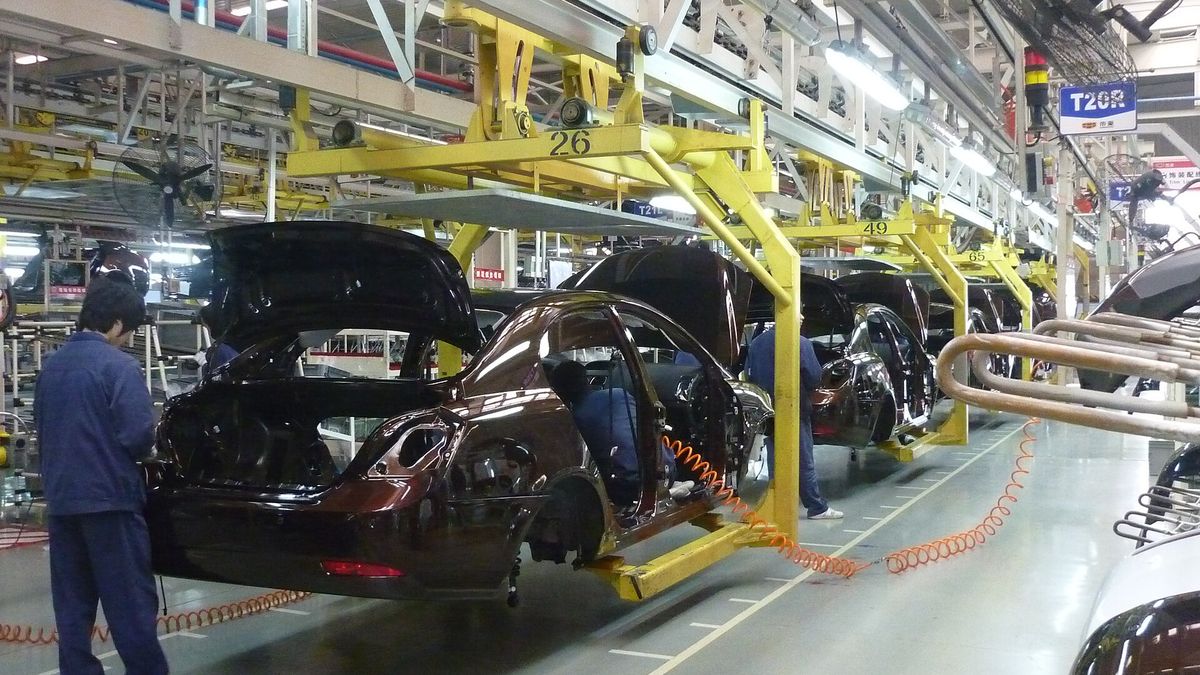
The AI build-out is also lifting goods outside the chip line. Computer exports, mostly server solid-state drives, rose 496.6% to $5.85 billion. Electrical equipment such as transformers and cables for data centers hit an all-time monthly high of $1.99 billion, up 74%. Eighteen of the 20 main export items grew. Exports excluding semiconductors rose 34%.
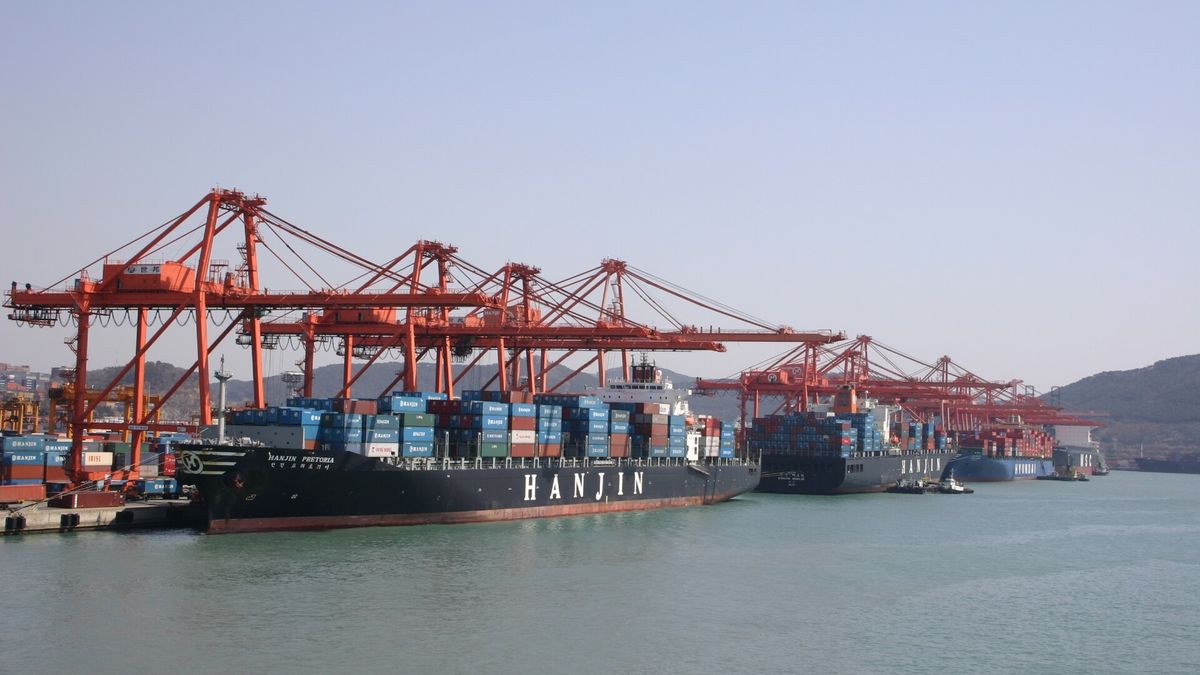
Car exports climbed 18.1% to $6.55 billion, the best October on record, helped by hybrid vehicles and the extra working days. Ships were the main drag, falling 43.6% to $2.64 billion because the year-earlier figure included a $2.47 billion offshore plant delivery. Cosmetics, food and bio-health products each set October records.
Oil prices swell both sides of the ledger
Higher energy prices inflated trade in petroleum. Refined product exports rose 80% to $6.92 billion and petrochemicals rose 27.5% to $4 billion, but shipped volumes fell 7.5% and 6.8% respectively, the ministry said. Dubai crude averaged $110.70 a barrel, up 70.4% from a year earlier.
On the import side, crude oil purchases rose 51.9% to $10.7 billion even though volumes slipped 6.3%, because unit prices were 62% higher. Energy imports overall rose 63.1%. Imports of chipmaking equipment rose 49.2% to $2.52 billion, and car imports rose 38.5% to $1.46 billion.
By destination, exports to China rose 133.6% to $26.98 billion, the fifth straight month above $20 billion. Shipments to the United States rose 185.8% to $24.9 billion, with chips, computers and electrical equipment leading. Exports to Southeast Asia rose 128% to a record $21.33 billion, and the European Union took $8.1 billion, up 56.4%. Exports to Latin America and the Commonwealth of Independent States fell, while seven of the nine main regions grew, the ministry said.
The cumulative surplus for the first 10 months was $294.9 billion, up $239.1 billion from a year earlier, ministry data showed.
The concentration cuts both ways for the country's stock market. Samsung Electronics, which said its 2027 HBM supply is already sold out, and SK Hynix now carry a growing share of national export earnings, and any turn in memory contract prices would show up quickly in the trade figures.
The next test is November. Korea needs $70 billion in shipments to reach $1 trillion, well below the $115.28 billion it sold abroad in October.
Sources
- Ministry of Trade, Industry and Resources: 2026년 10월 수출입 동향 (October 2026 Export and Import Trends) (Nov. 1, 2026)
- The Korea Times: Korea's monthly exports hit $115.3 bil. in Oct. on strong chip sales (Nov. 1, 2026)
- Xinhua: S. Korea's October exports nearly double on semiconductor surge (Nov. 1, 2026)
Our standards: Capital Times reports under the principles set out in our Editorial Standards and Ethics Policy. Spotted an error? Report it to our editors.