US and China Hold First Board of Trade Meeting, Discuss Tariff Cuts Before Shenzhen Summit
Beijing called the video meeting candid, in-depth and constructive but reported no outcome, with farm trade and the truce's January expiry still open as Xi Jinping and Donald Trump prepare to meet.
What to know
- U.S. and Chinese officials held the first meeting of their new Board of Trade by video on Nov. 13, China's Ministry of Commerce said.
- The talks covered tariffs, a reciprocal "30 billion for 30 billion" tariff-reduction arrangement and agricultural trade, according to the ministry.
- Xi Jinping will meet Donald Trump and Vladimir Putin in Shenzhen on Nov. 19, Xinhua reported, with the current trade truce due to lapse in January.
BEIJING
U.S. and Chinese trade officials held the first formal meeting of their new Board of Trade on Friday, Nov. 13, discussing a plan for each side to cut tariffs on $30 billion of the other's goods, China's Ministry of Commerce said. The ministry described the video conference as candid, in-depth and constructive, but neither government announced an agreement.
The meeting came days before President Xi Jinping is due to meet President Donald Trump in Shenzhen. For exporters across Asia, the stakes are practical: the current U.S.-China truce, which keeps a lid on tariffs and holds back Beijing's rare earth export controls, is due to lapse in January, according to Reuters.
What the Board of Trade Discussed
In a statement posted on Saturday, the commerce ministry said the two sides talked about tariffs, the reciprocal "30 billion for 30 billion" tariff-reduction arrangement, agricultural trade and other issues each side cares about. Negotiators will keep using the board to work through their concerns, the ministry said, adding that the aim was to lengthen the list of areas for cooperation and shorten the list of problems.
The Office of the U.S. Trade Representative confirmed the meeting on social media. It said the administration looked forward to continuing its engagement with China and wanted "fair and balanced trade" between the two largest economies, Reuters reported.
Trump and Xi agreed to set up the board when Trump visited Beijing in May, Reuters reported, citing USTR. At that summit China agreed to buy Boeing jets and U.S. farm products, according to the agency. When Xi visited the White House in September, the two sides agreed to lower tariffs on a $60 billion batch of non-sensitive goods, Reuters reported; Beijing describes the reciprocal plan as "30 billion for 30 billion."
China has made clear that more farm buying depends on that swap. A commerce ministry spokesperson said on Nov. 5 that additional purchases hinge on the reciprocal tariff deal, as Capital Times reported earlier this month.
A Truce on a Short Clock
The board's first session came days after both governments rolled the truce forward by two months. On Nov. 9 the commerce ministry said it would keep suspending, from Nov. 10, export control measures against 16 U.S. entities for another two months. Exporters that want to ship dual-use items to those companies must still apply for a licence, the ministry said. Capital Times has also covered the extension of China's rare earth export control pause.
The tariff picture underneath the truce has shifted several times this year. After the U.S. Supreme Court struck down the fentanyl-related tariffs and the reciprocal tariff regime in February, Trump imposed a temporary 10% global duty under a different statute, Reuters reported in a timeline of the dispute published this week. In July, Washington added 12.5% tariffs on goods from 60 trading partners, including China, over what it said were failures to curb imports made with forced labor.
Frictions outside the tariff talks have not gone away. On Nov. 7 the commerce ministry objected to U.S. sanctions announced on Nov. 5 against two Chinese companies, which the ministry said were imposed on grounds involving a third country. The spokesperson said recent U.S. restrictions had damaged the interests of Chinese firms and the stability of trade ties, and that Beijing reserved the right to take necessary measures. Reuters described the truce itself as fragile.
The Shenzhen Meetings
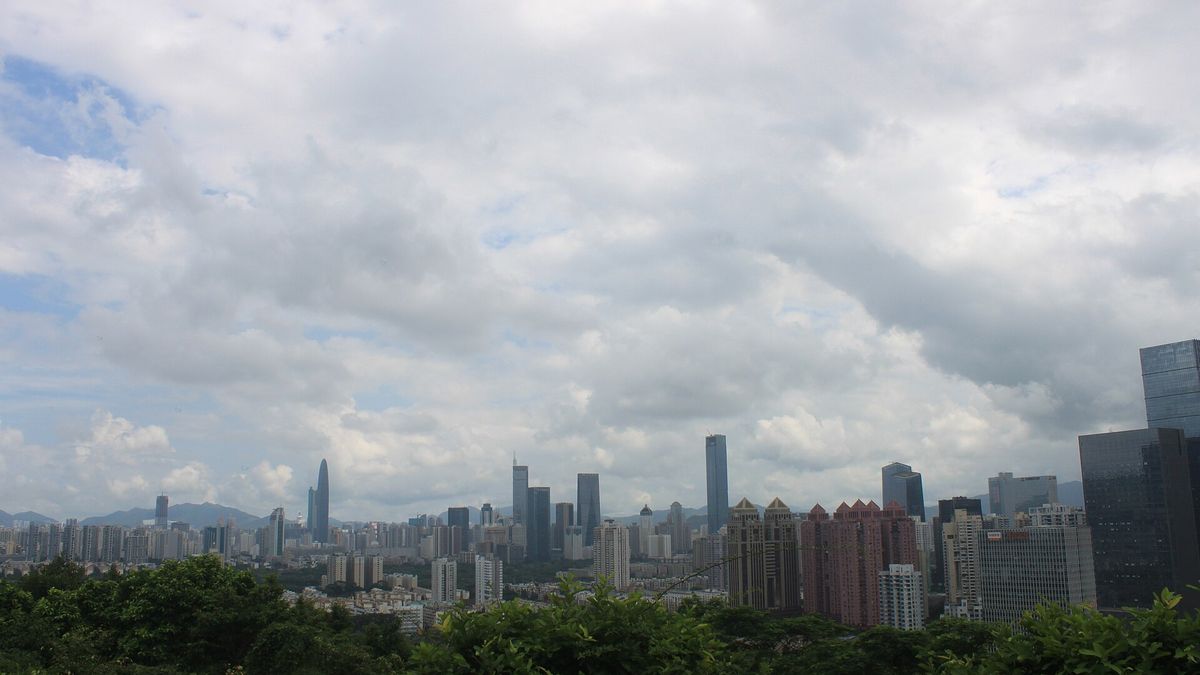
China's foreign ministry said on Monday that Xi will hold a three-way meeting with Trump and Russian President Vladimir Putin in Shenzhen on Nov. 19, Xinhua reported. Xi is also due to meet Trump on the sidelines of the Asia-Pacific Economic Cooperation leaders' summit in the city, according to Reuters.
Neither side has said what trade announcements, if any, will come out of Shenzhen. The most immediate questions for companies are whether the $30 billion tariff swap is finalized, whether the truce is extended beyond January, and for longer than two months, and whether China's suspended rare earth controls stay on hold. A longer extension would give manufacturers in Asia that rely on Chinese inputs more room to plan 2027 orders; another short rollover would put the same deadline back on the calendar in early January.
Readers looking for the terms still in force can find them in Capital Times' explainer on the truce.
The three leaders are due to meet on Thursday, Nov. 19. Beijing's suspension of controls on the 16 U.S. entities runs for two months from Nov. 10.
Sources
- Ministry of Commerce of the People's Republic of China: 中美举行中美经贸磋商机制项下贸易理事会首次会议 (China and the U.S. hold first Board of Trade meeting under the economic and trade consultation mechanism) (Nov. 14, 2026)
- Reuters, via GV Wire: US, China hold first Board of Trade meeting (Nov. 13, 2026)
- Reuters, via 102.7 WBOW: How Trump and Xi went from tariff war to trade truce (Nov. 16, 2026)
- Xinhua, via Gov.cn: 习近平将同俄罗斯总统普京、美国总统特朗普举行中俄美元首会晤 (Xi to hold China-Russia-U.S. leaders' meeting with Putin and Trump) (Nov. 16, 2026)
- Ministry of Commerce of the People's Republic of China: 商务部新闻发言人就调整出口管制管控名单措施答记者问 (Commerce Ministry spokesperson on adjusting export control list measures) (Nov. 9, 2026)
- Ministry of Commerce of the People's Republic of China: 商务部新闻发言人就美制裁中国企业答记者问 (Commerce Ministry spokesperson on U.S. sanctions against Chinese companies) (Nov. 7, 2026)
Our standards: Capital Times reports under the principles set out in our Editorial Standards and Ethics Policy. Spotted an error? Report it to our editors.