EU Sets Anti-Dumping Duties of Up to 27.9% on Cold-Rolled Steel From Japan, Taiwan, Vietnam
Brussels finalized five-country duties that take effect on Nov. 17, after finding the targeted imports took nearly a quarter of the EU's free market while their prices fell about a third.
What to know
- The European Commission imposed definitive anti-dumping duties of 9.5% to 27.9% on certain cold-rolled flat steel from India, Japan, Taiwan, Türkiye and Vietnam, in a regulation published on Nov. 16.
- Japanese imports face 27.9%, Taiwan's China Steel and Chung Hung Steel 20.7%, Vietnam 16% and India 9.5%, with the duties in force from Nov. 17.
- Imports from the five countries reached 1.69 million tonnes and a 23% share of the EU free market in the July 2024 to June 2025 investigation period, according to the regulation.
BRUSSELS
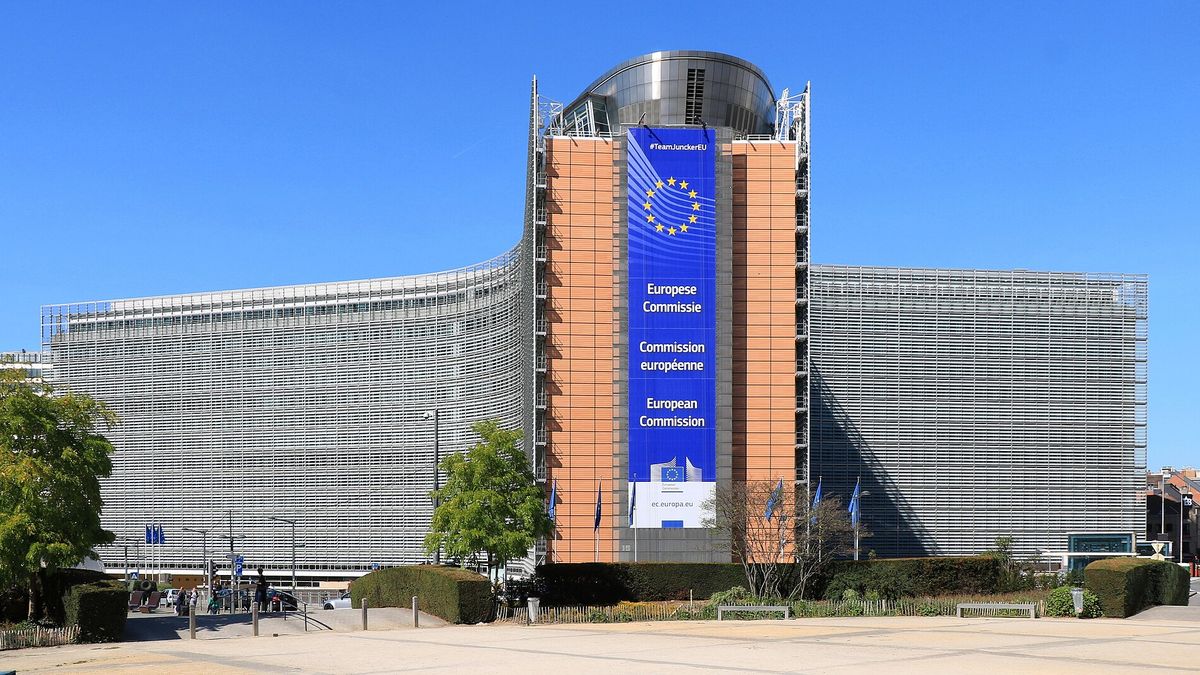
The European Union has imposed anti-dumping duties of up to 27.9% on cold-rolled flat steel from India, Japan, Taiwan, Türkiye and Vietnam, closing a 14-month investigation that targeted some of Asia's largest steelmakers. The European Commission adopted the measure on Nov. 13 and published it in the EU's Official Journal on Monday, Nov. 16. The duties take effect the following day, Nov. 17.
For Asian mills, the decision shuts another door in a market that has been absorbing more of their output. The regulation shows imports from the five countries rising 28% in volume between 2022 and the investigation period, which ran from July 2024 to June 2025, while their average price fell 34%. Japan, Taiwan and Vietnam together shipped roughly 937,000 tonnes in that period, by Capital Times' calculation from the regulation's tables, and all three now face double-digit rates.
Rates for Nippon Steel, China Steel and POSCO Vietnam
Japan received the steepest single-country rate. Nippon Steel and Daido Steel, the sampled Japanese producers, face 27.9%, as do other cooperating Japanese exporters and all remaining Japanese shipments.
Taiwan's sampled producers, China Steel Corp. and Chung Hung Steel Corp., were set at 20.7%, a rate that also applies to other cooperating Taiwanese companies listed in the annex. Taiwanese exporters that did not cooperate pay 27%. In Vietnam, POSCO Vietnam, a unit of South Korea's POSCO group, was assigned 16%, the same rate as every other Vietnamese exporter, including China Steel & Nippon Steel Vietnam and Hoa Sen Group. Indian shipments, including from JSW Steel, face 9.5%.
Turkish producers came off lightest. Tatmetal received 3%, Borçelik 7.8% and other cooperating Turkish companies 4.9%. Those figures are lower than the rates first circulated in August. According to GMK Center and SteelOrbis, the Commission revised the Turkish rates in October after Tatmetal and Borçelik challenged parts of the calculation, including inflation adjustments and freight costs. Daily Sabah, reporting the final measure on Monday, gave the same range of 3% to 7.8% for Türkiye.
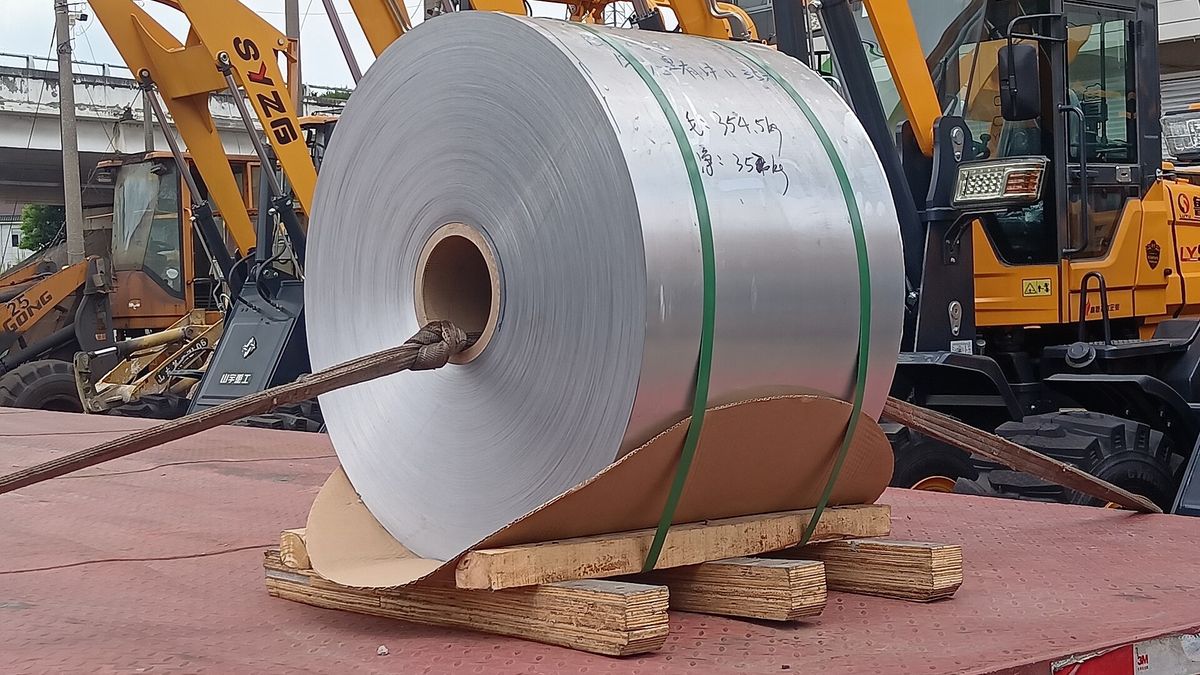
The product covered is uncoated cold-rolled flat steel. Stainless steel, electrical steels, thin "black plate" and high-speed steel are excluded. Cold-rolled sheet is the base material for car bodies, appliances and machinery, and it is also the feedstock for much of the coated steel sold in Europe.
Japan and Vietnam drove the volume growth
The regulation's import tables show where the pressure came from. Shipments from Japan nearly doubled to about 250,000 tonnes in the investigation period from 126,000 tonnes in 2022. Vietnam's grew almost fourfold, to about 188,000 tonnes from 48,000 tonnes. Taiwan's rose 70% to about 500,000 tonnes, making it the biggest supplier of the five ahead of India, at about 415,000 tonnes.
Together, the five countries shipped 1.69 million tonnes into the EU in the investigation period. Their share of the EU free market climbed to 23% from 16% in 2022, after peaking at 24% in 2024, the Commission found. Over the same span, the average price of the imports fell by between 30% and 43% depending on the country, with Vietnam showing the sharpest drop.
Daily Sabah, citing a Commission statement, put the value of EU imports of the products from Taiwan at 345 million euros and from Japan at 180 million euros, with India at 282 million euros and Vietnam at 125 million euros.
The European side of the case leaned heavily on China, even though Chinese steel was not under investigation. The complaint, lodged by the steel association EUROFER in August 2025, argued that Chinese overcapacity had pushed down prices in the exporting countries' home markets, distorting the benchmark used to measure dumping. The regulation cites a complainant figure that China held 47% of world crude steel capacity in 2024. Exporters including POSCO Vietnam and Tatmetal disputed that reasoning, arguing that a global trend could not be treated as a market situation particular to one country, but the Commission rejected the challenge.
EU producers' profit margins on the product slid from between 10% and 15% in 2022 to around break-even in 2023, the regulation said. Overall EU consumption was broadly flat, between about 31.3 million and 32.5 million tonnes a year.
No back-dated duties, but more pressure on exporters
One point went the exporters' way. Imports had been subject to registration since late 2025, which can let Brussels collect duties retroactively. The Commission ruled that retroactive collection requires provisional duties to have been imposed first, and since none were, it rejected EUROFER's request to backdate the measure.
Downstream users had warned of higher costs. The Turkish government, Nippon Steel, Taiwanese producers and German appliance maker BSH Hausgeräte were among the parties arguing that the measures would raise input prices for carmakers, machinery makers and appliance producers. The Commission said no users or consumers had cooperated with complete questionnaire replies, and it found that cold-rolled steel generally makes up only a limited share of those industries' production costs.
The duties land on top of the EU's revised steel safeguard, which took effect on July 1, 2026. The Commission said in the regulation that the two tools serve distinct legal purposes and cannot be treated as interchangeable, a position Eurometal also reported from the Commission's August disclosure. For exporters in Asia, the result is a stacked system of quotas and country-specific duties, adding to other EU trade cases such as its safeguard investigation into PET resin imports. Article 2 of the new regulation leaves room for new Taiwanese and Turkish exporters to apply for the cooperating rate if they can show they did not ship during the investigation period.
Sources
- Official Journal of the European Union (EUR-Lex): Commission Implementing Regulation (EU) 2026/2547 of 13 November 2026 imposing a definitive anti-dumping duty on imports of certain cold-rolled flat steel products originating in India, Japan, Taiwan, Türkiye and Vietnam (Nov. 16, 2026)
- Daily Sabah: EU imposes anti-dumping duties on steel from Türkiye, 4 other countries (Nov. 16, 2026)
- GMK Center: EU revises anti-dumping duties on Turkish cold-rolled steel (Oct. 27, 2026)
- SteelOrbis: EU lowers antidumping duties on CR flat steel from Turkey (Oct. 27, 2026)
- Eurometal: EU announces definitive AD duties on cold rolled steel imports from five countries (Aug. 7, 2026)
Our standards: Capital Times reports under the principles set out in our Editorial Standards and Ethics Policy. Spotted an error? Report it to our editors.