EU Opens Safeguard Probe Into PET Resin Imports After 27% Rise, Hitting All Origins
Unlike the anti-dumping cases already aimed at China, India and Korea, a safeguard would cover plastic bottle feedstock from every country, after imports climbed to 2.7 million tonnes.
What to know
- The European Commission opened a safeguard investigation on Nov. 6 into imports of PET, terephthalic acid, mono-ethylene glycol and purified isophthalic acid.
- Imports of the four chemicals rose 27% to 2.70 million tonnes between 2021 and 2025, lifting their share of EU consumption to 40% from 27%, according to the notice.
- Interested parties, including exporters in Asia, have 21 days from publication to send questionnaires and written views to the Commission.
BRUSSELS
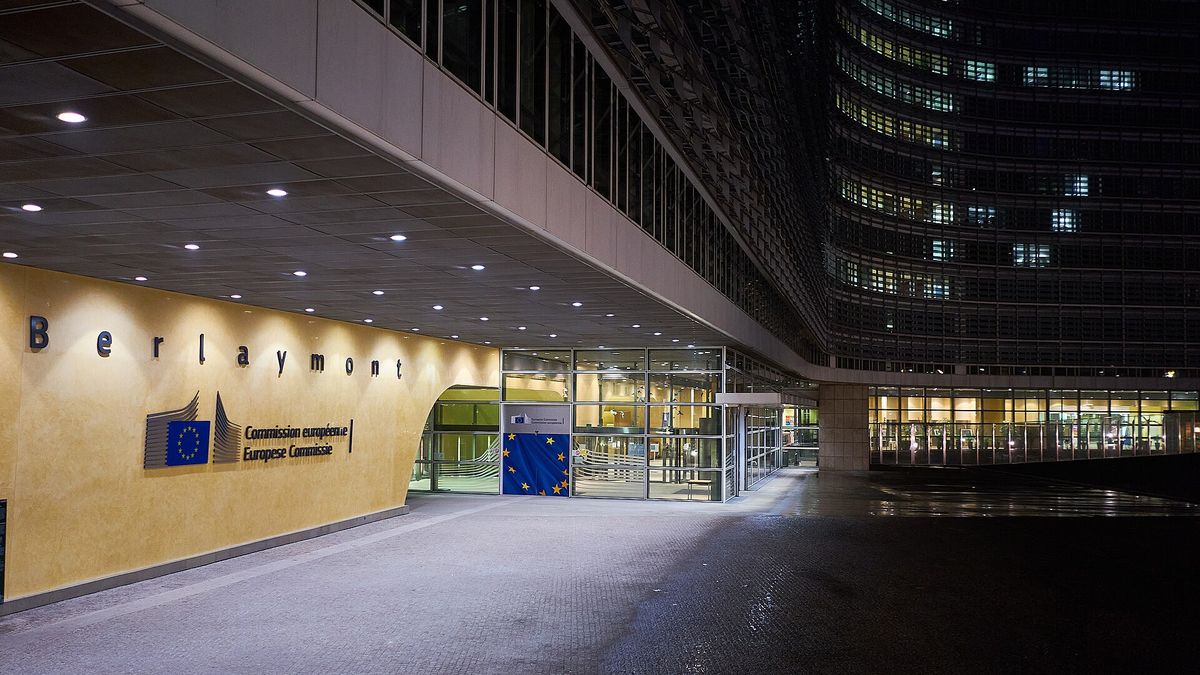
The European Commission has opened a safeguard investigation into imports of PET resin and three chemicals used to make it, after imports of the group rose 27% in four years to 2.70 million tonnes in 2025, according to a notice published in the EU's Official Journal on Nov. 6.
The case reaches further than the trade disputes Asian producers have grown used to in Brussels. Anti-dumping and anti-subsidy duties target named countries and require proof of unfair pricing or state support. A safeguard, the Commission says on its trade website, applies in principle to imports from all countries and does not require any finding of dumping or subsidies. For exporters in China, India and South Korea, which already face EU duties on parts of this chain, that means a single decision could reset access to the market regardless of existing duty rates.
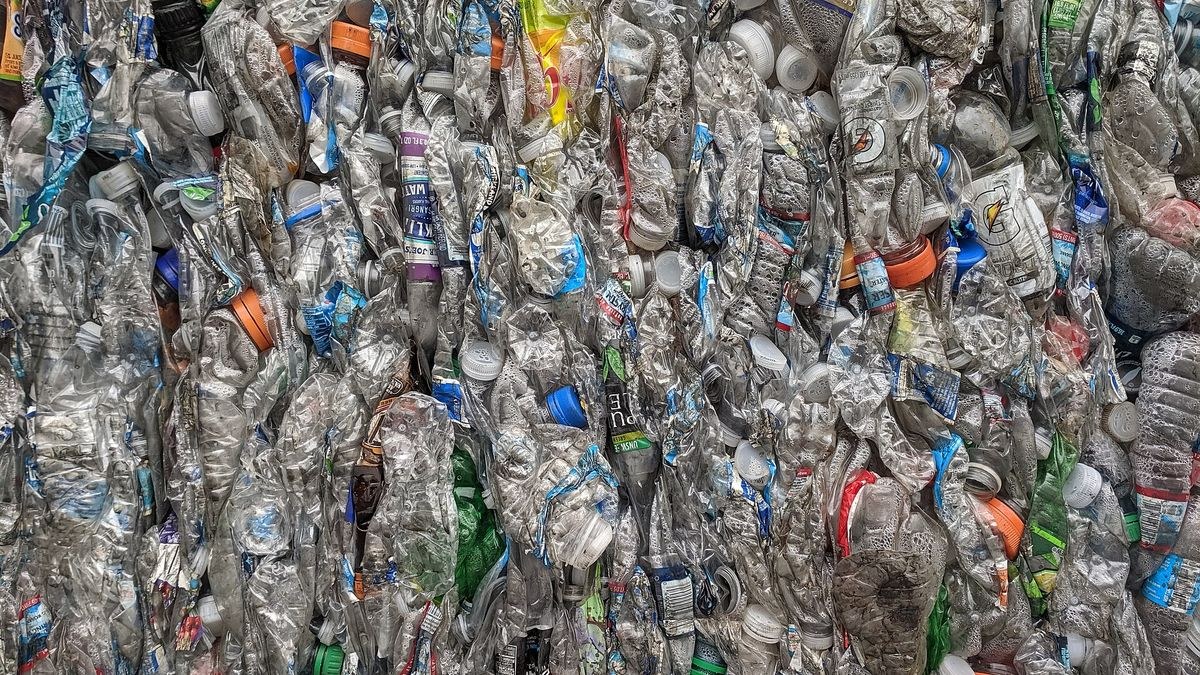
The investigation covers four products: polyethylene terephthalate (PET) with a viscosity number of 78 ml/g or higher, including virgin and recycled PET and PET-G; terephthalic acid (TA); mono-ethylene glycol (MEG); and purified isophthalic acid (PIA). TA, MEG and PIA are mainly used to make PET, which goes mostly into packaging, especially bottles, the notice said.
Member states asked Brussels to act on PET imports
The Commission said it acted on a request from member states, rather than an industry complaint. According to the request, the ratio of imports to EU consumption rose to 40% in 2025 from 27% in 2021. Measured against EU production, imports climbed to 62% from 30% over the same period, a 105% increase.
The notice blamed "unforeseen developments", chiefly new production capacity outside the bloc. It put global spare capacity for the four chemicals at about 67.84 million tonnes, which it said exceeds EU consumption by 917%. Even a small share of that output redirected to Europe could cause further injury, the Commission said.
It also pointed to trade diversion. Many third countries have adopted their own trade defence measures in recent years, closing markets and pushing more product toward the EU, the notice said. The investigation will examine those recent developments, including any diversion of shipments toward Europe.
The evidence so far shows imports have cut the market share of EU producers and put pressure on sales volumes, leaving the industry with a negative or low level of profit, according to the notice. The Commission's announcement said European manufacturers face "unprecedented difficulties" from import pressure.
Existing duties on China, India and Korea already in place
The Commission listed the trade defence measures already in force along the PET chain: anti-dumping duties on PET from China, anti-subsidy duties on PET from India, anti-dumping duties on terephthalic acid from South Korea and Mexico, and anti-dumping duties on mono-ethylene glycol from Saudi Arabia and the United States.
Those country-specific measures have not stopped the overall rise in imports, according to the figures in the request. A safeguard would close the gap left when trade shifts to suppliers outside the scope of existing duties, while cases such as the one on Chinese car tyres remain limited to a single origin.
The bar is higher than in an anti-dumping case. The Commission must find "serious" rather than "material" injury, and imposing measures requires support from a qualified majority of member states, the Commission said. Safeguards have "only been used sparingly by the EU", its trade website said.
What PET exporters face next
The Commission published questionnaires for EU producers, importers and users on the day of the notice. Completed questionnaires and written submissions from all interested parties, including exporting producers and third-country governments, must reach the Commission within 21 days of publication. Parties should make themselves known within 15 days.
If the investigation confirms serious injury and the Commission judges action to be in the EU's interest, it may propose provisional measures. Definitive measures must then follow within 200 days of any provisional ones and no later than nine months after the start of the case, extendable to 11 months, according to the announcement. The Commission's trade website says safeguards can last up to four years, extendable to a maximum of eight.
The first deadline falls in late November, when the Commission expects the 21-day window for submissions to close.
Sources
- Official Journal of the European Union (EUR-Lex): Notice of initiation of a safeguard investigation concerning imports of certain polyethylene terephthalate resin chemicals (C/2026/5775)
- European Commission, Directorate-General for Trade and Economic Security: Commission initiates safeguard investigation into imports of PET resin chemicals
- European Commission, Directorate-General for Trade and Economic Security: Safeguards
Our standards: Capital Times reports under the principles set out in our Editorial Standards and Ethics Policy. Spotted an error? Report it to our editors.