Riksbank Raises Rate to 2%, First Hike Since 2023, as Norges Bank Holds at 4.5%
Sweden tightened for the first time in three years and signaled more to come, while Norway paused after September's increase and warned it could move again.
What to know
- Sweden's Riksbank raised its policy rate by 0.25 percentage point to 2% on Nov. 4, its first increase since 2023, effective Nov. 11.
- Norges Bank kept its policy rate at 4.5% on Nov. 5, as all 26 economists in a Reuters poll expected, and said it was prepared to raise it if needed.
- Both banks cited cost pressures linked to the Middle East conflict and publish new forecasts in December: the Riksbank on Dec. 16 and Norges Bank on Dec. 17.
STOCKHOLM
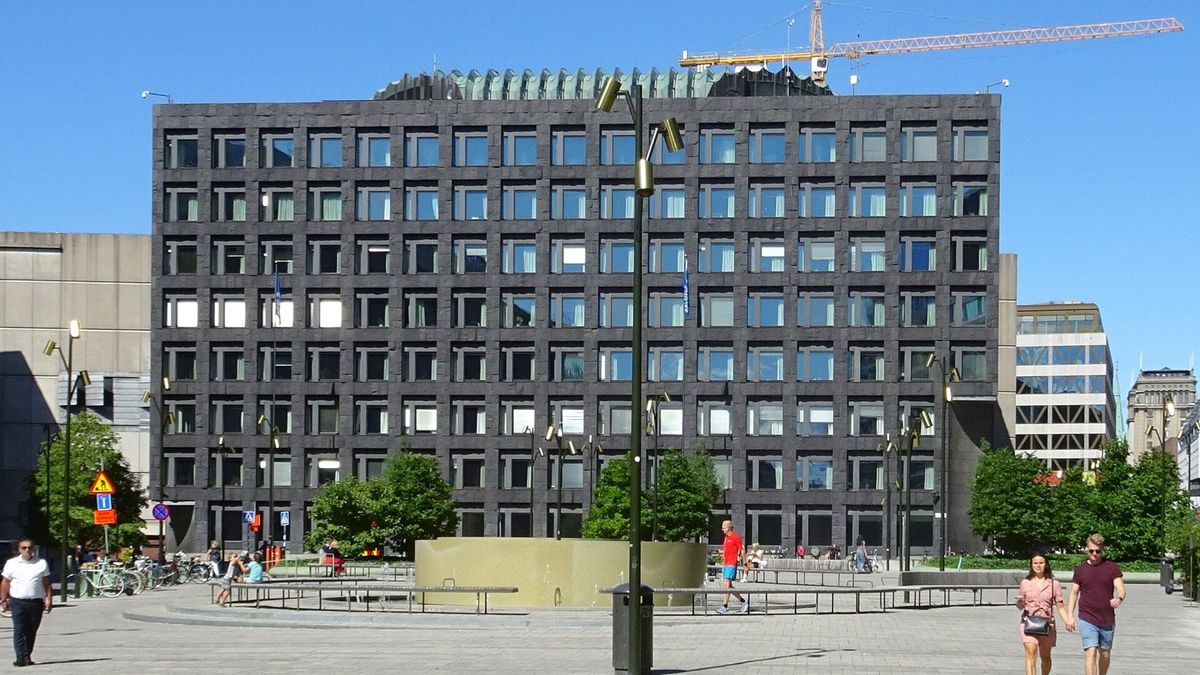
Sweden's central bank raised its policy rate by a quarter of a percentage point to 2% on Wednesday, Nov. 4, its first increase since 2023 according to Reuters, and said more hikes were likely over the coming year. A day later, Norway's Norges Bank left its own rate at 4.5% but warned that it stood ready to tighten again.
The two decisions put Scandinavia firmly in the camp of central banks that are raising, not cutting, borrowing costs as the energy and supply shock tied to the war in the Middle East feeds into prices. For investors in Asia, the pattern is familiar. The Reserve Bank of Australia lifted its cash rate to 4.85% on Tuesday, its fifth hike this year, according to a Reuters report, and the European Central Bank is widely expected to tighten in December after it held rates in October. Tighter policy in Europe also changes the rate differentials that drive currency and bond flows into the region.
Riksbank turns to tightening
The Riksbank's Executive Board, led by Governor Erik Thedeen, said stronger economic activity combined with cost increases from supply disruptions meant inflation was expected to keep rising. The new rate takes effect on Nov. 11.
Sweden's own inflation numbers still look tame on the surface. CPIF inflation, the bank's target measure, was 1.5% in September, in line with its forecast. The bank said temporary fiscal measures were holding the figure down: stripping out their direct effects, CPIF inflation was 3%. The gauge the Riksbank considers the best guide to underlying inflation, which also excludes energy, came in at 1.6%, slightly below expectations.
The bank leaned instead on what lies ahead. It expects a firmer economy, cost pressures from supply disruptions and a weaker krona this year to push both CPIF and underlying inflation above 2% next year. Preliminary data showed GDP grew in the third quarter and employment rose, both in line with its forecast. Household sentiment fell in October, while business sentiment improved further.
If that outlook holds, the Riksbank said, further increases are likely in the coming year, in line with the rate path it published in September. It listed risks on both sides: supply disruptions could keep inflation too high and growth could run faster than expected, while the labor market recovery remains uncertain and global demand could weaken on geopolitical tension, concerns about AI investment and weak public finances in some countries.
Norges Bank stays on hold, hawkish
Norges Bank's Monetary Policy and Financial Stability Committee decided at its Nov. 4 meeting to keep the rate at 4.5%, the bank said in a statement released Thursday. All 26 economists in a Reuters poll conducted Oct. 29 to Nov. 2 had expected a hold, and most expected no further hikes, according to the Reuters report carried by RTE.
"Inflation is too high," Governor Ida Wolden Bache said in the statement. She added that the rate would likely need to stay elevated for a time and that the bank was prepared to raise it if needed.
Norway raised its rate from 4.25% to 4.5% in September, the second increase in a cycle that began in May, according to Reuters. Since then, the committee said, oil spot prices have fallen but futures prices have risen somewhat, and gas and electricity prices have moved up. Price impulses from abroad to imported goods have climbed further, as expected.
The krone has worked in the other direction. It has appreciated and is stronger than the bank assumed, which helps restrain imported inflation. Headline CPI inflation was 3.4% in September and the core measure, CPI-ATE, was 3%, well above the 2% target. Inflation in domestically produced goods and services has run higher than projected in the September report.
The labor market has held up. Registered unemployment has been a little lower than projected and employment rose slightly more than expected, the bank said. Capacity utilization appears to be slightly below normal. The November meeting was an interim one without new forecasts, and the committee said it had seen nothing that changed the outlook materially since September. At that meeting, the bank projected that inflation would return to 2% in 2029.
What comes next
The two banks start from very different places. Norway's policy rate is more than twice Sweden's after Norway's years of inflation above target. What they now share is a bias toward tighter policy and a reluctance to signal any easing.
Both will update their forecasts within days of each other next month. The Riksbank publishes the minutes of its November meeting on Nov. 10 and its next Monetary Policy Report on Dec. 16. Norges Bank announces its next decision, with Monetary Policy Report 4/26, on Dec. 17.
Sources
- Sveriges Riksbank: Policy rate raised to 2 per cent (Nov. 4, 2026)
- Norges Bank: Policy rate kept unchanged at 4.5 percent (Nov. 5, 2026)
- Norges Bank: Policy rate raised to 4.50% (Sept. 24, 2026)
- RTE (Reuters): Norway central bank keeps rate on hold, may hike again (Nov. 5, 2026)
- Anadolu Agency: Norway holds policy rate at 4.5%, keeps door open to further hikes (Nov. 5, 2026)
Our standards: Capital Times reports under the principles set out in our Editorial Standards and Ethics Policy. Spotted an error? Report it to our editors.