U.S. Services PMI Eases to 54.5 as Prices Stay at 73 and Memory Costs Climb for 10th Month
All 10 ISM services indexes expanded in October for the first time since February, while purchasers cited tariffs on Southeast Asian goods and costly freight from Asia.
What to know
- The ISM Services PMI fell to 54.5 in October from 54.9 in September, its 28th straight month above the 50 line that separates growth from contraction.
- The services prices index registered 73, down from 74, and has stayed above 60 for 23 consecutive months, according to the Institute for Supply Management.
- Purchasers reported memory products rising in price for a 10th straight month, and all three commodities in short supply were related to computer technology.
NEW YORK
U.S. services activity grew at a slightly slower pace in October, but the price pressure that purchasing managers reported barely let up. The Institute for Supply Management's Services PMI slipped to 54.5 from 54.9 in September, the group said on Wednesday, while its prices index registered 73, just below September's 74.
For Asian exporters and investors, the details matter more than the headline. Respondents to the survey said memory products rose in price for a 10th straight month and memory components were in short supply. The three commodities listed as scarce were all tied to computer technology. A wholesale trade respondent said Section 301 duties were raising costs on canned and dry goods from Southeast Asia, and that ocean freight from Asia remained elevated and volatile.
Growth holds up across U.S. services
The October reading was the 28th consecutive month above 50, the level that separates expansion from contraction. Continuum Economics had expected 55.0 in a preview published before the release, so the result came in a little softer than that forecast.
Under the surface, the picture was mixed. The business activity index fell 2.7 points to 53.8, and new orders dropped 3.9 points to 55.9. Employment rose 1.3 points to 51.4, its second month in expansion. New export orders swung back above 50, jumping 8.3 points to 55.2 after one month in contraction, and the imports index climbed to 54.2, its fourth month of growth.
For the first time since February, all 10 ISM services indexes were in expansion territory, said Steve Miller, who chairs the ISM Services Business Survey Committee. Fifteen industries reported growth, led by transportation and warehousing, wholesale trade and information. Only construction and health care and social assistance contracted.
The backlog of orders index rose to 58, its highest since July 2022. The supplier deliveries index, where a higher reading means slower deliveries, rose to 56.7, second only to April 2026 since mid-2022.
The services report followed a stronger manufacturing reading. ISM said on Monday that its Manufacturing PMI rose to 55.5 in October from 54.5, with production at its highest since November 2021. Capital Times covered what that factory survey means for Asian exporters earlier this week.
Prices stay hot, and more may be coming
The services prices index has now exceeded 60 for 23 straight months, and its 12-month average edged up to 69.2, the highest since April 2023, ISM said. October was the seventh time in eight months that the index topped 70. No commodity was reported down in price, and fuel was reported higher for a ninth month.
Continuum Economics had forecast the prices index would rise to 75.0. The actual reading of 73 was softer, though still far above the long-run comfort zone for a central bank trying to bring inflation down.
Miller said tariffs and fuel costs remained the issues respondents cited most. Many firms, he said, had not yet seen the full impact of those costs or had not passed them on to customers, which suggests "more pricing pressure is on the way" if oil and tariff costs are not mitigated. An information company respondent said it had absorbed higher fuel costs rather than raise prices, on the view that the increase would be short-lived.
On the factory side, ISM's manufacturing prices index eased to 75.2 from 77.9. Susan Spence, chair of the manufacturing survey committee, said pricing volatility appeared in 62% of negative comments, longer lead times in 41%, tariffs in 25% and the Iran war in 21%.
What it means for Asia
Steady U.S. service demand and rising imports are supportive for Asian suppliers, especially in electronics. The memory readings add to evidence of tight chip supply, a key issue for South Korea and Taiwan; Capital Times reported earlier that memory contract price gains narrowed in October, according to TrendForce. A 10th straight month of reported memory price increases from U.S. buyers suggests end users are still paying more.
The flip side is the U.S. inflation outlook. Prices indexes in the 70s in both the services and factory surveys point to sticky cost pressure, which keeps U.S. interest rates and the dollar in focus for Asian currencies and bond markets. Southeast Asian food and consumer goods exporters also face a direct hit from the Section 301 duties that the wholesale respondent described as being in force since late July.
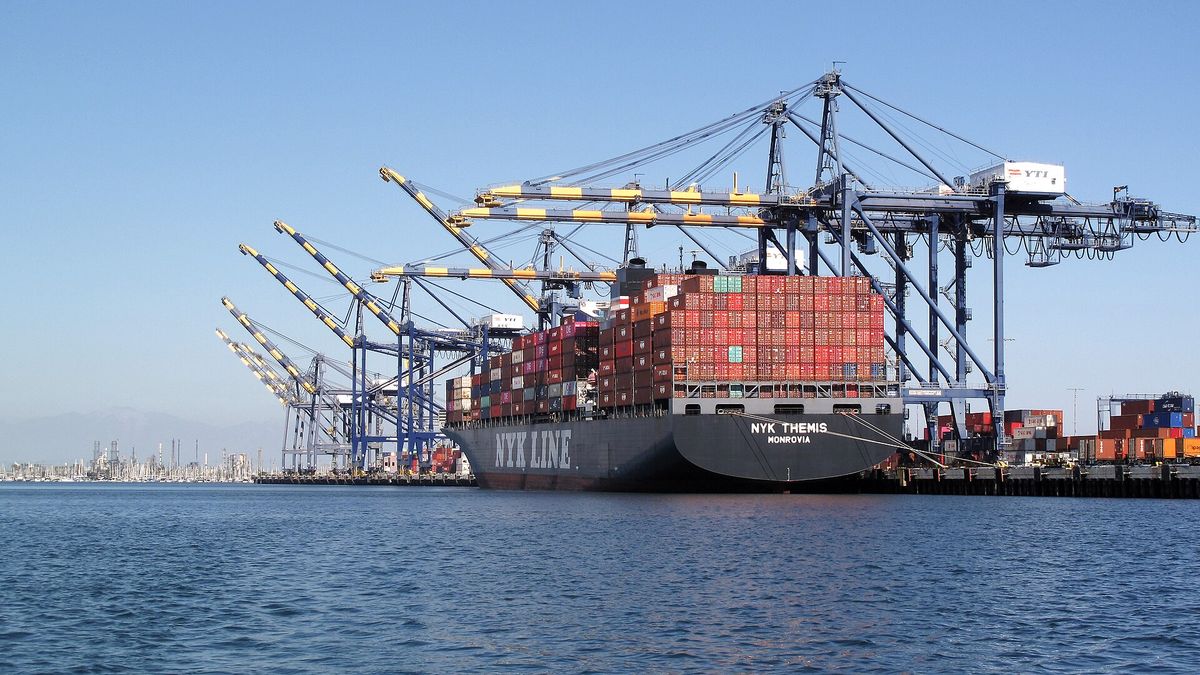
The survey also pointed to shipping strain: a respondent warned of U.S. East Coast port congestion expected in November, and some Asian suppliers had delayed shipments by weeks or months.
The next test comes with ISM's November services report, which will show whether the prices index stays above 70 for an eighth time in nine months.
Sources
- Institute for Supply Management (via PR Newswire): Services PMI at 54.5%; October 2026 ISM Services PMI Report
- Institute for Supply Management (via PR Newswire): Manufacturing PMI at 55.5%; October 2026 ISM Manufacturing PMI Report
- Continuum Economics: Preview: Due November 4 - U.S. October ISM Services - Edging higher
Our standards: Capital Times reports under the principles set out in our Editorial Standards and Ethics Policy. Spotted an error? Report it to our editors.