U.S. Retail Sales Rise 0.2%, Industrial Output Falls 0.4% as Equipment Production Climbs
Shoppers cut back on cars and furniture but kept buying online, while factories built more business equipment and New York manufacturers hired at the fastest pace since 2022.
What to know
- U.S. retail and food services sales rose 0.2% in October to $748.2 billion, after a 0.8% gain in September, the Census Bureau said on Tuesday.
- Industrial production fell 0.4% in October as utilities output dropped 4.3%, while manufacturing rose 0.3% and business equipment output climbed 1.0%, the Federal Reserve said.
- The New York Fed said its Empire State general business conditions index fell to 7.8 in November from 25.5 in October, but its employment index rose to 18.1, the highest since June 2022.
WASHINGTON
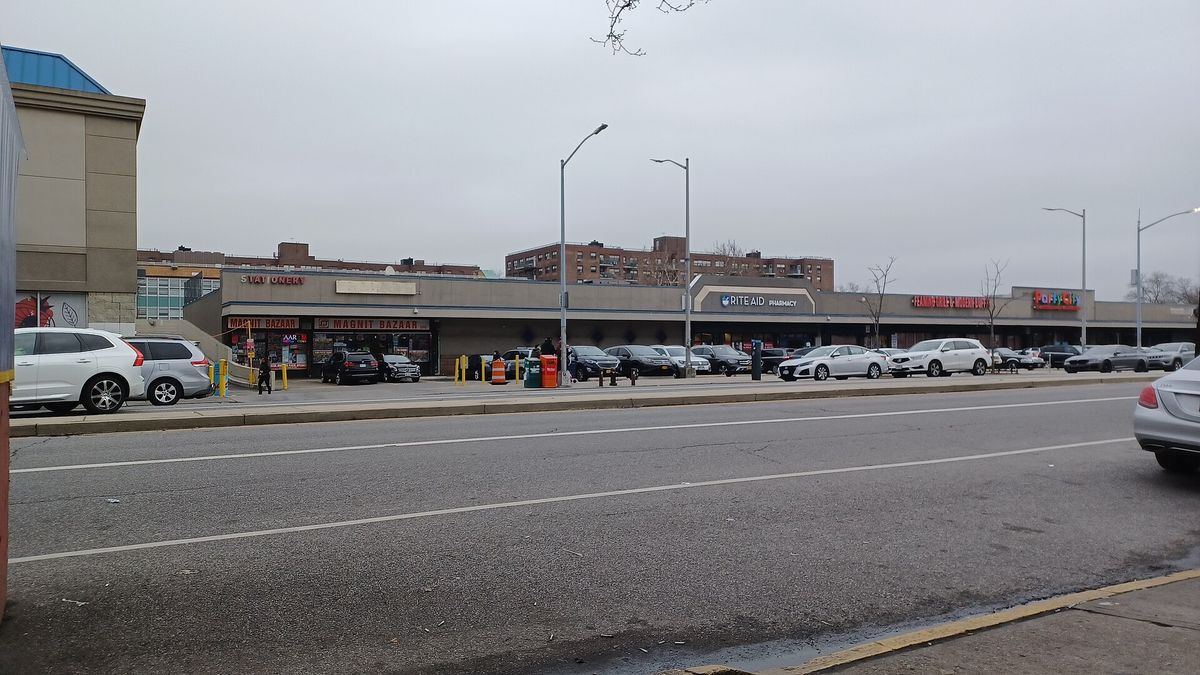
U.S. retail sales rose 0.2% in October, the Census Bureau said on Tuesday, as households spent less on cars and furniture but kept buying online and eating out. Sales of retailers and food services reached $748.2 billion, after a 0.8% gain in September that the bureau left unrevised. A separate Federal Reserve report showed industrial production fell 0.4% in the month, dragged down by a sharp drop in utility output.
For Asia, the two reports point in the same direction. American demand for goods is cooling at the edges but has not cracked, and U.S. factories are producing more of the business equipment that relies on parts and machinery from the region. That combination keeps pressure on prices, and on the Federal Reserve.
Car dealers and furniture stores drag on October sales
Receipts at motor vehicle and parts dealers fell 1.6% from September, and furniture and home furnishings stores reported a 2.3% decline, according to the Census data. Sales at electronics and appliance stores were flat, and clothing stores slipped 0.7%. Nonstore retailers, the category that covers online sellers, posted a 1.2% increase, building material dealers gained 0.5% and restaurants and bars rose 0.2%.
Compared with October 2025, total sales were 6.8% higher. The figures are not adjusted for inflation, so part of that growth reflects higher prices rather than more goods leaving shelves.
Reuters reported that economists had expected the 0.2% headline gain. The more closely watched "control group," which strips out autos, gasoline, building materials and food services, rose 0.6%, ahead of a 0.4% forecast, according to the news agency. Reuters said September's control-group reading was revised up to 0.5%.
Scott Anderson, chief U.S. economist at BMO Capital Markets, told Reuters that households were stretched but “not yet ready to throw in the towel.” The agency also noted that inflation-adjusted disposable income fell 0.3% in September and that the saving rate had dropped to a near four-year low.
For Asian exporters that ship furniture, apparel and household goods to American retailers, the category detail matters more than the total. Furniture and clothing stores both lost ground in October, while online sales kept growing.
Factories make more equipment as utilities fall back
The Fed said manufacturing output rose 0.3% in October, but mining fell 0.8% and utilities output dropped 4.3% after a 4.4% jump in September. Both electric and natural gas utilities declined. Total industrial production stood 2.1% above its year-earlier level, and capacity utilization slipped to 76.4%, 3.0 percentage points below its 1972 to 2025 average.
The strongest category was business equipment, where output rose 1.0%. Production of motor vehicles and parts climbed 4.4%, according to the Fed, which meant factory output outside autos edged down 0.1%. Consumer goods production fell 0.7%. ANI, which also reported the release, carried the same figures.
Equipment demand is the thread that runs back to Asia. Earlier coverage of the October ISM manufacturing survey and Asian exporters looked at the same supply chain from the purchasing side.
Import prices told a similar story on Tuesday. Reuters, citing the Bureau of Labor Statistics, reported that U.S. import prices rose 1.1% in October, above a 0.7% forecast, with fuel costs up 3.6%. Excluding fuel and food, import prices climbed 0.9%, and imported capital goods rose 1.5%, led by a 1.7% increase in nonelectrical machinery, the news agency said. Because the index excludes tariffs, it reflects what foreign sellers are charging, not duties paid at the border.
New York factories hire as orders slow
A day earlier, the Federal Reserve Bank of New York reported that its Empire State Manufacturing Survey's general business conditions index fell about 18 points to 7.8 in November, after climbing to 25.5 in October, its highest reading in several years, according to the bank's October report. New orders slowed to 3.0, and the survey was collected from Nov. 2 to Nov. 9.
Hiring moved the other way. The employment index rose to 18.1, the highest since June 2022, and the capital spending index rose nine points to 23.0, its highest since December 2022, the New York Fed said. The prices paid index fell about 14 points to 45.9, a sign that input costs are still rising but more slowly, and the prices received index dipped to 27.2.
Firms grew more upbeat about the next six months. The future business conditions index rose eight points to 28.9, according to the New York Fed.
What it means for rates
Reuters said the retail and import price reports reinforced economists' expectations that the Fed would keep raising rates after a widely expected move in December. Futures markets priced a 25-basis-point increase next month and another in January, the agency reported, citing CME's FedWatch tool. The Fed held its benchmark range at 3.75% to 4.00% at its October meeting.
Capital Times covered October's U.S. consumer price data last week.
The next markers are close. The Fed plans to publish its annual revision of industrial production and capacity utilization on Nov. 24, moving the base year to 2022, and the Census Bureau's November retail report is due on Dec. 16.
Sources
- U.S. Census Bureau: Advance Monthly Sales for Retail and Food Services, October 2026 (Nov. 17, 2026)
- Federal Reserve Board: Industrial Production and Capacity Utilization - G.17 (Nov. 17, 2026)
- Reuters (via AOL): US retail sales increase moderately; import prices rise above expectations (Nov. 17, 2026)
- Reuters (via The Globe and Mail): U.S. retail sales increase moderately; import prices rise above expectations (Nov. 17, 2026)
- ANI (via The Tribune): US industrial production declines 0.4 pc in October, manufacturing output rises 0.3 pc: Federal Reserve (Nov. 17, 2026)
- Federal Reserve Bank of New York: Empire State Manufacturing Survey, November 2026 (Nov. 16, 2026)
- Federal Reserve Bank of New York: Empire State Manufacturing Survey, October 2026 (Oct. 15, 2026)
Our standards: Capital Times reports under the principles set out in our Editorial Standards and Ethics Policy. Spotted an error? Report it to our editors.