China's Central Bank Bought 63 Tonnes of Gold in Q3, Leading Asia's Official Buyers
The People's Bank of China had its strongest quarter of gold purchases since 2023, while Central Asian banks kept adding and India held steady.
What to know
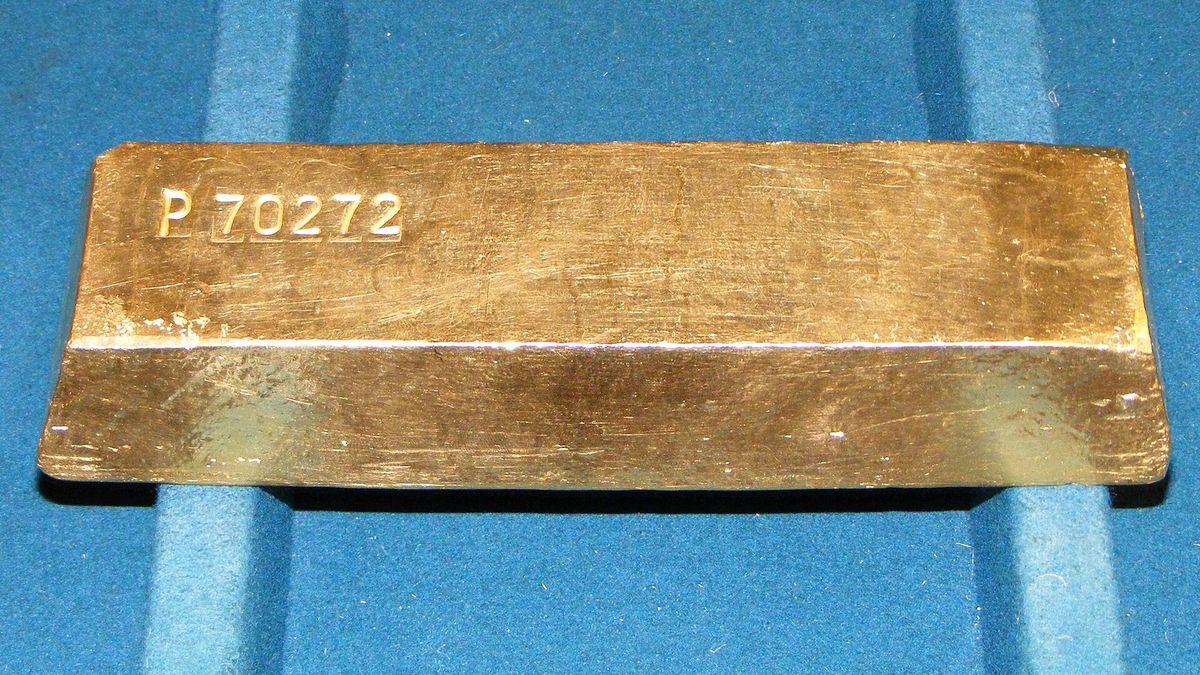
- The People's Bank of China added 63 tonnes of gold in the third quarter, its strongest quarter since the third quarter of 2023, according to the World Gold Council.
- China's official gold holdings reached 2,410 tonnes, or 8.5% of reserves, after a 23-tonne purchase in September, the largest monthly addition since October 2023.
- The Reserve Bank of India said in June its gold holdings were unchanged at 880.52 tonnes, rejecting reports that it had sold gold.
HONG KONG
The People's Bank of China bought 63 tonnes of gold in the third quarter of 2026, its largest quarterly addition since the same period of 2023, according to the World Gold Council. The purchases capped a quarter in which Asian central banks did much of the world's official buying while European and Middle Eastern holders were split between buyers and sellers.
For investors in Asia, the numbers matter because official demand has become one of the steadier supports under the gold price. Private buyers in the region have pulled back: wholesale demand in China fell 21% from a year earlier in the third quarter, the council said. Central banks kept buying anyway, and they bought harder as prices fell.
PBOC steps up as prices slide
That pace is well above the roughly 40 tonnes China added in the whole first half, based on the council's year-to-date figure. The Chinese central bank added 23 tonnes in September alone, the most in any month since October 2023, the council said in an Oct. 15 update by Ray Jia, its head of research for Asia Pacific outside India. September was the 23rd straight month of reported purchases, and buying so far this year totals 103 tonnes.
The timing is telling. The LBMA gold price in U.S. dollars fell 8.5% in September, according to the council, and China raised its pace in the same month. In August the bank had added 20 tonnes, the World Gold Council's monthly statistics showed. The price peaked at $4,663.70 an ounce on Aug. 24, according to the LBMA's quarterly market report, up from a quarterly low of $3,978.55 on July 1.
China's official gold now stands at 2,410 tonnes, or 8.5% of total reserves, the council said. Total Chinese reserves slipped 2% in September to $3.8 trillion, mainly because foreign currency assets lost value.
Chinese households have not abandoned gold. Domestic gold exchange-traded funds took in 11 tonnes in September, their third monthly inflow in a row, and holdings hit a month-end record of 304 tonnes. Jewelry buying is the weak spot, and it dragged wholesale demand to 234 tonnes in the quarter, 44% below the 10-year average.
Central Asia and Poland keep adding
Outside China, the most consistent Asian buyers this year have been in Central Asia. Uzbekistan added 8 tonnes in August and about 50 tonnes so far this year, lifting its holdings to roughly 439 tonnes, or 90% of reserves, according to the council's October statistics. Kazakhstan bought 7 tonnes in August and close to 36 tonnes this year; gold now makes up 79% of its reserves.
Global net buying reached 39 tonnes in August and about 170 tonnes for the year through that month, the council's data showed. Through August, Poland's central bank was the largest buyer of 2026, with 98 tonnes, ahead of China. Global central banks "remain on pace with gold accumulation," Marissa Salim, the council's senior research lead for Asia Pacific, wrote in the update, Kitco reported.
Not every holder is adding. Russia sold 6 tonnes in August and 56 tonnes this year, and Turkey's net sales total 82 tonnes, most of them in the first quarter, according to the council.
India holds its line
The Reserve Bank of India has been quieter. In June the RBI rejected reports, based on a Bloomberg Economics analysis, that it had sold about $12 billion of gold in May, saying its physical stock had not changed at 880.52 tonnes, bne IntelliNews reported. Gold's share of India's reserves had climbed to 16.85% by May 22 from 13.92% at the end of September 2025, largely because of price gains rather than new purchases.
That leaves China as the swing buyer in Asia's official sector. Its purchases came as rates rose across the region, a shift tracked in our scorecard of Asian central bank tightening, and higher yields usually make non-yielding gold less attractive. The official buyers kept adding regardless.
The test now is whether that holds through a weaker market. Gold has since sunk below $3,900 to a one-year low on bets of further Federal Reserve tightening. China publishes its October reserve data in early November, and that figure will show whether the PBOC treated the sell-off as another chance to add to a 24th consecutive month.
Sources
- World Gold Council: China gold market update: Q3 ends with strong official gold buying (Oct. 15, 2026)
- World Gold Council: Central Bank Gold Statistics (October 2026) (Oct. 6, 2026)
- Kitco News: Central banks add 39 net tonnes of gold in August with China, Uzbekistan and Poland leading purchases (Oct. 6, 2026)
- LBMA: LBMA Precious Metals Market Report: Q3 2026 (Oct. 14, 2026)
- bne IntelliNews: Reserve Bank of India dismisses reports of gold sale, says holdings remain unchanged at 880.52 tonnes (June 4, 2026)
Our standards: Capital Times reports under the principles set out in our Editorial Standards and Ethics Policy. Spotted an error? Report it to our editors.