The RBA Should Hold in December and Look Past Australia's Fuel-Driven Inflation Spike
October's jump to 4.9% was largely foretold by fuel prices and expiring power rebates. With unemployment at 4.9%, the board should pause and keep February open.
The argument
- Australia's consumer prices rose 4.9% in the year to October, up from 4.3% in September, and the trimmed mean measure rose to 3.8% from 3.6%, the Australian Bureau of Statistics said on Nov. 25.
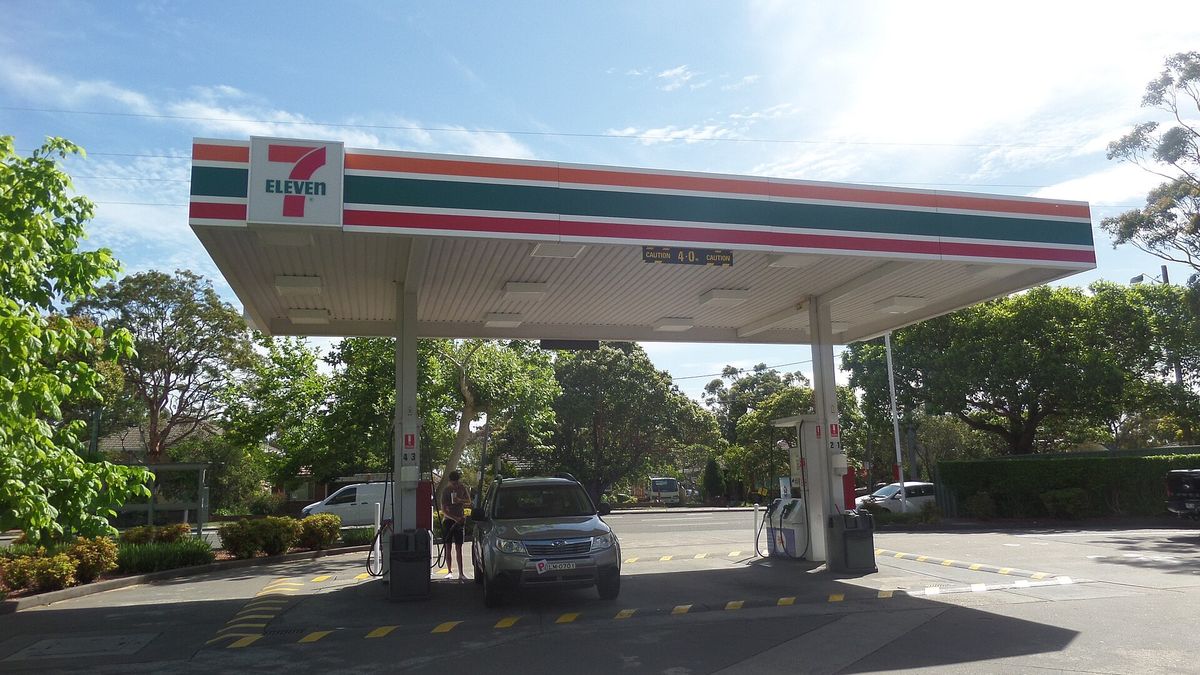
- Electricity prices rose 25.2% over the year as federal rebates ended, and automotive fuel rose 32.5%, including 6.3% in October alone, according to the ABS.
- The Reserve Bank of Australia raised its cash rate to 4.85% on Nov. 3 in a 6-3 vote, its fifth increase of 2026, and meets next on Dec. 7 and 8.
Australia's inflation figure for October looks alarming at first glance. Consumer prices rose 4.9% from a year earlier, up from 4.3% in September, the Australian Bureau of Statistics said on Wednesday. That is the kind of number that tempts a central bank to reach for one more hike.
The Reserve Bank of Australia should resist. When its board meets on Dec. 7 and 8, it should leave the cash rate at 4.85%, say plainly that it is not finished judging the data, and keep a February increase on the table.
A spike the bank saw coming
Much of October's jump came from two familiar sources. Electricity prices rose 25.2% over the year, which the ABS attributed largely to the end of federal government power rebates. Automotive fuel rose 32.5% from a year earlier and 6.3% in October alone, which the statistics office linked to higher world oil prices.
The board saw at least the power effect coming. Minutes of its Nov. 2-3 meeting show staff warned that headline inflation would likely be "significantly higher in October than in September" as last year's household subsidies dropped out of the annual comparison. A rebate that ends lifts the price level once. It does not, by itself, set off a wage-price spiral, and raising borrowing costs for every mortgage holder in the country will not bring down the price of crude oil.
The board has also already done a great deal. The Nov. 3 increase was its fifth this year and took the cash rate to its highest since 2008, according to investingLive. RBA official David Jacobs has described financial conditions as restrictive, Investing.com reported. Much of that tightening has yet to reach household budgets in full.
The labor market is turning
The stronger argument for a pause is unemployment. The jobless rate rose to 4.9% in October, the Australian Bureau of Statistics said on Nov. 19. In its November forecasts, the RBA expected unemployment to reach 4.7% by December and 5.1% by the end of 2028, Market Index reported. The economy has reached the bank's year-end forecast early and gone past it, and investingLive reported that the bank now puts the jobless rate consistent with stable inflation at about 4.75%.
Three of the nine board members already wanted to hold in November. The minutes say they wanted more time to judge the effect of the 100 basis points of tightening delivered before that meeting and worried the economy might be nearing a much sharper downturn. October's jobs figures give that minority more weight, not less. Rising unemployment is the channel through which tight policy cools wage growth; the board should let it work rather than add to it before the effects are visible. Australian savers have already seen banks lift deposit rates after the November move, and mortgage holders are feeling the other side of that trade.
The strongest case for hiking
The best argument against a pause sits in the underlying figures, and it should not be dismissed. The trimmed mean, the RBA's preferred gauge, rose to 3.8% from 3.6%, well above the 2% to 3% target band. It climbed 0.5% in October alone, against a forecast of 0.3%, investingLive reported. The minutes record the majority's judgment that forward-looking price pressures had increased and that the risks to inflation still pointed up. If households and businesses come to expect 4% inflation, the eventual cost of squeezing it out will be far higher.
That is a reason for vigilance, not for a December move. One month of core data is noisy, and two more monthly price reports arrive before the board's Feb. 9 meeting. The bank's November forecasts already assumed about 35 basis points of further tightening by mid-2027, in line with market pricing. A hold in December gives up little: if the November and December figures confirm that core inflation is broadening beyond fuel and power, the board can act in February with stronger evidence and a clearer case to the public.
For investors across Asia who hold Australian bonds or trade the Australian dollar, the RBA's choice matters beyond its borders. Oil has pushed up prices across the region, and central banks have rightly set their own course rather than move in step. The RBA can show how to treat an energy shock: respond firmly to what spreads into wages and services, and look through what will fall out of the annual numbers on its own. Holding in December, with a clear warning attached, does both.
Sources
- Australian Bureau of Statistics: Consumer Price Index, Australia, October 2026 (Nov. 25, 2026)
- Reserve Bank of Australia: Minutes of the Monetary Policy Meeting of the Reserve Bank Board, 2-3 November 2026 (Nov. 17, 2026)
- investingLive: Australia trimmed mean CPI jumps to 3.8% in October, keeping further RBA hike risk alive (Nov. 25, 2026)
- investingLive: More: RBA lifts cash rate to 4.85% in split 6-3 vote, sees inflation above 3% until late 2027 (Nov. 3, 2026)
- Market Index: RBA hikes interest rate to 4.85%, but a split vote hints the end may be near (Nov. 3, 2026)
- Commonwealth Bank of Australia: Higher petrol prices pushing up inflation (Nov. 19, 2026)
- Australian Bureau of Statistics: Unemployment rate rises to 4.9% (Nov. 19, 2026)
- Investing.com: Asian stocks slide as Taiwan, South Korea extend AI-led losses (Nov. 25, 2026)
Our standards: Capital Times reports under the principles set out in our Editorial Standards and Ethics Policy. Spotted an error? Report it to our editors.