Services Prices Are Rising at a 1990 Pace. The BOJ Should Hike to 1.5% in December
Japan's economy shrank last quarter, but services inflation of 4.2%, a negative real rate and a yen near 160 make a strong case for a third hike this year.
The argument
- Japan's services producer price index rose 4.2% from a year earlier in October, above a 3.6% consensus and the fastest since March 1990.
- Core consumer inflation rose to 2.2% in October, above the Bank of Japan's 2% target for a second month, while the policy rate sits at 1.25%.
- In a Reuters poll, 61 of 71 economists expected the BOJ to raise its rate to 1.50% at its Dec. 17-18 meeting.
The prices Japanese companies charge one another for services rose 4.2% in October from a year earlier, according to Bank of Japan data released this week. Economists had expected 3.6%. It was the fastest pace since March 1990, Trading Economics noted, driven by labor costs and by transport and fuel bills tied to geopolitical tension.
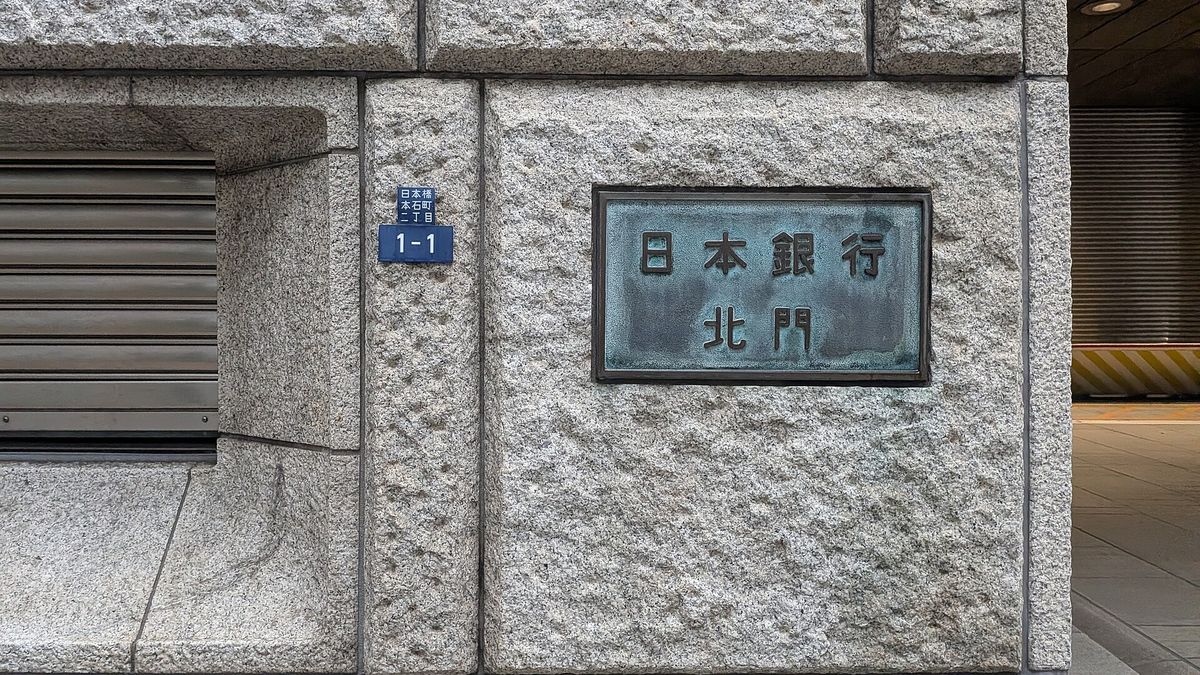
That number should settle the argument inside the BOJ. When its policy board meets on Dec. 17 and 18, it should raise the overnight call rate by a quarter point to 1.50%, its third increase of 2026.
The price data all point one way
Services inflation is one of the measures the BOJ watches most closely, because it tracks wages more than imported oil. It is no longer only a services story. Core consumer prices rose 2.2% in October, up from 2.1% in September and above the 2% target for a second straight month, and headline inflation reached 2.3%, according to Trading Economics. Wholesale prices rose 7.1% in October, Reuters reported, and the yen-based import price index rose 24.8%.
Against that, a policy rate of 1.25% is still well below inflation. Subtract core inflation and the real rate is close to minus 1%. Governor Kazuo Ueda made the point himself in parliament on Nov. 18, noting that financial conditions remain accommodative. “It would be appropriate to continue raising the policy rate,” he said, according to The Standard.
Markets and forecasters agree. In a Reuters poll taken Nov. 11 to 18, 61 of 71 economists expected a December hike to 1.50%, investingLive reported, and nearly 60% expected another move to 1.75% by the end of March. Capital Times has laid out the board's debate over how far rates should eventually go.
The yen cannot be defended with reserves alone
The second reason is the currency. The yen is near 160 per dollar even though Tokyo has spent close to $100 billion of reserves defending it, according to the Reuters poll report, and the Federal Reserve is expected to raise rates again in December. A weak yen pushes up the cost of energy and food imports, which feeds straight back into the inflation the BOJ is trying to contain. Ueda told senators on Nov. 19 that a weak yen could lift the prices businesses charge for many goods, Jiji Press reported.
Intervention buys time. It does not change the interest rate gap that drives money out of yen. A December hike would not close that gap, but skipping it would widen it at the worst moment and invite more pressure on the currency.
The case for waiting, and why it falls short
The strongest argument against a hike is the real economy. Gross domestic product shrank in July to September, the first contraction in a year, and private consumption fell 0.3%, Reuters reported. Board member Toichiro Asada has urged caution on timing, citing weak household spending and arguing that recent price rises are not necessarily driven by demand, according to Trading Economics. Ueda himself has said pensioners may cut spending when wages rise for workers but not for them. Add a Nikkei 225 that fell about 7% this month on doubts about AI spending, and the argument for patience is not frivolous.
We think it is outweighed. Capital Times reported on the GDP data at the time: business investment rose 1.6%, and Reuters tied part of the spending drop to heavy rain and typhoons. Wage growth remains strong, with economists in the Reuters poll expecting next spring's pay talks to deliver about 5%, close to this year's 5.01%. And 83% of respondents said market volatility would not derail a December move.
Most important, a quarter-point hike to 1.50% would still leave policy loose. Households squeezed by rising prices are hurt more by a weak currency and persistent inflation than by a policy rate that remains below inflation. The government's planned cut to the consumption tax on food, which Ueda said would likely support spending, will cushion them further.
The risk of waiting is the one the BOJ spent a decade fearing in reverse: falling behind. Services inflation at a 36-year high is the clearest sign yet that the price-setting habits of Japanese companies have changed. The BOJ declared in October that it had met its 2% goal. Its job now is to keep inflation there, and that means raising rates on Dec. 18.
Sources
- Trading Economics: Japan Services Producer Price Index YoY (Nov. 25, 2026)
- Bank of Japan: Corporate Goods Price Index and Services Producer Price Index releases (Nov. 25, 2026)
- Trading Economics: Japan 10-Year Yield news stream (Nov. 25, 2026)
- investingLive: BOJ tipped to hike to 1.50% in December, its first three-hike year in 37 years (Nov. 19, 2026)
- The Standard: Bank of Japan governor says central bank should keep raising rates (Nov. 18, 2026)
- The Nation (Jiji Press): Japan's central bank plans to continue raising interest rates (Nov. 19, 2026)
- New Straits Times (Reuters): Japan wholesale inflation accelerates, keeps alive BOJ rate-hike view (Nov. 12, 2026)
- The Star (Reuters): Japan's economy unexpectedly shrinks in July-September as consumption falters (Nov. 16, 2026)
- investingLive: Japan core inflation tops BoJ's 2% target for first time since December, yen firms (Oct. 23, 2026)
Our standards: Capital Times reports under the principles set out in our Editorial Standards and Ethics Policy. Spotted an error? Report it to our editors.