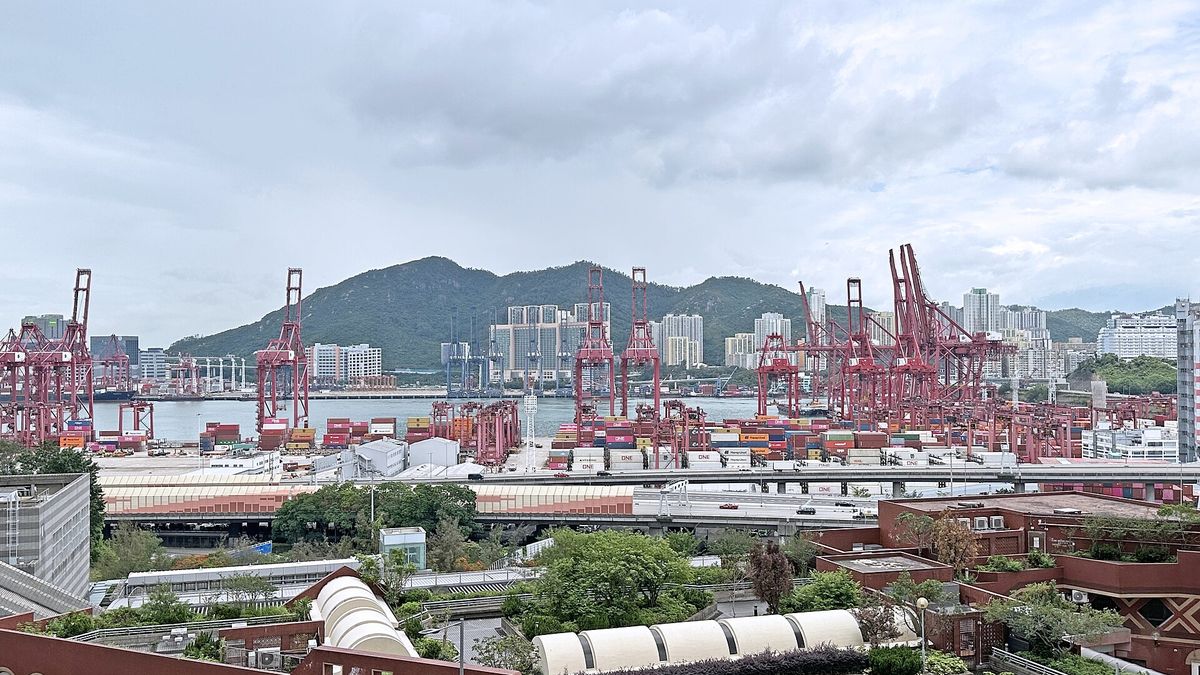
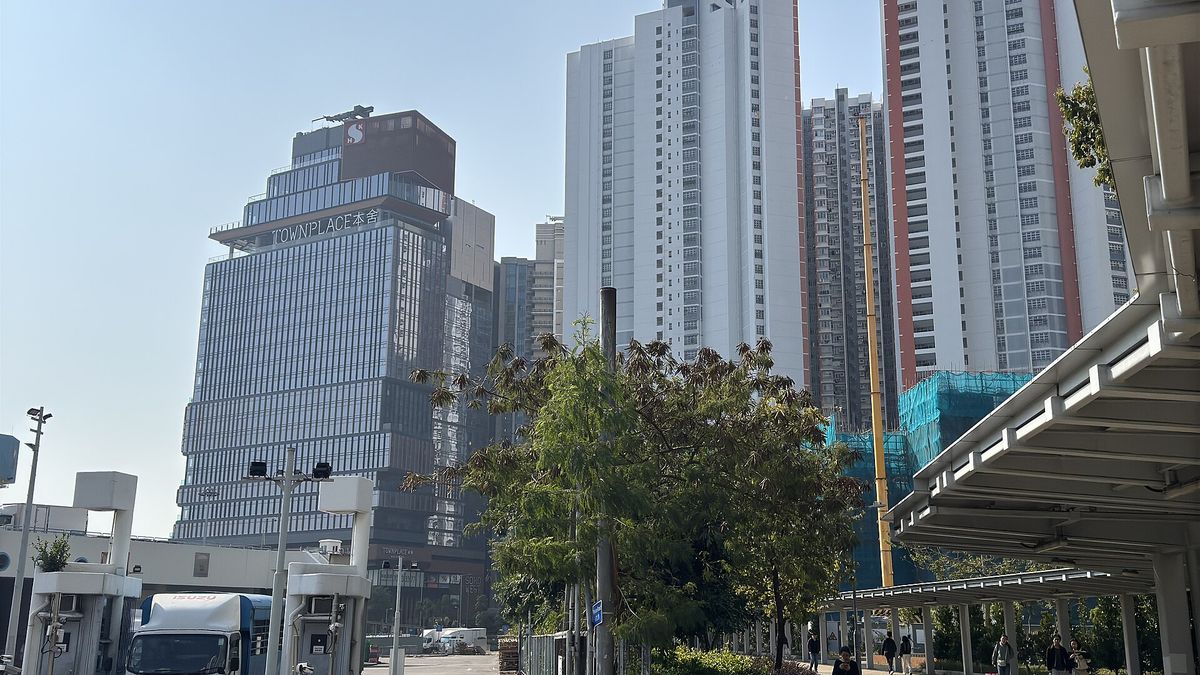
Hong Kong Sets Early 2027 Launch for Gold Clearing System Tested by 11 Banks
The government plans to link the system to the city's payment rails for delivery versus payment and is working on standards with the London Bullion Market Association.
What to know
- Hong Kong's gold central clearing and settlement system, in trial operation with 11 banks since July, will be officially launched in the first quarter of 2027, the government said on Wednesday.
- Before launch the system will be connected to the Real Time Gross Settlement system so gold and cash can settle as delivery versus payment.
- Secretary for Financial Services and the Treasury Christopher Hui said the HKMA is moving ahead with plans to moderately increase the Exchange Fund's gold holdings.
HONG KONG
Hong Kong will formally launch its central clearing and settlement system for gold in the first quarter of 2027, after a trial that has run with 11 banks as provisional direct participants since July, the government said on Wednesday.
The timetable matters for banks, refiners and wealth managers in Asia that hold or trade bullion through Hong Kong. A government-run clearing system with direct links to the city's payment rails and to Shanghai would give the city infrastructure it has lacked for an over-the-counter market long dominated by London, and could pull more storage and trading business to local vaults.
In a written reply to a lawmaker's question in the Legislative Council, Secretary for Financial Services and the Treasury Christopher Hui said market response to the trial had been positive. Before the official launch, he said, the system will be connected to the Real Time Gross Settlement system so that gold and Hong Kong cash can settle simultaneously on a delivery versus payment basis. The government is also exploring cooperation with the London Bullion Market Association on delivery standards.
How the Hong Kong gold clearing system works
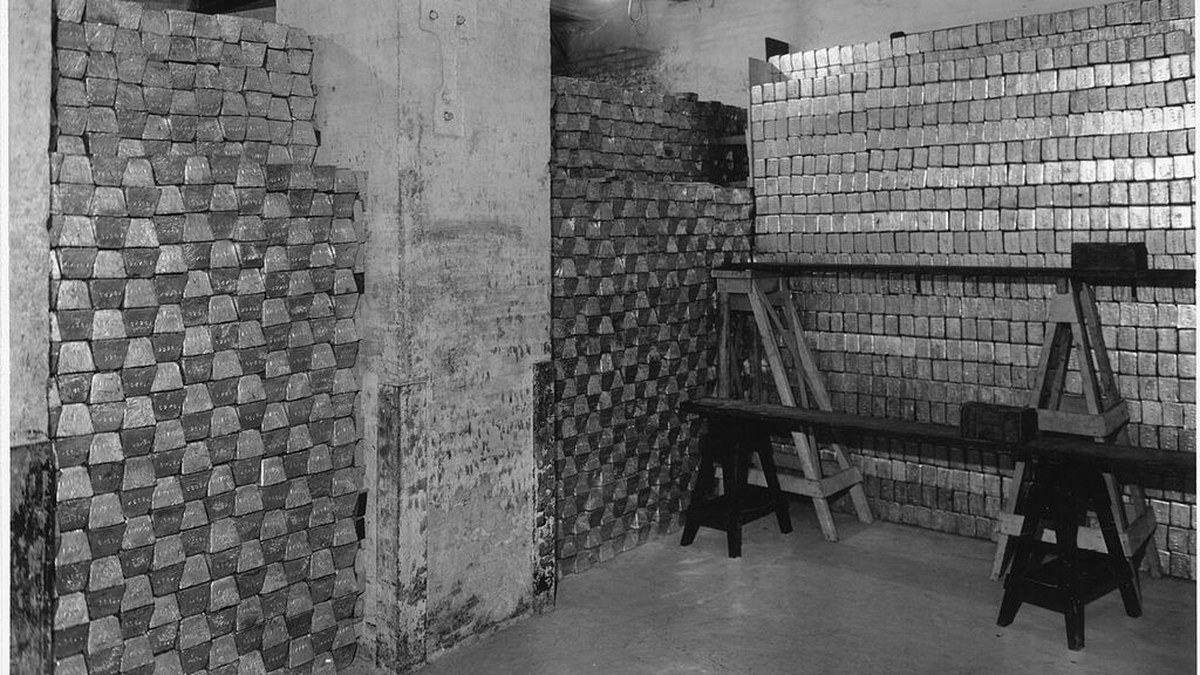
The system is run by the Hong Kong Precious Metals Central Clearing Company, which is wholly owned by the government. It clears bilateral and over-the-counter trades in gold under a clearing rulebook, keeps a central ledger of settlements and participating banks' balances, and links to designated vaults that record physical deposits and withdrawals, according to a government announcement when the trial began on July 7. Gold is held on an unallocated, commingled basis, and the eligible product is the roughly 400-troy-ounce bar that meets international standards.
The first deposits and settlements in July involved several banks and their clients, including mining companies, refiners and jewelers, The Standard reported at the time. The first phase of Delivery Connect, built with the Shanghai Gold Exchange, began on the same day with three banks taking part. It lets participants use gold holdings to settle trades in both the Hong Kong and Shanghai markets.
Chief Executive John Lee repeated the early-2027 target in a speech to the British Chamber of Commerce on Tuesday. He told the audience that "there's gold in the Five-Year Plan, too," and said work to align with London Bullion Market Association standards is underway.
The push comes as bullion swings sharply. Prices jumped back above $4,000 an ounce on Nov. 4 as the dollar slid.
HKMA gold holdings and tax changes
Hui also gave an update on a 2026 Policy Address pledge that the Hong Kong Monetary Authority would explore adding to the Exchange Fund's gold holdings. He said the HKMA is actively taking forward plans to "moderately increase its gold holdings" and to take part in Hong Kong's spot and futures markets. The authority plans to move its existing physical gold over time into vaults appointed by the clearing company. Hui said the HKMA would not give details of specific investments or disclose the fund's allocation, and he did not set a target amount.
On tax, a bill before the Legislative Council would widen the preferential regimes for funds and single family offices so that qualifying investments include precious metals. Hui said the government expects the Second Reading debate to resume within this year. If passed, the changes would apply from the 2025/26 year of assessment.
The lawmaker had also asked whether physical gold could count toward the investment threshold of the New Capital Investment Entrant Scheme. Hui did not commit to that change, saying only that the government will keep the scheme's permissible assets under review.
Role of the Hong Kong Gold Exchange
The question also covered the Hong Kong Gold Exchange, the self-regulated body formerly known as the Chinese Gold and Silver Exchange Society, which was founded in 1910 and was corporatized and renamed in 2025. Hui said the government keeps in contact with the exchange on governance and member supervision but did not promise direct support for its modernization.
Instead, the Financial Services and the Treasury Bureau is helping a preparatory group design a new industry association for gold, including its membership rules and funding. The government says that body would gather views from across the gold trading chain, including the exchange.
Other pieces of the plan announced in July are still being built. They include more storage and refining capacity, a new yuan-denominated gold futures contract with delivery support from the Shanghai Gold Exchange, the HAU price ticker launched with Bloomberg, and more room for Mandatory Provident Fund schemes to invest in gold exchange-traded funds.
The next markers are the resumed Legislative Council debate on the fund tax bill before year-end and the connection to the Real Time Gross Settlement system, which must be in place before the clearing system goes live in the first quarter of 2027.
Sources
- Hong Kong SAR Government: LCQ14: Building international gold trading market (Nov. 11, 2026)
- Hong Kong SAR Government: Speech by CE at BritCham Summit 2026 (Nov. 10, 2026)
- news.gov.hk: HK launches gold clearing system (July 7, 2026)
- The Standard: Hong Kong launches central gold clearing system boosting world's gold hub status (July 7, 2026)
Our standards: Capital Times reports under the principles set out in our Editorial Standards and Ethics Policy. Spotted an error? Report it to our editors.