Colombia's Central Bank Holds Rate at 12.25% in 4-3 Vote as Inflation Sticks at 6.3%
Three of Banco de la República's seven directors wanted another quarter-point increase, and the board also approved a $2 billion dollar purchase from the government to build reserves.
What to know
- Banco de la República kept its policy rate at 12.25% on Oct. 30, with four directors voting to hold and three for a 25-basis-point increase.
- Colombia's annual inflation edged up to 6.3% in September, while analysts expect 6.9% by December 2026, against the bank's 3% target.
- The board also authorized the purchase of $2 billion directly from the national government before the end of 2026 to add to international reserves.
BOGOTA
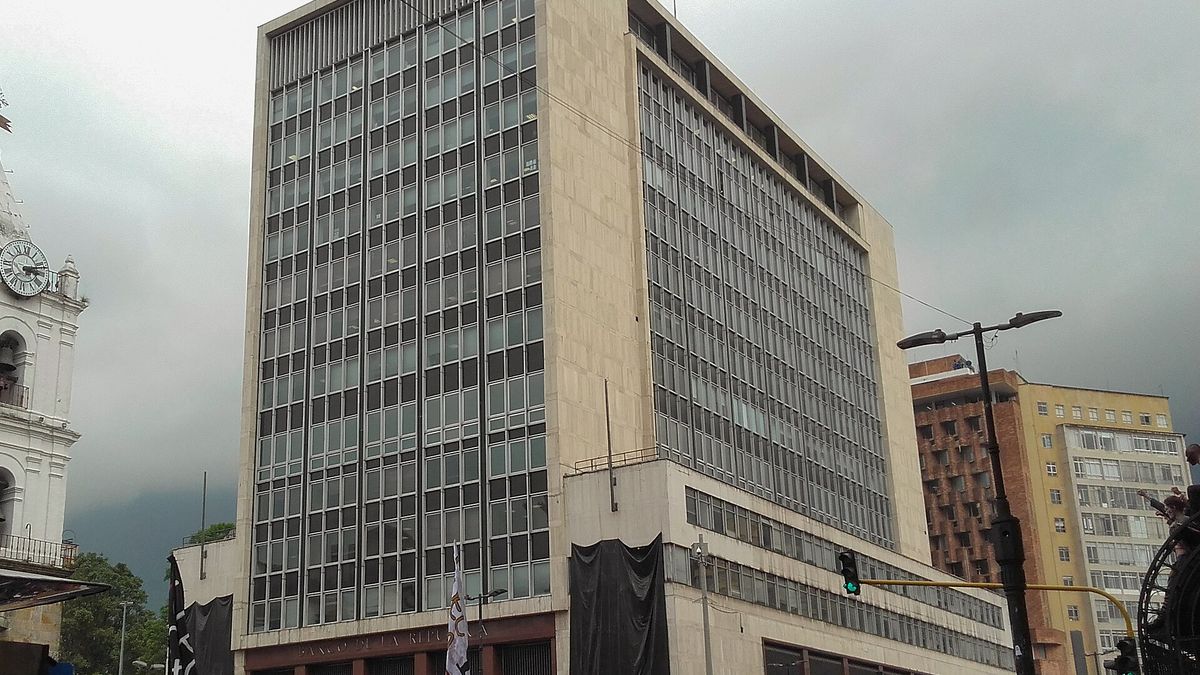
Colombia's central bank left its benchmark interest rate at 12.25% on Friday, Oct. 30, but the decision was close: four of the seven directors of Banco de la República voted to hold, and three wanted a further 25-basis-point increase, the bank said in its statement.
The split keeps a hike on the table for coming meetings. For investors in Asia who hold emerging-market local debt or follow the region's carry trades, the vote is a signal that Bogota is still leaning toward tighter money, not relief. The board said its stance remains restrictive and that further moves will depend on incoming data.
Banco de la República sees inflation easing only in 2027
The central bank raised the rate by a quarter point to 12.25% from 12% at its previous meeting on Sept. 30, Portafolio reported at the time.
Inflation has not come down since. Annual consumer price growth edged up to 6.3% in September, slightly below what markets expected, the bank said. Core inflation, which strips out food and regulated prices, eased to 6.0% from 6.1% in August. Both readings are about double the bank's 3% target.
Expectations are moving the wrong way. Economists surveyed by the bank raised their forecast for December 2026 inflation slightly to 6.9%, while their two-year view stayed near 4.0%. Inflation expectations implied by government bond prices rose at short horizons and sit above 3% at every maturity, the statement said.
The board also flagged the weather. The El Niño phenomenon poses a significant upside risk to food prices and regulated items such as utility tariffs, it said. Its stated aim is to bring inflation down during 2027, not this year.
Leonardo Villar, the bank's governor, announced the vote, Portafolio reported. He said that keeping the rate at 12.25% amounts to continuing a restrictive policy, according to El País of Cali. Neither the statement nor local press coverage said how individual directors voted or why.
Growth slows as the fiscal outlook weighs on policy
The case for holding rests partly on a weakening economy. The board estimated that annual growth slowed in the third quarter from the second, with consumption by both households and the public sector cooling. The August reading of the bank's Economic Monitoring Indicator (ISE), along with manufacturing and retail surveys, showed weak performance across sectors, it said.
Public finances took a prominent place in the statement. The board called the evolution of the government's accounts a key factor for future economic performance and for its own effort to bring inflation back to target. It singled out the government's Economic Recovery Bill, sent to Congress on Oct. 29, the day before the meeting, and said the bill needs a rigorous review. Portafolio, the Bogota business daily, reported that the bank gave no estimate of what the bill would mean for inflation or interest rates.
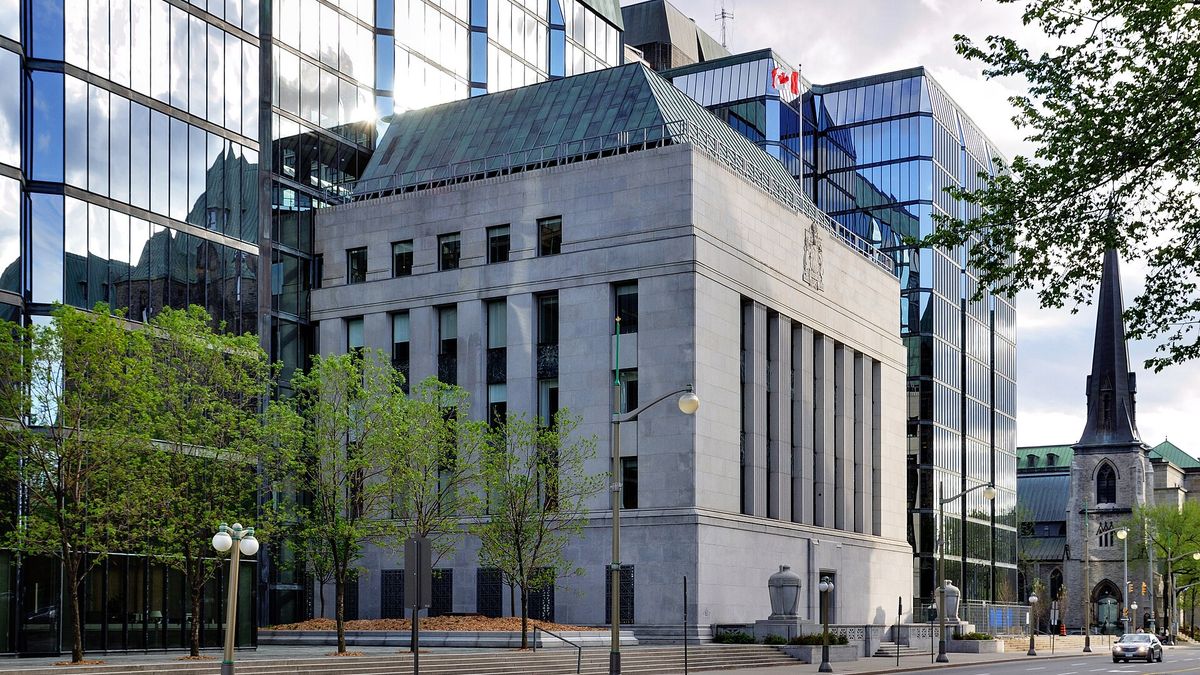
Colombia is not the only economy in the Americas where central banks are leaning hawkish. The Bank of Canada raised its policy rate to 2.5% on Oct. 28, its first increase since 2023, as energy costs fed through to prices.
A $2 billion dollar purchase to bolster reserves
Less than an hour after the rate statement, the board announced a separate step. It authorized the bank to buy $2 billion directly from the national government, through the Finance Ministry's public credit and treasury directorate, during the rest of 2026. The trades will be done at the official representative market exchange rate (TRM) on each transaction date.
The bank said the decision assumes the government has dollars available to sell. It cited heightened international uncertainty, high global interest rates and tight financial conditions as reasons to hold more reserves against possible bouts of external instability.
The purchase adds to a reserve accumulation program the bank has run since August 2026, which will continue on the terms and schedule already announced, the bank said. Because buying dollars injects pesos into the banking system, the bank said it had sized the deal with that liquidity effect in mind and that offsetting measures would be needed so short-term market rates stay in line with the 12.25% policy rate.
For foreign holders of Colombian peso bonds, the two announcements point in the same direction: a central bank still focused on inflation and on its external buffers, with a three-vote bloc already pushing for more tightening.
The next clues come soon. Banco de la República's calendar lists the publication of its quarterly Monetary Policy Report, the minutes of the Oct. 30 meeting and a presentation of the report as the next steps after this meeting. The minutes are the first chance to see why three directors wanted a higher rate.
Sources
- Banco de la República: The Board of Directors of Banco de la República decided by majority vote to keep the monetary policy interest rate unchanged at 12.25% (Oct. 30, 2026)
- Banco de la República: The Board of Directors authorized Banco de la República to purchase USD 2 billion directly from the National Government (Oct. 30, 2026)
- Portafolio: Banco de la República decidió mantener estable la tasa de interés en 12,25 % (Oct. 30, 2026)
- El País (Cali): Banco de la República mantuvo estable la tasa de interés en 12,25 % (Oct. 30, 2026)
- Portafolio: Banco de la República: los detalles del inesperado aumento de 25 puntos en la tasa en la junta de septiembre (Oct. 7, 2026)
Our standards: Capital Times reports under the principles set out in our Editorial Standards and Ethics Policy. Spotted an error? Report it to our editors.