Australian Super Funds Up Just 0.8% in FY27 as RBA Hike to 4.85% Tests A$4.8 Trillion Pool
A falling currency softened September's loss for growth funds. With the cash rate at an 18-year high, bonds and the Australian dollar now carry more of the load.
What to know
- Chant West's median growth super fund fell 0.4% in September, leaving it up 0.8% over the first three months of FY27.
- The Reserve Bank of Australia raised its cash rate 25 basis points to 4.85% on Nov. 3 and pushed back its forecast for inflation to return to target.
- Total Australian superannuation assets reached A$4.8 trillion at June 30, up 9.5% from a year earlier, according to APRA.
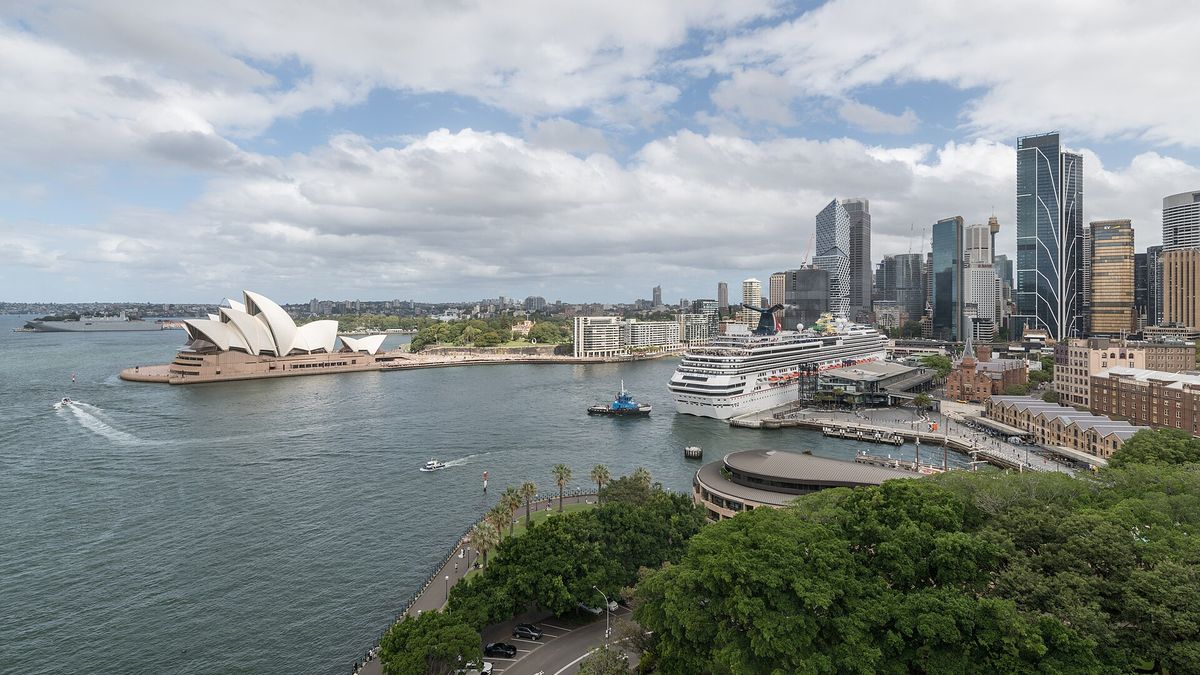
SYDNEY
Australia's typical superannuation fund has made just 0.8% in the first three months of the 2026-27 financial year, according to research house Chant West, and the Reserve Bank of Australia's decision on Nov. 3 to lift its cash rate to 4.85% makes the next leg harder for funds that hold both shares and bonds.
The figures matter well beyond Australia. The country's retirement system held A$4.8 trillion at the end of June, according to the Australian Prudential Regulation Authority (APRA). Funds hold a large share of their portfolios offshore, so their returns depend on global markets and on the Australian dollar as much as on local rates.
Chant West data: a weak September, cushioned by the currency
Chant West's median growth fund, which holds 61% to 80% in growth assets, lost 0.4% in September. That trimmed its return for the financial year that began July 1 to 0.8%. The figures are net of investment fees and tax but before administration fees.
Chant West said Australian shares fell 2.4% in the month and developed-market international shares lost 0.7% in currency-hedged terms. Bonds gave little protection as yields rose: Australian bonds fell 0.9% and international bonds 1.7%.
What limited the damage was the Australian dollar. It slid from 72 U.S. cents to 69 U.S. cents during September, the firm said, which turned the hedged loss on international shares into a gain of 1.9% for unhedged holdings. Super funds keep about 70% of their international shares unhedged on average, according to Chant West. Emerging-market shares rose 2.4%, and unlisted assets also helped.
Head of superannuation investment research Mano Mohankumar called September "a challenging month for investment markets," citing rising bond yields, higher oil prices and sticky inflation.
Over 12 months, the median growth fund returned 6.3%, and 10.0% a year over three years. Riskier options did better on both counts: the median "all growth" fund returned 7.7% over a year and 13.6% a year over three. Conservative options, with 21% to 40% in growth assets, returned 3.8% over the year.
RBA hike adds pressure on the bond side
The rate decision changes the arithmetic for the defensive part of these portfolios. The RBA's Monetary Policy Board raised the cash rate target by 25 basis points to 4.85%, saying inflation was broadly based and that its staff forecasts had been revised "materially higher." The bank now expects inflation to stay elevated through much of 2027 and not to reach the top of its 2% to 3% target band until late 2027, about three quarters later than it previously forecast.
It also said the economy was slowing, housing prices had fallen significantly and unemployment had risen. Capital Times reported this week that Australian bond yields fell after the split vote after three of nine board members voted to hold.
For super members, higher rates cut both ways. Rising yields mark down the value of bonds that funds already own, which is what hurt balanced and conservative options in September. They also lift the income on new fixed-income and cash holdings, which favors members close to or in retirement who hold more defensive assets. Members with cash outside super face a similar choice; Capital Times has compared term deposits and government bonds after the RBA's moves.
The currency is the other variable. A weaker Australian dollar helped in September because so much of the funds' offshore equity is unhedged. If higher local rates support the currency, that cushion works in reverse, and unhedged international returns translated back into Australian dollars shrink.
APRA data: money keeps flowing in
None of this has slowed the cash coming into the system. APRA said total contributions rose 12.8% to A$236.3 billion in the year to June 2026, with employer contributions up 9.5% to A$164.4 billion and member contributions up 21.0% to A$71.9 billion. Benefit payments rose 12.1% to A$148.2 billion, as lump sums and pension payments both increased.
Net contribution flows reached A$77.7 billion, up 9.6% from a year earlier. Assets in APRA-regulated funds rose 11.9% to A$3.4 trillion, while self-managed super funds grew 3.6% to A$1.1 trillion.
Chant West pointed to the long record. Since compulsory super began in July 1992, the median growth fund has returned 8% a year against annual inflation of 2.7%, a real return of 5.3% a year, it said, above the typical target of inflation plus 3.5%. Over the past 20 years, which include the global financial crisis, the pandemic and the 2022 rate shock, the return has been 6.7% a year.
The next readings come soon. Chant West's October figures are due later this month, and APRA's quarterly statistics for the September 2026 quarter are scheduled for November, the regulator's website shows. Those will be the first official figures covering the whole September quarter.
Sources
- Chant West: Super funds down slightly in September (media release, 19 October 2026) (Oct. 19, 2026)
- Chant West: Super funds down slightly in September (Oct. 19, 2026)
- Reserve Bank of Australia: Statement by the Monetary Policy Board: Monetary Policy Decision (Nov. 3, 2026)
- Australian Prudential Regulation Authority: APRA releases superannuation statistics for June 2026 (Aug. 31, 2026)
- Australian Prudential Regulation Authority: Quarterly superannuation statistics (Aug. 31, 2026)
Our standards: Capital Times reports under the principles set out in our Editorial Standards and Ethics Policy. Spotted an error? Report it to our editors.