Malaysia Airlines Parent Picks Boeing 787-10 to Replace Its Airbus A350 Fleet
The 10-jet commitment, with deliveries from 2032, swaps seven A350s for a larger Dreamliner fleet as the group plans to grow to 129 aircraft.
What to know
- Malaysia Aviation Group signed a commitment on Nov. 25 for 10 Boeing 787-10 Dreamliners with options for six more, with deliveries scheduled from 2032 to 2035.
- The jets, configured with 319 seats in three classes, will replace the group's seven Airbus A350-900s, which the CEO said will be about 13 to 15 years old by 2032.
- MAG did not disclose the deal's value and is weighing operating or finance leases, while it expects its fleet to grow to 129 aircraft by 2035 from 101 today.
KUALA LUMPUR
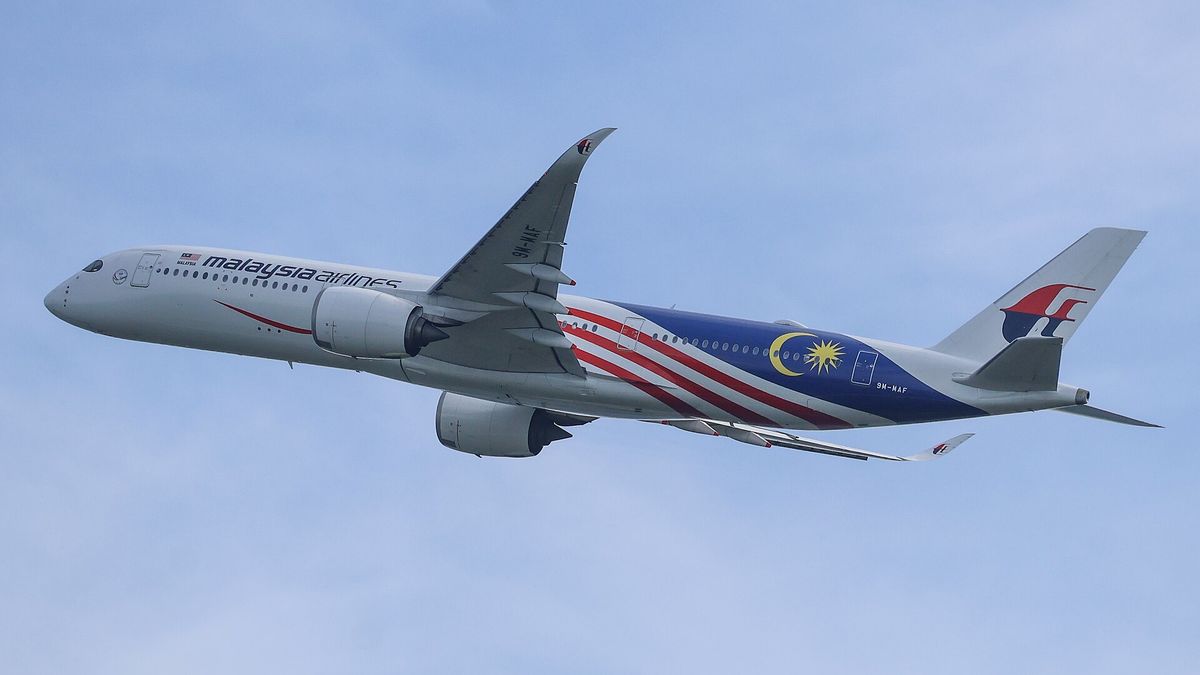
Malaysia Airlines will switch its flagship long-haul jet from Airbus to Boeing. Its parent, Malaysia Aviation Group (MAG), signed a commitment on Nov. 25 for 10 Boeing 787-10 Dreamliners, with options for six more, to replace its seven Airbus A350-900s.
Deliveries are scheduled from 2032 to 2035, MAG said. The group did not disclose the value of the deal. Group CEO Nasaruddin A. Bakar told Reuters that MAG is still weighing how to pay for the aircraft, with an operating lease or a finance lease among the options.
Boeing described the agreement as "a commitment rather than a firm order" for now, Reuters reported, so the final contract could still change. Malaysian outlets, citing MAG's statement, called it an acquisition directly from Boeing. The deal was signed at a ceremony in Kuala Lumpur attended by Prime Minister Anwar Ibrahim and representatives of Boeing, GE Aerospace and the state investor Khazanah Nasional, according to Malay Mail.
Once the jets arrive, Malaysia Airlines would become the first Malaysian carrier to fly the Dreamliner.
What changes for passengers
MAG plans to fit the 787-10s with 319 seats across three cabin classes and power them with GE Aerospace GEnx-1B engines. It has not said how the seats will be split between cabins.
The group named London, Paris, Sydney, Melbourne, Tokyo, Osaka and Seoul as markets the new jets could serve, though it said the final network will depend on future planning. Nasaruddin said in MAG's statement that "these aircraft will strengthen our ability to serve key international markets," Malay Mail reported.
The 787-10 is the largest member of the Dreamliner family, but it also has the shortest range of any 787 version, aviation blog One Mile at a Time noted. The blog said all of the airline's routes appear to fall within its reach, while nonstop London service may sit close to the limit depending on airspace and seat count.
The swap also adds seats. Ten 787-10s would be three more widebodies than the current A350 fleet, and taking up all six options would mean nine more long-haul aircraft than today, Aerospace Global News calculated.
Why MAG is moving away from the A350
The A350s will be roughly 13 to 15 years old when the first 787 lands in 2032, Nasaruddin told Reuters. He said MAG picked the Dreamliner after weighing network planning, the customer product, engines and fuel efficiency. The airline will retire the A350s gradually over the four-year delivery window, Aerospace Global News reported.
Airbus is not leaving Malaysia Airlines' fleet. The carrier committed to 20 Airbus A330neos in 2022 and Airbus announced a firm order for 20 more in July 2025, taking the planned A330neo fleet to 40, according to Aerospace Global News. One Mile at a Time counted 11 A330-900s in service and 29 still to come, and the blog expects them to replace the carrier's 16 older A330s over the coming years.
On the narrowbody side, Malaysia Airlines already flies Boeing 737s. Its order book stands at 55 Boeing 737s, made up of 43 737-8s and 12 737-10s, with the remaining jets due by 2030, according to the group's statement as reported by Malay Mail. Malaysia also said last year that it would buy 30 Boeing 737 MAX jets, with options for 30 more, as part of a trade deal between Anwar and U.S. President Donald Trump, Reuters noted.
Boeing has its own stake in the country: it runs a composites plant in Malaysia, its first wholly owned factory in Southeast Asia, which supplies parts for the 787, Aerospace Global News said.
Fuel costs and the road to 2032
The order comes in a hard year for the group's cost base. MAG cut about 6% of its 2026 capacity, or roughly 8,000 to 9,000 flights, to manage higher jet fuel prices linked to the conflict in the Middle East, Reuters reported. Nasaruddin said earlier in November that the group plans to raise capacity by about 8% next year.
Fuel has squeezed carriers across the region. Our coverage of Qantas's fuel bill and domestic flight cuts and first-half results at ANA and JAL showed how quickly higher prices reach both margins and timetables.
MAG expects to run 129 aircraft across its airlines in 2035, up from 101 today, including budget carrier Firefly and cargo arm MASKargo, according to Reuters. The group also renewed agreements for GE's Fuel Insight and FlightPulse software, Asian Aviation reported.
Boeing's order book in Asia had a busy week. The Malaysian deal came a day after China Southern Airlines said its Xiamen Airlines unit agreed to buy 50 Boeing 737 MAX 8s at a list price of about US$7.4 billion, which Reuters called Boeing's largest Chinese deal in nearly a decade.
The next steps to watch are whether MAG turns the commitment into a firm order, how it finances the jets, and whether it confirms London as a 787-10 route. For travelers, nothing changes soon: the first Dreamliner is not due until 2032.
Sources
- Reuters (via Investing.com): Malaysia Airlines parent to order 10 Boeing 787 Dreamliners (Nov. 25, 2026)
- Malay Mail: Malaysia Airlines bets on Boeing with 10 Dreamliners, plans Airbus A350 phase-out (Nov. 25, 2026)
- Aerospace Global News: Malaysia Airlines commits to 10 Boeing 787-10s with six options (Nov. 25, 2026)
- Asian Aviation: Malaysia Aviation Group acquires 10 Boeing 787 Dreamliners (Nov. 25, 2026)
- One Mile at a Time: Malaysia Airlines Orders Up To 16 Boeing 787-10s, Deliveries Start 2032 (Nov. 25, 2026)
Our standards: Capital Times reports under the principles set out in our Editorial Standards and Ethics Policy. Spotted an error? Report it to our editors.